THE ADVENTURE COLLECTIVE® · Independent discovery and booking for outdoor travel

Cut through Destin Harbor into the Gulf on a private hydrojet cruise that chases dolphins, skirts Crab Island sandbars, and offers a brisk one-hour marine safari. Fast, social, and photo-ready—this tour pairs sighting chances with practical check-in and safety details.
Cut through Destin Harbor into the Gulf on a private hydrojet cruise that chases dolphins, skirts Crab Island sandbars, and offers a brisk one-hour marine safari. Fast, social, and photo-ready—this tour pairs sighting chances with practical check-in and safety details.
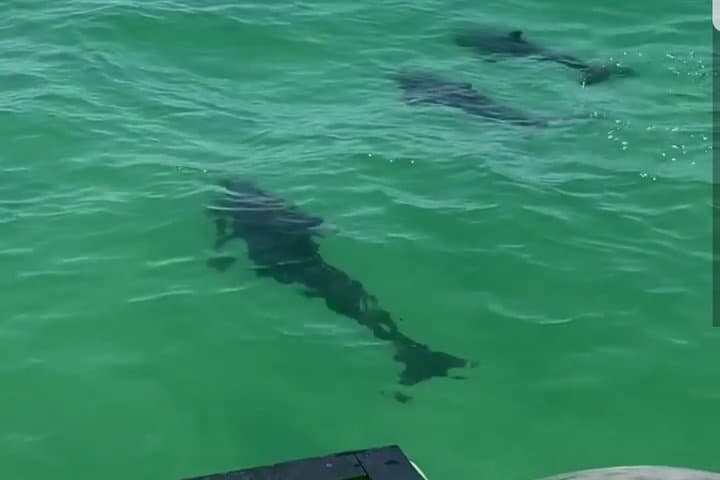
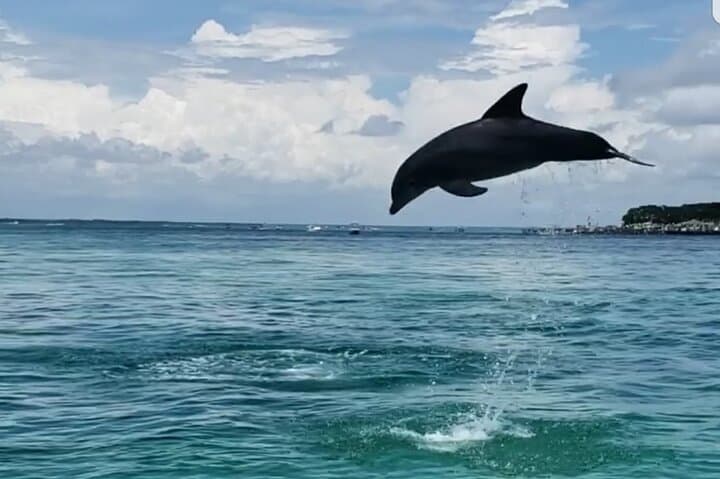
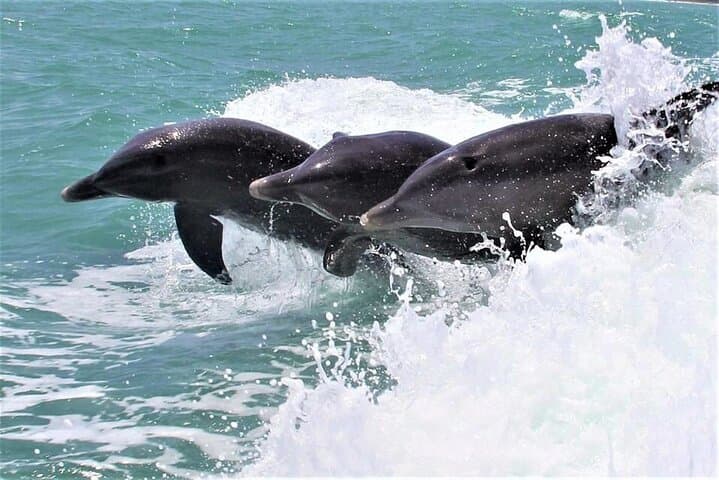
The engine hum becomes part of the rhythm as the hydrojet eases out of the harbor, Heron Harbor shrinking behind you and the low, flat dye of the Gulf unfurling ahead. Seagulls wheel like punctuation marks; the boat picks up speed through the East Pass, skimming toward Crab Island where sandbars peek and dayboats cluster. The crew scans the horizon with practiced patience—the Gulf often replies with a spray of dolphins arcing through the wakes, curious and unhurried.
Verified experiences and guided adventures in the surrounding area.
Operated by HydroJet Boat Tours · Destin, Florida
The engine hum becomes part of the rhythm as the hydrojet eases out of the harbor, Heron Harbor shrinking behind you and the low, flat dye of the Gulf unfurling ahead. Seagulls wheel like punctuation marks; the boat picks up speed through the East Pass, skimming toward Crab Island where sandbars peek and dayboats cluster. The crew scans the horizon with practiced patience—the Gulf often replies with a spray of dolphins arcing through the wakes, curious and unhurried.
This is the pace of coastal Florida: a working harbor braided with tourism, seafood lore, and a coastline forged by tides and storms. Destin’s harbor began as a fishing camp in the 19th century; what was once a handful of boats has become a choreography of charters, private yachts, and working vessels. Geologically the region is recent—sands and shoals shifted by currents from the Apalachicola system, forming shallow sand flats like Crab Island that both protect the intracoastal waterways and create concentrated feeding grounds for marine life.
On a one-hour private hydrojet tour, the narrative is simple and sensory. The captain steers east along the beach after clearing the pass, watching for dorsal fins and the telltale boil of a school of fish. Turtles surface like secret wishes, rays glide like inked shapes under clear water, and on rare days larger visitors—manatees or migratory whales—give the crew reason to pause and let cameras work. When seas are choppy, the hydrojet invites a rowdy kind of fun: controlled wave jumps that send spray and laughter into the air.
Practicalities matter. The tour meets at 314 Harbor Blvd—arrive 30 minutes early to check in at the green Hydrojet kiosk. Boats hold up to 29 guests on private charters; children under five are not allowed, and five-year-olds must meet a 3'5" minimum height. The company recommends sunscreen, polarized sunglasses, and a camera with a strap. Sea conditions can change; trips may be canceled for safety in bad weather, and tipping the crew for close wildlife spotting is common.
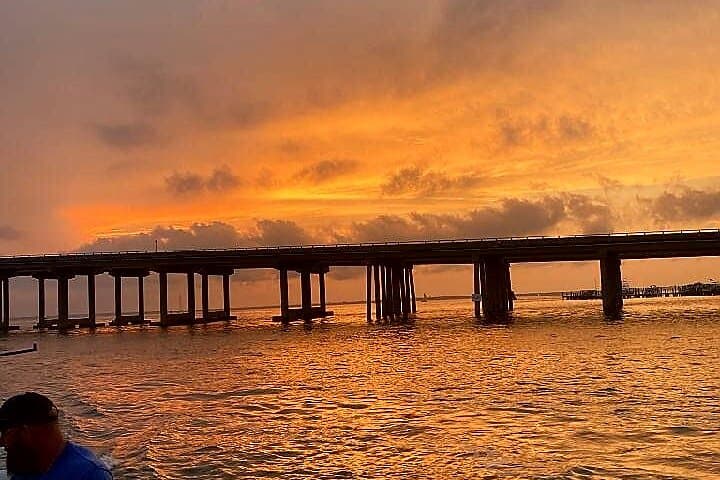
For photographers, golden hour softens the water; mid-morning tends to offer cleaner, calmer seas for spotting dolphins. Expect a relaxed but attentive crew, an active marine environment, and a fast-moving little tour that balances thrill with wildlife etiquette. If you want more time at Crab Island, plan a separate booking—this hydrojet loop is designed to find and watch wildlife rather than anchor for long beach parties.
Whether you choose this for the quick thrill of dolphin play or as a primer for deeper Destin adventures, the hydrojet cruise is an efficient, sensory way to read the Gulf: fast where the water asks for speed, patient where life gathers to breathe.
easy.
1 hour.
Suitable for most fitness levels; requires ability to step aboard a small vessel and remain seated or steady during moderate motion.
The private hydrojet tour runs approximately 60 minutes from scheduled departure to return.
Meet at 314 Harbor Blvd, Destin; check in at the green Hydrojet kiosk near Heron Harbor 30 minutes before departure.
Children under 5 are not permitted; five-year-olds must be at least 3'5" tall to ride.
Sightings are common but not guaranteed—crews pause when wildlife is found but sightings depend on season and sea conditions.
Trips may be canceled for safety; the operator offers full refunds if canceled at least 24 hours prior or for safety-related cancellations.
While not mandatory, crew gratuities are customary when staff make extra effort to locate wildlife and ensure a great experience.
Destin evolved from a 19th-century fishing village into a major sportfishing and charter hub; the harbor remains central to local maritime culture.
Respect marine life by remaining seated during wildlife encounters and avoiding throwing objects into the water; operators follow local guidelines to minimize disturbance.
HydroJet Boat Tours operates guided outdoor trips and adventures with an emphasis on safety, stewardship, and memorable experiences.
The engine hum becomes part of the rhythm as the hydrojet eases out of the harbor, Heron Harbor shrinking behind you and the low, flat dye of the Gulf unfurling ahead. Seagulls wheel like punctuation marks; the boat picks up speed through the East Pass, skimming toward Crab Island where sandbars peek and dayboats cluster. The crew scans the horizon with practiced patience—the Gulf often replies with a spray of dolphins arcing through the wakes, curious and unhurried.
The engine hum becomes part of the rhythm as the hydrojet eases out of the harbor, Heron Harbor shrinking behind you and the low, flat dye of the Gulf unfurling ahead. Seagulls wheel like punctuation marks; the boat picks up speed through the East Pass, skimming toward Crab Island where sandbars peek and dayboats cluster. The crew scans the horizon with practiced patience—the Gulf often replies with a spray of dolphins arcing through the wakes, curious and unhurried.
This is the pace of coastal Florida: a working harbor braided with tourism, seafood lore, and a coastline forged by tides and storms. Destin’s harbor began as a fishing camp in the 19th century; what was once a handful of boats has become a choreography of charters, private yachts, and working vessels. Geologically the region is recent—sands and shoals shifted by currents from the Apalachicola system, forming shallow sand flats like Crab Island that both protect the intracoastal waterways and create concentrated feeding grounds for marine life.
On a one-hour private hydrojet tour, the narrative is simple and sensory. The captain steers east along the beach after clearing the pass, watching for dorsal fins and the telltale boil of a school of fish. Turtles surface like secret wishes, rays glide like inked shapes under clear water, and on rare days larger visitors—manatees or migratory whales—give the crew reason to pause and let cameras work. When seas are choppy, the hydrojet invites a rowdy kind of fun: controlled wave jumps that send spray and laughter into the air.
Practicalities matter. The tour meets at 314 Harbor Blvd—arrive 30 minutes early to check in at the green Hydrojet kiosk. Boats hold up to 29 guests on private charters; children under five are not allowed, and five-year-olds must meet a 3'5" minimum height. The company recommends sunscreen, polarized sunglasses, and a camera with a strap. Sea conditions can change; trips may be canceled for safety in bad weather, and tipping the crew for close wildlife spotting is common.
For photographers, golden hour softens the water; mid-morning tends to offer cleaner, calmer seas for spotting dolphins. Expect a relaxed but attentive crew, an active marine environment, and a fast-moving little tour that balances thrill with wildlife etiquette. If you want more time at Crab Island, plan a separate booking—this hydrojet loop is designed to find and watch wildlife rather than anchor for long beach parties.
Whether you choose this for the quick thrill of dolphin play or as a primer for deeper Destin adventures, the hydrojet cruise is an efficient, sensory way to read the Gulf: fast where the water asks for speed, patient where life gathers to breathe.