THE ADVENTURE COLLECTIVE® · Independent discovery and booking for outdoor travel

Craft a personal fragrance at Musee de Parfum in Seongsan, Jeju. This hour-long class pairs a docent-led exhibition of vintage scents with a hands-on 30 ml perfume-making session amid mandarin groves.
Craft a personal fragrance at Musee de Parfum in Seongsan, Jeju. This hour-long class pairs a docent-led exhibition of vintage scents with a hands-on 30 ml perfume-making session amid mandarin groves.
A cool sea breeze pushes through the mandarin groves beside the museum as you step into a sunlit room lined with vintage bottles—each label a small biography of scent. The Musee de Parfum in Seongsan, Jeju, sits at the island’s eastern edge where volcanic soil and ocean air shape aromatics differently than on the mainland; here, the experience pairs a compact exhibition of 20th-century classics with a hands-on perfume workshop.
Verified experiences and guided adventures in the surrounding area.
Operated by SEOUL PASS · Seogwipo, Jeju Province
A cool sea breeze pushes through the mandarin groves beside the museum as you step into a sunlit room lined with vintage bottles—each label a small biography of scent. The Musee de Parfum in Seongsan, Jeju, sits at the island’s eastern edge where volcanic soil and ocean air shape aromatics differently than on the mainland; here, the experience pairs a compact exhibition of 20th-century classics with a hands-on perfume workshop.
The museum traces roughly a century of fragrance genealogy, placing mid-century French and vintage Korean scents next to modern compositions. Jeju’s geology—basaltic rock, rich volcanic ash and coastal winds—influences local distillation practices and the cultivation of scent plants nearby, and the museum’s garden tour highlights raw materials you’ll later sample. Culturally, the class is light on ceremony and practical in tone: a guided exhibition, a scent-strip etiquette briefing, and a 30 ml DIY bottle you take home.
Practically, expect an hour-long session that moves from guided tasting to formulation and bottling. Allergy-aware attendees should note fragrance concentrations and disclose sensitivities; children under six are not permitted. Languages supported include Korean, English, and Japanese, with Chinese via translation app. Public transit reaches Seongsan but plan extra time—arrive early to walk the garden and let your nose reset before the class begins.
Bring a small notebook for formulas, wear comfortable shoes for the garden stroll, and treat the class as both craft lesson and field lab: you’ll learn about extraction methods, scent families, and how Jeju’s climate nudges certain notes forward.
easy.
1 hour.
Minimal physical exertion; suitable for all fitness levels
The fixed session runs about 60 minutes and includes an exhibition tour, scent testing, and formulation of a 30 ml bottle.
Children under six are not permitted; older children can join provided they can follow safety instructions.
Yes—you make and take home a 30 ml DIY perfume, plus a complimentary 3 ml mini sample.
Yes—public transportation reaches Seongsan; expect a short walk from bus stops and allow extra travel time.
The museum positions itself as a local hub for perfume education, showcasing vintage 20th-century bottles and tracing influences from European perfumery to modern Korean adaptations.
The museum emphasizes responsible sourcing and educates visitors on plant-based raw materials; visitors are asked not to touch display bottles and to follow garden paths to reduce trampling.
SEOUL PASS operates guided outdoor trips and adventures with an emphasis on safety, stewardship, and memorable experiences.
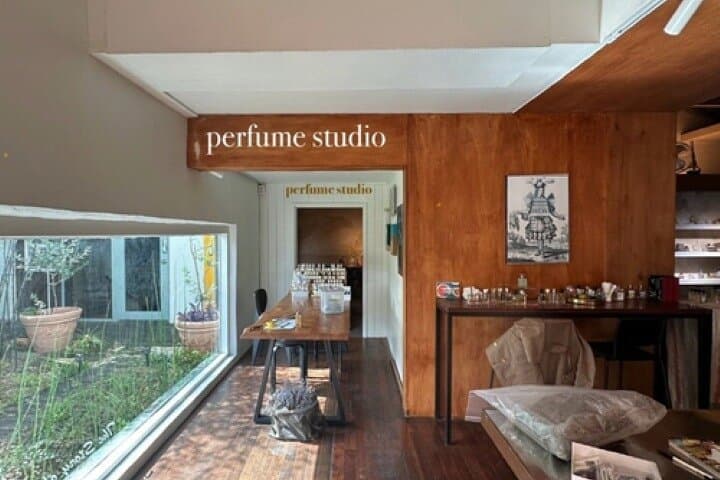
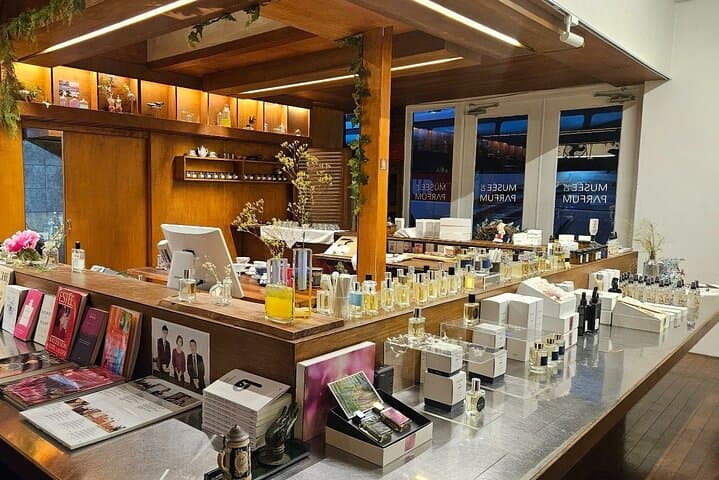
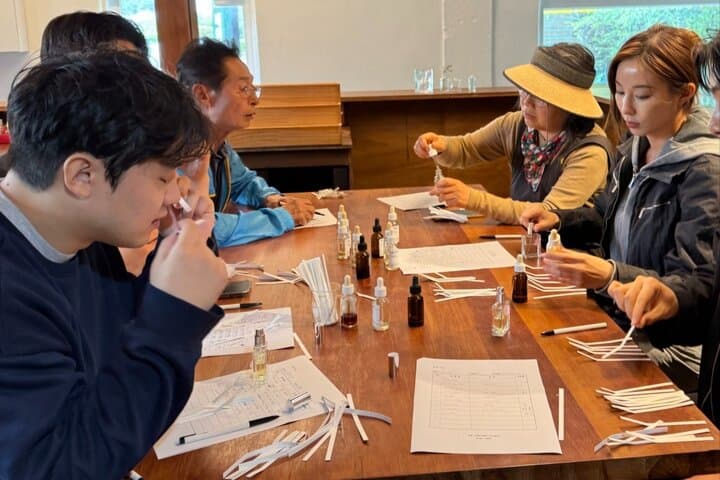
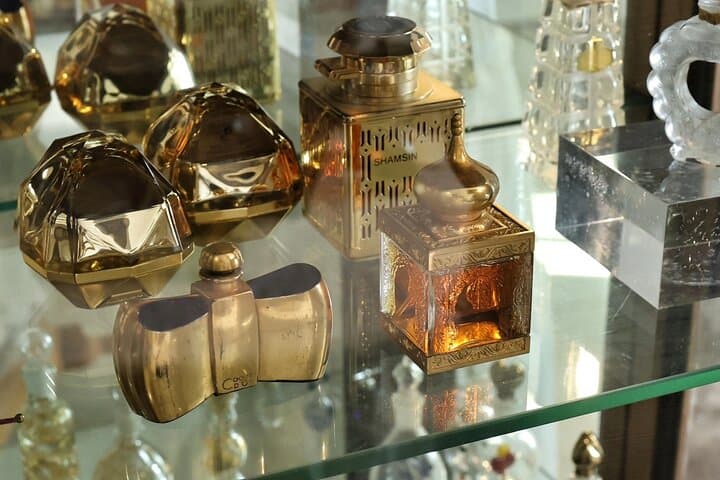
A cool sea breeze pushes through the mandarin groves beside the museum as you step into a sunlit room lined with vintage bottles—each label a small biography of scent. The Musee de Parfum in Seongsan, Jeju, sits at the island’s eastern edge where volcanic soil and ocean air shape aromatics differently than on the mainland; here, the experience pairs a compact exhibition of 20th-century classics with a hands-on perfume workshop.
A cool sea breeze pushes through the mandarin groves beside the museum as you step into a sunlit room lined with vintage bottles—each label a small biography of scent. The Musee de Parfum in Seongsan, Jeju, sits at the island’s eastern edge where volcanic soil and ocean air shape aromatics differently than on the mainland; here, the experience pairs a compact exhibition of 20th-century classics with a hands-on perfume workshop.
The museum traces roughly a century of fragrance genealogy, placing mid-century French and vintage Korean scents next to modern compositions. Jeju’s geology—basaltic rock, rich volcanic ash and coastal winds—influences local distillation practices and the cultivation of scent plants nearby, and the museum’s garden tour highlights raw materials you’ll later sample. Culturally, the class is light on ceremony and practical in tone: a guided exhibition, a scent-strip etiquette briefing, and a 30 ml DIY bottle you take home.
Practically, expect an hour-long session that moves from guided tasting to formulation and bottling. Allergy-aware attendees should note fragrance concentrations and disclose sensitivities; children under six are not permitted. Languages supported include Korean, English, and Japanese, with Chinese via translation app. Public transit reaches Seongsan but plan extra time—arrive early to walk the garden and let your nose reset before the class begins.
Bring a small notebook for formulas, wear comfortable shoes for the garden stroll, and treat the class as both craft lesson and field lab: you’ll learn about extraction methods, scent families, and how Jeju’s climate nudges certain notes forward.