THE ADVENTURE COLLECTIVE® · Independent discovery and booking for outdoor travel

Customize an eight‑hour private tour of Bangkok to suit your pace — temples, markets, canals, or malls. This practical guide covers history, key stops, entry fees, and tips to plan a smooth day in the Thai capital.
Customize an eight‑hour private tour of Bangkok to suit your pace — temples, markets, canals, or malls. This practical guide covers history, key stops, entry fees, and tips to plan a smooth day in the Thai capital.
Bangkok opens like a city that never pauses: the Chao Phraya nudges long-tail boats along its banks, vendors call over sizzling woks, and gilded temple roofs flash in the sun.
Verified experiences and guided adventures in the surrounding area.
Operated by The best Private Tour for The Floating Market in Thailand · Bangkok, Bangkok
Bangkok opens like a city that never pauses: the Chao Phraya nudges long-tail boats along its banks, vendors call over sizzling woks, and gilded temple roofs flash in the sun.
On an 8‑hour private day tour you shape the route — the Grand Palace’s ornate halls, Wat Pho’s reclining Buddha, or a slow glide through Thonburi’s canals. The Rattanakosin-era core of the city dates to 1782 when the court moved to the river’s western bank; its temples and markets grew from strategic river trade and royal patronage. The river itself carved the Bangkok we see: low-lying floodplains threaded with canals, giving rise to floating markets and waterside communities.
Culturally you’ll meet contrasts: Buddhist ritual at temple steps, hawker stalls flipping pad thai, and modern malls like ICONSIAM and MBK side-by-side. Local life is tactile — street food stands, weekend markets, and park exercise groups in Lumpini.
Practical guide: tours typically include hotel pickup and private transport (within ~35 km). Temple entry fees range—Grand Palace ~500 THB, Wat Pho ~300 THB, Wat Arun ~200 THB—and long-tail canal rides are extra. Dress respectfully for temples (shoulders and knees covered), carry small bills for market purchases, and plan morning starts to avoid mid‑day heat. Bring sun protection, a refillable water bottle, and comfortable shoes; tuk‑tuks and river taxis move fast but pack light for mobility.
With a licensed English guide you can compress history, architecture, and neighborhood life into a single day without rushing — a customizable urban loop that puts Bangkok’s river, religion, and markets within reach.
easy.
6–8 hours.
Light walking and standing; suitable for most fitness levels but expect uneven temple steps and market crowds.
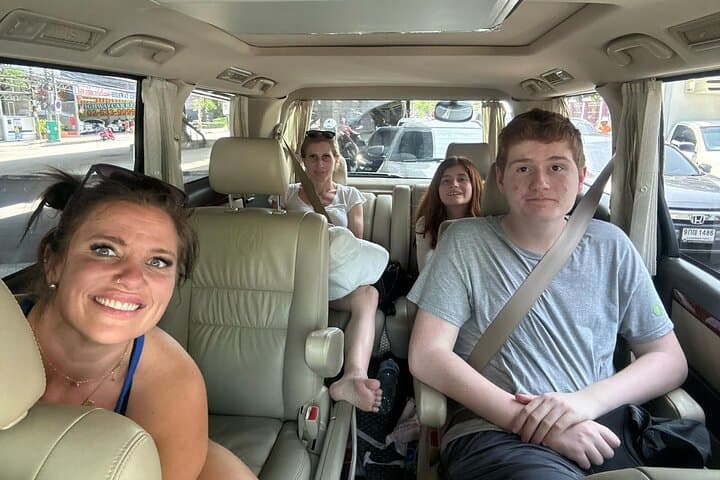
Private transportation from your hotel within a roughly 35 km radius is typically included; private vehicle type (sedan or minivan) depends on group size.
Most tours list major temple options but entrance fees (e.g., Grand Palace ~500 THB, Wat Pho ~300 THB, Wat Arun ~200 THB) are commonly paid on site unless the booking specifies otherwise.
Yes — the tour is designed to be fully customizable within the 8‑hour window, letting you choose temples, markets, canal rides, or malls.
Yes — the tour is rated easy and offers infant seats; however, temple steps and market crowds can be challenging so request a gentler pace and vehicle drop‑offs close to entrances.
Bangkok’s Rattanakosin core was established in 1782 on the Chao Phraya’s west bank; the Grand Palace became the political and ceremonial center of the new capital.
The Chao Phraya faces pollution and habitat pressure; reduce plastic waste, avoid feeding wildlife, and follow local signage to protect waterways and temple sites.
The best Private Tour for The Floating Market in Thailand operates guided outdoor trips and adventures with an emphasis on safety, stewardship, and memorable experiences.
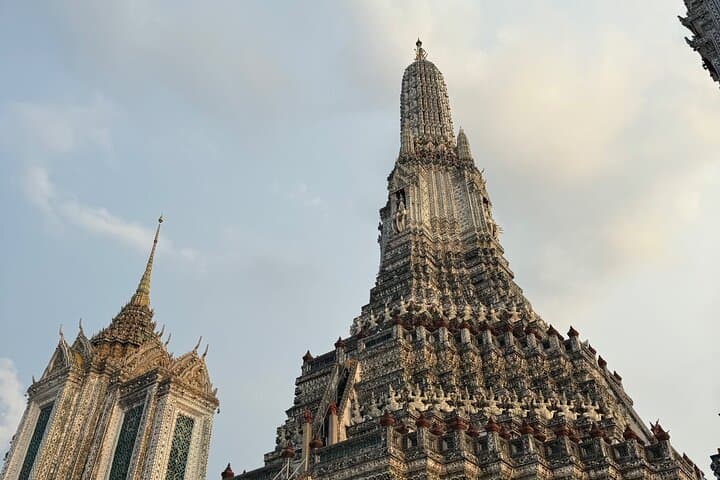


Bangkok opens like a city that never pauses: the Chao Phraya nudges long-tail boats along its banks, vendors call over sizzling woks, and gilded temple roofs flash in the sun.
Bangkok opens like a city that never pauses: the Chao Phraya nudges long-tail boats along its banks, vendors call over sizzling woks, and gilded temple roofs flash in the sun.
On an 8‑hour private day tour you shape the route — the Grand Palace’s ornate halls, Wat Pho’s reclining Buddha, or a slow glide through Thonburi’s canals. The Rattanakosin-era core of the city dates to 1782 when the court moved to the river’s western bank; its temples and markets grew from strategic river trade and royal patronage. The river itself carved the Bangkok we see: low-lying floodplains threaded with canals, giving rise to floating markets and waterside communities.
Culturally you’ll meet contrasts: Buddhist ritual at temple steps, hawker stalls flipping pad thai, and modern malls like ICONSIAM and MBK side-by-side. Local life is tactile — street food stands, weekend markets, and park exercise groups in Lumpini.
Practical guide: tours typically include hotel pickup and private transport (within ~35 km). Temple entry fees range—Grand Palace ~500 THB, Wat Pho ~300 THB, Wat Arun ~200 THB—and long-tail canal rides are extra. Dress respectfully for temples (shoulders and knees covered), carry small bills for market purchases, and plan morning starts to avoid mid‑day heat. Bring sun protection, a refillable water bottle, and comfortable shoes; tuk‑tuks and river taxis move fast but pack light for mobility.
With a licensed English guide you can compress history, architecture, and neighborhood life into a single day without rushing — a customizable urban loop that puts Bangkok’s river, religion, and markets within reach.