THE ADVENTURE COLLECTIVE® · Independent discovery and booking for outdoor travel

Craft your own day in Shanghai with a private guide — from Ming gardens and Buddhist temples to the dizzying heights of Shanghai Tower. Plan 6–8 hours and prioritize the sights you care about.
Craft your own day in Shanghai with a private guide — from Ming gardens and Buddhist temples to the dizzying heights of Shanghai Tower. Plan 6–8 hours and prioritize the sights you care about.
You step out into a city that keeps reinventing itself — scooter horns thread through the morning air, the Huangpu River dares you to cross and see the skyline from the Bund, and glass towers climb where trading houses once stood.
Verified experiences and guided adventures in the surrounding area.
Operated by Amazing Shanghai Trip · Shanghai, Shanghai
You step out into a city that keeps reinventing itself — scooter horns thread through the morning air, the Huangpu River dares you to cross and see the skyline from the Bund, and glass towers climb where trading houses once stood.
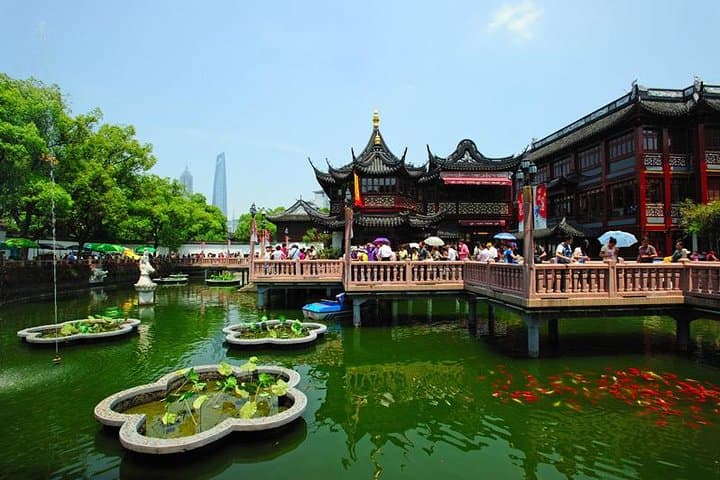
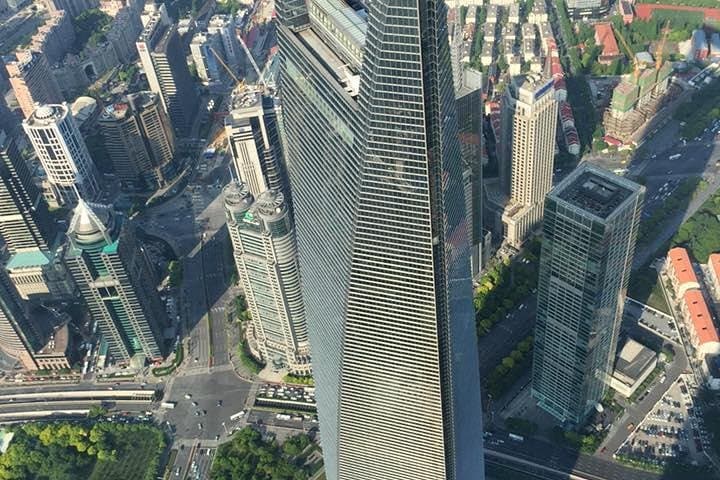
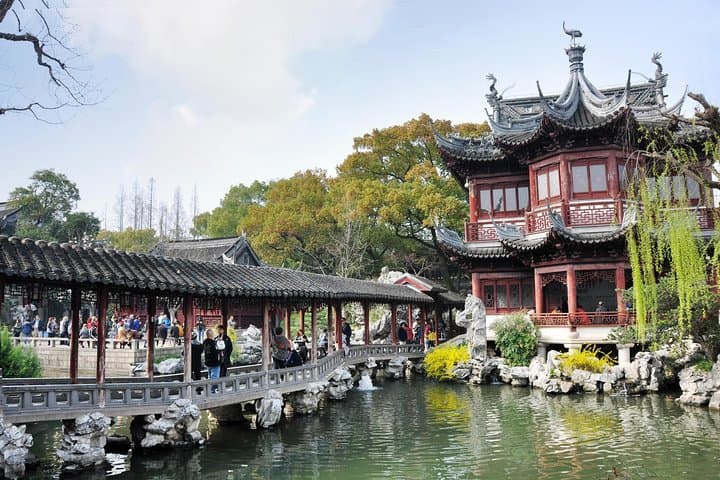
This private Shanghai day tour stitches together centuries: Ming-era gardens at Yuyuan, colonial façades on the Bund, Buddhist ritual at Jade Buddha Temple, and the vertigo-inducing observation deck of Shanghai Tower. Geologically the city sits on the flat Yangtze Delta alluvium, a low plain that allowed Shanghai to grow into a sprawling port. Culturally, it’s a crossroads — concessions and Chinese guilds left streets where French plane trees share shade with neon signs and teahouse calls.
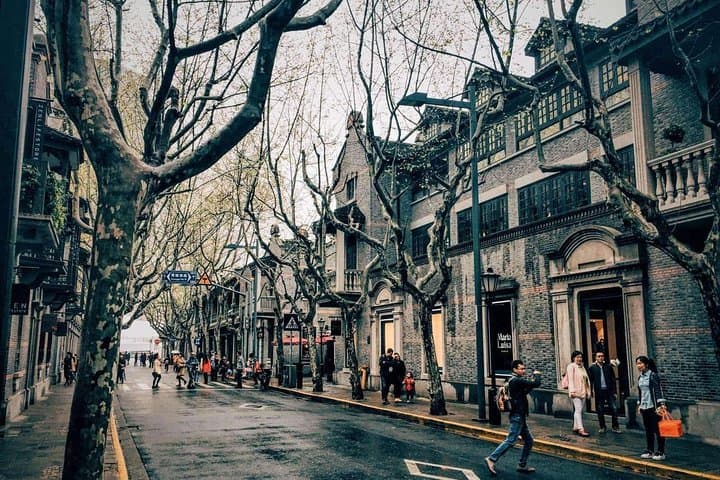
Local guides translate not only language but city rhythms — pointing out a tucked-away lane of cafes in the Former French Concession, explaining the Bund’s banked façades, or timing a riverside stroll to catch the evening light show.
Practical guidance: plan for about 6–8 hours to move at a relaxed pace; Yuyuan Garden closes Mondays, and peak humidity in summer can fatigue even short itineraries. Choose an air-conditioned vehicle if your route spans wide distances or if you prefer fewer walks between sites. Wear sturdy, breathable shoes and carry a power bank and refillable water bottle; many neighborhoods are walkable but have limited public trash bins.
This is a custom day: prioritize what you want to see, and let the guide edit the route on the fly to match weather, crowds, and your energy.
easy.
6–8 hours.
Light stamina for several hours of walking with stops; suitable for most fitness levels
Most itineraries don’t include attraction admissions by default—confirm during booking or ask your guide to purchase tickets for you.
Yes; the private format lets you reorder stops or swap in activities like a Huangpu River cruise or local markets, subject to timing and admissions.
Hotel pick-up and drop-off are included when the vehicle option is selected; otherwise meetups at centrally located points can be arranged.
The tour is rated easy and some areas are wheelchair accessible, but narrow alleys and garden steps may limit access—discuss needs when booking.
Shanghai grew from a fishing village to an open treaty port in the 19th century, its Bund architecture reflecting colonial banking and its skyline chronicling rapid 20th–21st century growth.
High visitor volumes strain narrow historic sites—stick to marked paths, avoid feeding wildlife, and dispose of waste responsibly to protect temple courtyards and gardens.
Amazing Shanghai Trip operates guided outdoor trips and adventures with an emphasis on safety, stewardship, and memorable experiences.
You step out into a city that keeps reinventing itself — scooter horns thread through the morning air, the Huangpu River dares you to cross and see the skyline from the Bund, and glass towers climb where trading houses once stood.
You step out into a city that keeps reinventing itself — scooter horns thread through the morning air, the Huangpu River dares you to cross and see the skyline from the Bund, and glass towers climb where trading houses once stood.
This private Shanghai day tour stitches together centuries: Ming-era gardens at Yuyuan, colonial façades on the Bund, Buddhist ritual at Jade Buddha Temple, and the vertigo-inducing observation deck of Shanghai Tower. Geologically the city sits on the flat Yangtze Delta alluvium, a low plain that allowed Shanghai to grow into a sprawling port. Culturally, it’s a crossroads — concessions and Chinese guilds left streets where French plane trees share shade with neon signs and teahouse calls.
Local guides translate not only language but city rhythms — pointing out a tucked-away lane of cafes in the Former French Concession, explaining the Bund’s banked façades, or timing a riverside stroll to catch the evening light show.
Practical guidance: plan for about 6–8 hours to move at a relaxed pace; Yuyuan Garden closes Mondays, and peak humidity in summer can fatigue even short itineraries. Choose an air-conditioned vehicle if your route spans wide distances or if you prefer fewer walks between sites. Wear sturdy, breathable shoes and carry a power bank and refillable water bottle; many neighborhoods are walkable but have limited public trash bins.
This is a custom day: prioritize what you want to see, and let the guide edit the route on the fly to match weather, crowds, and your energy.