THE ADVENTURE COLLECTIVE® · Independent discovery and booking for outdoor travel

Cross ancient deserts, legendary floodplains and the thunder of Victoria Falls on a 15-day lodge-based guided safari. This multi-country journey pairs big-game viewing with geological wonders and cultural encounters.
Cross ancient deserts, legendary floodplains and the thunder of Victoria Falls on a 15-day lodge-based guided safari. This multi-country journey pairs big-game viewing with geological wonders and cultural encounters.
You step from the plane into Windhoek’s dry heat, the air already carrying the metallic tang of distant salt pans and the soft hiss of dune wind. Over 15 days the landscape will flip from the brick-red slopes of Sossusvlei to the copper floodplains of Chobe and the thunder of Victoria Falls — each environment demanding different senses and small adjustments to rhythm.
Verified experiences and guided adventures in the surrounding area.
Operated by Motema Tours and Safaris Namibia · Windhoek, Khomas
You step from the plane into Windhoek’s dry heat, the air already carrying the metallic tang of distant salt pans and the soft hiss of dune wind. Over 15 days the landscape will flip from the brick-red slopes of Sossusvlei to the copper floodplains of Chobe and the thunder of Victoria Falls — each environment demanding different senses and small adjustments to rhythm.
The itinerary threads colonial-era Windhoek, Himba villages, Twyfelfontein’s six-thousand-year engravings, and the geological spectacle of the Namib’s dunes — wind-sculpted giants that record volcanic and aeolian history in every ripple. In Damaraland you’ll read time in basalt organ pipes and fossilized wood; in Etosha the salt pan stretches like a geological mirror, concentrating wildlife at its water points.
Local cultures punctuate the trip: Himba caretaking traditions, German-Namibian architecture in Windhoek, and Lozi and Tonga communities downstream of the Zambezi. Nature feels intent here — dunes push you upward, river currents insist you pause — and the trip’s design balances long drives with lodge comfort so you can track big game without roughing it every night.
Practical notes: bring layered sun protection for daytime desert heat and cool nights, a small daypack for early-morning dune walks, and binoculars for river and pan viewing. Expect multiple game drives, short cultural visits, and lodge transfers; travel distances are long, so plan for patience and hydration. With responsible viewing and respectful engagement, this route delivers classic southern African contrasts — from isolated desert silence to the constant chorus around a floodlit waterhole.
easy.
15 days.
Suitable for travelers with basic mobility — expect short walks, early starts, and long vehicle transfers; minimal strenuous activity required.
Passport and visas depend on nationality; yellow fever proof may be required if arriving from endemic countries — check embassy guidance and consult a travel clinic for recommended vaccinations before departure.
Dry months (May–October) concentrate animals at waterholes in Etosha and Chobe, improving sightings; the flood season in parts of the Zambezi (Feb–May) changes boat safari conditions but increases birdlife.
This is a lodge-based itinerary with mostly vehicle-based safaris and short walks; no technical fitness is required, though dune climbs and hot daytime conditions demand moderate stamina.
Lodges typically offer single-room upgrades and can usually handle dietary restrictions if informed at booking; provide passport details and special requirements in advance.
The route traverses former German South West Africa sites, Himba ancestral lands and colonial-era settlements; Twyfelfontein preserves rock art from early hunter‑gatherer cultures.
Much of the trip visits protected reserves where responsible viewing is enforced; minimize water use in desert zones, follow guide instructions, and avoid disturbing wildlife or local communities.
Motema Tours and Safaris Namibia operates guided outdoor trips and adventures with an emphasis on safety, stewardship, and memorable experiences.
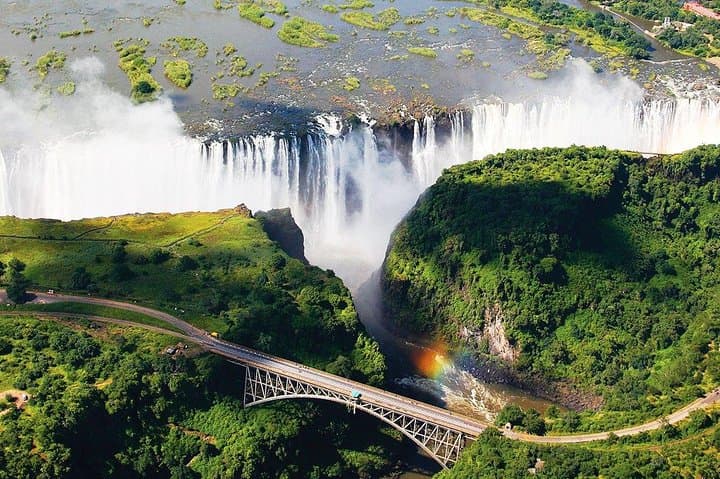
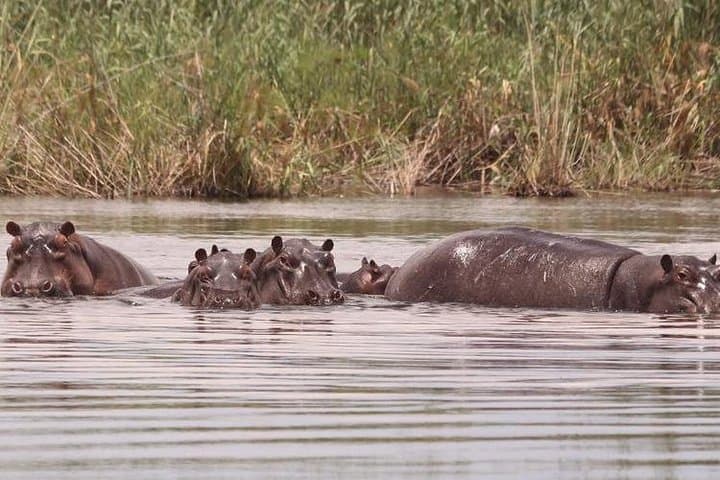
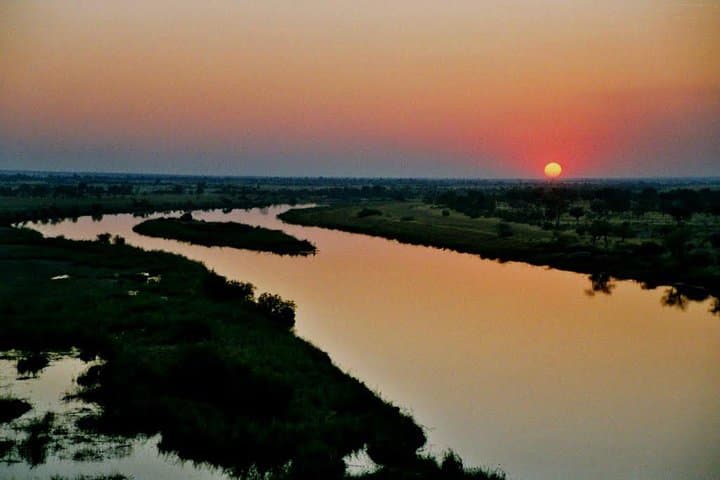
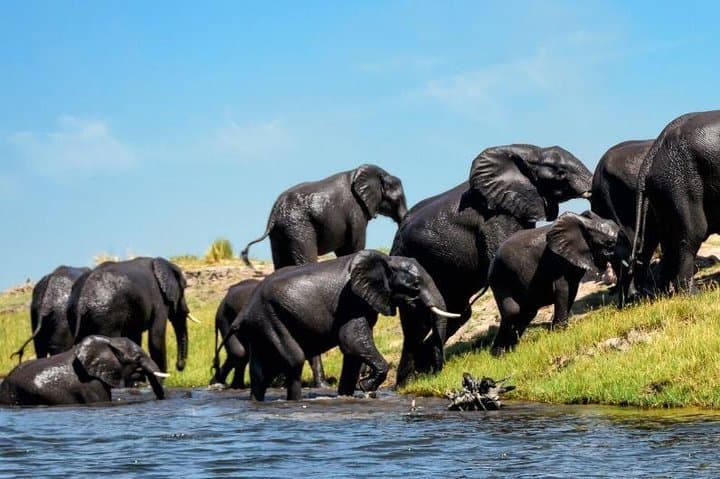
You step from the plane into Windhoek’s dry heat, the air already carrying the metallic tang of distant salt pans and the soft hiss of dune wind. Over 15 days the landscape will flip from the brick-red slopes of Sossusvlei to the copper floodplains of Chobe and the thunder of Victoria Falls — each environment demanding different senses and small adjustments to rhythm.
You step from the plane into Windhoek’s dry heat, the air already carrying the metallic tang of distant salt pans and the soft hiss of dune wind. Over 15 days the landscape will flip from the brick-red slopes of Sossusvlei to the copper floodplains of Chobe and the thunder of Victoria Falls — each environment demanding different senses and small adjustments to rhythm.
The itinerary threads colonial-era Windhoek, Himba villages, Twyfelfontein’s six-thousand-year engravings, and the geological spectacle of the Namib’s dunes — wind-sculpted giants that record volcanic and aeolian history in every ripple. In Damaraland you’ll read time in basalt organ pipes and fossilized wood; in Etosha the salt pan stretches like a geological mirror, concentrating wildlife at its water points.
Local cultures punctuate the trip: Himba caretaking traditions, German-Namibian architecture in Windhoek, and Lozi and Tonga communities downstream of the Zambezi. Nature feels intent here — dunes push you upward, river currents insist you pause — and the trip’s design balances long drives with lodge comfort so you can track big game without roughing it every night.
Practical notes: bring layered sun protection for daytime desert heat and cool nights, a small daypack for early-morning dune walks, and binoculars for river and pan viewing. Expect multiple game drives, short cultural visits, and lodge transfers; travel distances are long, so plan for patience and hydration. With responsible viewing and respectful engagement, this route delivers classic southern African contrasts — from isolated desert silence to the constant chorus around a floodlit waterhole.