THE ADVENTURE COLLECTIVE® · Independent discovery and booking for outdoor travel

Find quiet in the wide silence of Avi Kwa Ame with a certified sound therapist. This private desert sound bath blends gongs and singing bowls with a guided meditation at a secluded outdoor residence.
Find quiet in the wide silence of Avi Kwa Ame with a certified sound therapist. This private desert sound bath blends gongs and singing bowls with a guided meditation at a secluded outdoor residence.
The desert opens like a quiet room: sun-warmed rock faces, clean air that seems to hold its breath, and a low wind that moves through creosote and scrub as if testing the silence. At a private spot within the Avi Kwa Ame National Monument, participants roll out mats and settle into blankets while a certified sound therapist arranges gongs, singing bowls and chimes—each instrument tuned to guide attention inward.
Verified experiences and guided adventures in the surrounding area.
Operated by James · Laughlin, Nevada
The desert opens like a quiet room: sun-warmed rock faces, clean air that seems to hold its breath, and a low wind that moves through creosote and scrub as if testing the silence. At a private spot within the Avi Kwa Ame National Monument, participants roll out mats and settle into blankets while a certified sound therapist arranges gongs, singing bowls and chimes—each instrument tuned to guide attention inward.
Avi Kwa Ame—also known as Spirit Mountain to Mojave peoples—sits on land shaped by volcanic uplift and ancient river systems; granite outcrops and alluvial fans create the flat-and-ridge geometry of the landscape. The area has long cultural significance for Indigenous communities, whose seasonal movements and place names map centuries of desert knowledge. Visitors can feel that human history is another layer on the stones and washes beneath their feet.
The session begins with gentle breath work and a short guided meditation that establishes posture and intention. The sound bath portion blends sustained bowl tones and resonant gongs; low frequencies travel across the sand and invite relaxed listening. After the practice, the host offers light refreshments and quiet time to reorient before departure.
Practical notes: the experience is low-impact—suitable for most fitness levels—but the site is desert terrain and requires sun protection, water and comfortable layers for temperature swings. Expect minimal cell service and a small flight of stairs at the private residence. Arrive hydrated, allow time to adjust after the sound work, and treat the location with leave-no-trace care to preserve this sacred landscape.
easy.
2–3 hours.
Suitable for most fitness levels; participants should be able to sit or lie on a mat and climb a short flight of stairs.
Yes—this offering includes private transportation from the designated pickup point, typically arranged at booking; confirm pickup location and time with the operator.
Yes—the host supplies yoga mats, blankets and pillows for comfort during the session.
No—the experience is not recommended for pregnant travelers due to sustained low-frequency sounds and positioning.
The site requires climbing a small flight of stairs, so it is not fully wheelchair accessible; contact the operator to discuss accommodations.
Avi Kwa Ame holds deep cultural and spiritual importance for Mojave and other Indigenous peoples; the designation as a national monument recognizes both natural features and ongoing cultural connections.
Visits should follow leave-no-trace principles—stick to existing paths, pack out waste, and avoid disturbing cultural sites to protect fragile habitats and sacred places.
James operates guided outdoor trips and adventures with an emphasis on safety, stewardship, and memorable experiences.


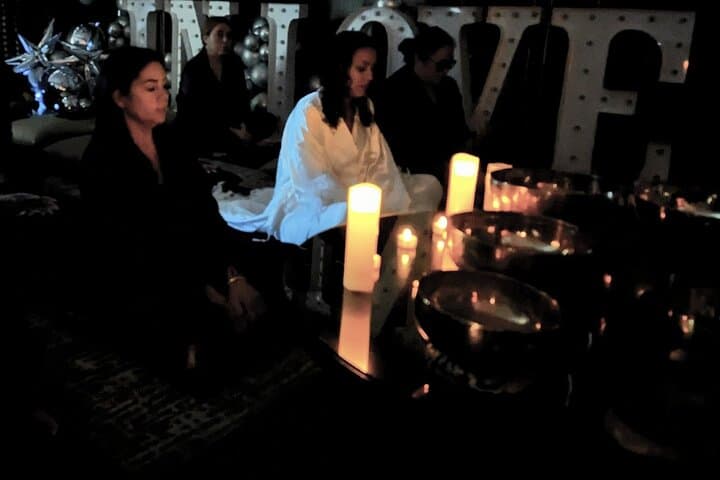
The desert opens like a quiet room: sun-warmed rock faces, clean air that seems to hold its breath, and a low wind that moves through creosote and scrub as if testing the silence. At a private spot within the Avi Kwa Ame National Monument, participants roll out mats and settle into blankets while a certified sound therapist arranges gongs, singing bowls and chimes—each instrument tuned to guide attention inward.
The desert opens like a quiet room: sun-warmed rock faces, clean air that seems to hold its breath, and a low wind that moves through creosote and scrub as if testing the silence. At a private spot within the Avi Kwa Ame National Monument, participants roll out mats and settle into blankets while a certified sound therapist arranges gongs, singing bowls and chimes—each instrument tuned to guide attention inward.
Avi Kwa Ame—also known as Spirit Mountain to Mojave peoples—sits on land shaped by volcanic uplift and ancient river systems; granite outcrops and alluvial fans create the flat-and-ridge geometry of the landscape. The area has long cultural significance for Indigenous communities, whose seasonal movements and place names map centuries of desert knowledge. Visitors can feel that human history is another layer on the stones and washes beneath their feet.
The session begins with gentle breath work and a short guided meditation that establishes posture and intention. The sound bath portion blends sustained bowl tones and resonant gongs; low frequencies travel across the sand and invite relaxed listening. After the practice, the host offers light refreshments and quiet time to reorient before departure.
Practical notes: the experience is low-impact—suitable for most fitness levels—but the site is desert terrain and requires sun protection, water and comfortable layers for temperature swings. Expect minimal cell service and a small flight of stairs at the private residence. Arrive hydrated, allow time to adjust after the sound work, and treat the location with leave-no-trace care to preserve this sacred landscape.