THE ADVENTURE COLLECTIVE® · Independent discovery and booking for outdoor travel

Cross the High Atlas, stroll through Ait Ben Haddou and spend a night under desert stars. This private two-day loop from Marrakech pairs cinematic kasbahs with Draa Valley palms and camel treks into Zagora’s dunes.
Cross the High Atlas, stroll through Ait Ben Haddou and spend a night under desert stars. This private two-day loop from Marrakech pairs cinematic kasbahs with Draa Valley palms and camel treks into Zagora’s dunes.
You leave Marrakech before dawn and the city’s ochre roofs shrink behind you as the road climbs toward the High Atlas. Wind-creased passes open into powdery light; at 2,260 m the Tizi n’Tichka pass lays out a broad, rocky horizon that dares you to look farther. By midday the flat earth gives way to kasbahs of mud and stone, and Ait Ben Haddou’s fortified lanes rise like a living set.
Verified experiences and guided adventures in the surrounding area.
Operated by BOOKING LINKS · Marrakech, Marrakech-Safi
You leave Marrakech before dawn and the city’s ochre roofs shrink behind you as the road climbs toward the High Atlas. Wind-creased passes open into powdery light; at 2,260 m the Tizi n’Tichka pass lays out a broad, rocky horizon that dares you to look farther. By midday the flat earth gives way to kasbahs of mud and stone, and Ait Ben Haddou’s fortified lanes rise like a living set.
This route stitches together Moroccan history and geology: ancient caravan routes across the Atlas, the layered clay of kasbah architecture, and the Draa Valley’s ribbon of palms fed by mountain runoff. Ouarzazate earned its film-studio fame in the sun-glare of cinema and trade, while the Draa’s palm groves tell a quieter story of irrigation and oasis agriculture.
Practical realities arrive with the scenery. The itinerary runs as a private, two-day loop—roughly 48 hours with long driving stretches and scheduled stops—including a late-afternoon camel trek of about two hours into a Berber bivouac and a sunrise ride the next morning. Camps provide full bedding and a half-board meal plan; hotel pickup and an air-conditioned vehicle are included.
Bring layered clothing for cold desert nights, sun protection and a reusable water bottle, and be ready for sustained time on bumpy roads and camel saddles. Allow time for optional visits—Atlas Film Studios or Kasbah Taourirt—carry some cash for entrances and tips, and plan arrival and departures around daylight for the best dune light and safer driving.
This trip balances culture, easy trekking by camel, and long scenic drives—ideal if you want concentrated desert exposure without committing to a multi-night expedition.
moderate.
2 days (approx. 48 hours).
Suitable for travelers in average fitness who can handle several hours of driving, short camel rides and short walks over uneven ground.
Each camel segment is about two hours—one late-afternoon ride to the bivouac and another at sunrise—suitable for first-time riders.
Yes; the tour includes half-board (dinner and breakfast) and the bivouac supplies full bedding, though you can opt to sleep under the stars.
The highest crossing is Tizi n’Tichka at about 2,260 m; most travelers experience no issues, but allow time to acclimate if you’re sensitive to altitude changes.
Yes; this is a private tour with hotel pickup and drop-off in an air-conditioned vehicle included in the price.
Ait Ben Haddou is a UNESCO-listed ksar that guarded trans-Saharan trade routes; Ouarzazate became a filming hub in the 20th century due to its light and landscapes.
Stick to marked paths around palm groves and camps; water is scarce in this region, so minimizing waste and respecting local irrigation practices helps preserve oases.
BOOKING LINKS operates guided outdoor trips and adventures with an emphasis on safety, stewardship, and memorable experiences.
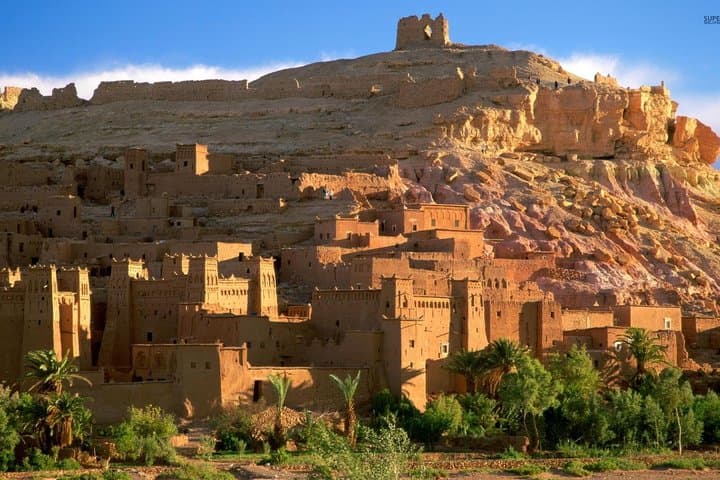
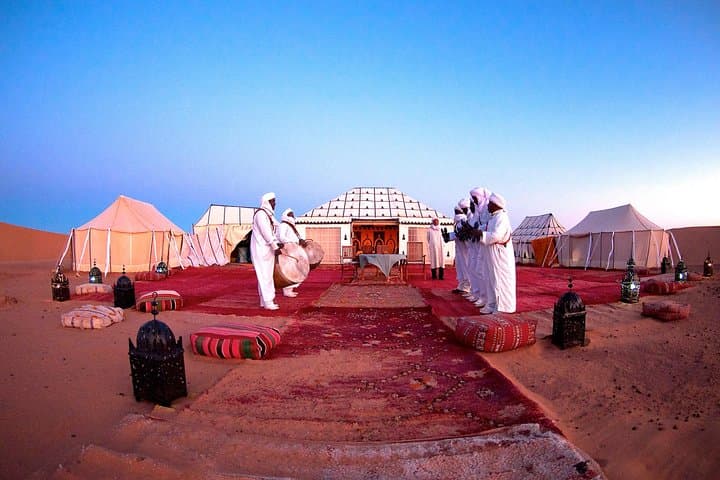
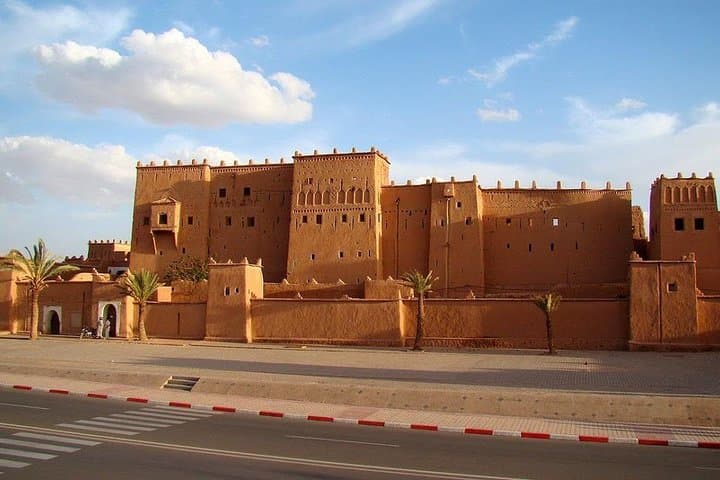
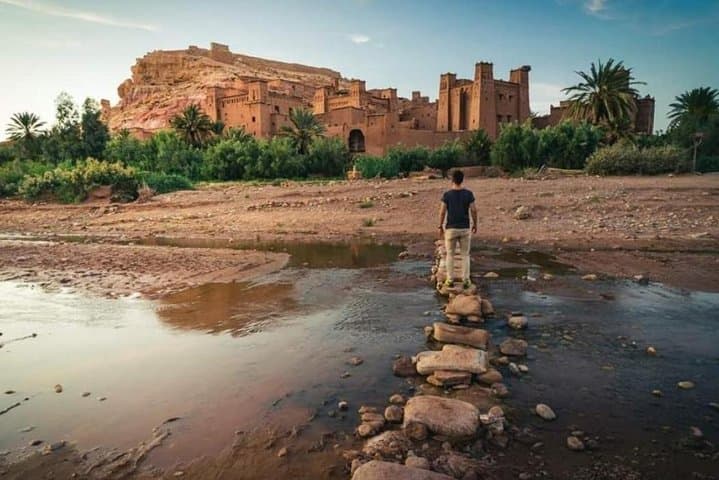
You leave Marrakech before dawn and the city’s ochre roofs shrink behind you as the road climbs toward the High Atlas. Wind-creased passes open into powdery light; at 2,260 m the Tizi n’Tichka pass lays out a broad, rocky horizon that dares you to look farther. By midday the flat earth gives way to kasbahs of mud and stone, and Ait Ben Haddou’s fortified lanes rise like a living set.
You leave Marrakech before dawn and the city’s ochre roofs shrink behind you as the road climbs toward the High Atlas. Wind-creased passes open into powdery light; at 2,260 m the Tizi n’Tichka pass lays out a broad, rocky horizon that dares you to look farther. By midday the flat earth gives way to kasbahs of mud and stone, and Ait Ben Haddou’s fortified lanes rise like a living set.
This route stitches together Moroccan history and geology: ancient caravan routes across the Atlas, the layered clay of kasbah architecture, and the Draa Valley’s ribbon of palms fed by mountain runoff. Ouarzazate earned its film-studio fame in the sun-glare of cinema and trade, while the Draa’s palm groves tell a quieter story of irrigation and oasis agriculture.
Practical realities arrive with the scenery. The itinerary runs as a private, two-day loop—roughly 48 hours with long driving stretches and scheduled stops—including a late-afternoon camel trek of about two hours into a Berber bivouac and a sunrise ride the next morning. Camps provide full bedding and a half-board meal plan; hotel pickup and an air-conditioned vehicle are included.
Bring layered clothing for cold desert nights, sun protection and a reusable water bottle, and be ready for sustained time on bumpy roads and camel saddles. Allow time for optional visits—Atlas Film Studios or Kasbah Taourirt—carry some cash for entrances and tips, and plan arrival and departures around daylight for the best dune light and safer driving.
This trip balances culture, easy trekking by camel, and long scenic drives—ideal if you want concentrated desert exposure without committing to a multi-night expedition.