THE ADVENTURE COLLECTIVE® · Independent discovery and booking for outdoor travel

Turn desert sunlight into cyan-blue prints in a three-hour Palm Springs workshop. Learn the 19th-century cyanotype process, expose images with found plants and prepared negatives, and leave with several framed prints.
Turn desert sunlight into cyan-blue prints in a three-hour Palm Springs workshop. Learn the 19th-century cyanotype process, expose images with found plants and prepared negatives, and leave with several framed prints.
The desert sun is direct, clean, and impatient — perfect for making cyanotypes. You arrive at a shaded table on a dry arroyo edge, the light sharp enough to silhouette a feather or leaf in a single exposure. The instructor prepares emulsions while wind moves skeletal branches like quiet hands arranging props.
Verified experiences and guided adventures in the surrounding area.
Operated by ROSE CEFALU · Palm Springs, California
The desert sun is direct, clean, and impatient — perfect for making cyanotypes. You arrive at a shaded table on a dry arroyo edge, the light sharp enough to silhouette a feather or leaf in a single exposure. The instructor prepares emulsions while wind moves skeletal branches like quiet hands arranging props.
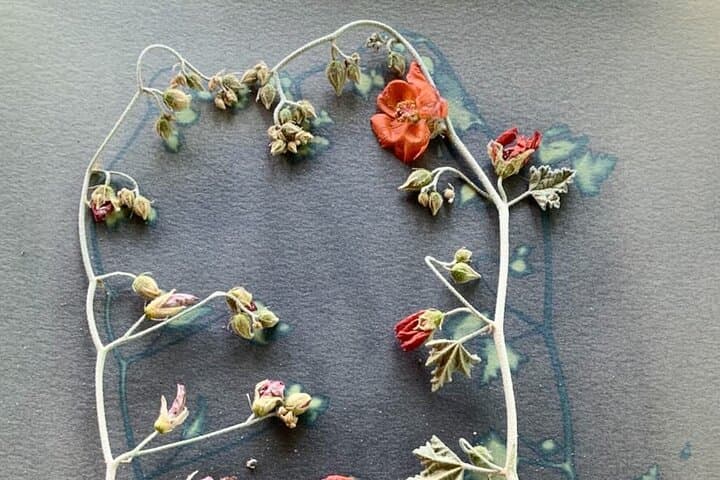
Cyanotype printing dates to the 19th century, used by engineers and botanists before photographers widened its appeal. Here the method meets the Colorado Desert’s geology: ancient alluvial fans, wind-polished rocks, and salt-flat light that exaggerates blues and shadows. Palm Springs sits on Cahuilla land; local plants and found objects often become the workshop’s raw materials, connecting art practice to regional culture.
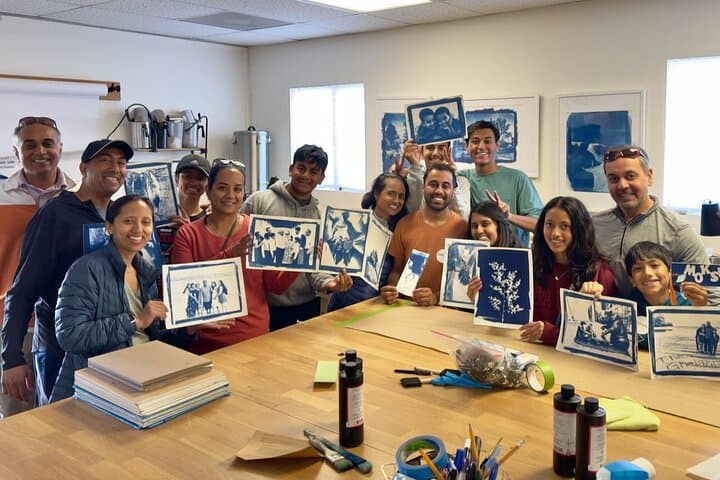
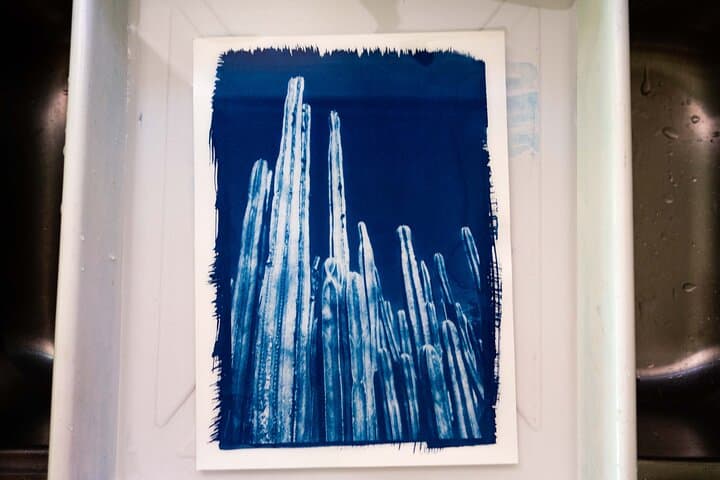
Expect hands-on instruction on coating paper, working with digital negatives, and exposing prints using sunlight and found objects. No darkroom is required; the process is chemical but straightforward, producing vivid Prussian-blue images you can rinse and dry the same day. The class supplies paper, chemicals, and up to 10 finished 9×12 prints to take home.
Practical notes: plan for sun and wind — bring a brimmed hat and clips to secure thin paper. Morning light is strongest and most consistent in summer; shoulder seasons give gentler exposure times. Wear comfortable shoes for sandy ground and avoid trampling plants when gathering natural shapes. The workshop is suitable for beginners; it’s a tactile way to leave with both memories and original art that carry the desert’s light home.
easy.
3 hours.
Light — suitable for people comfortable standing and working at tables for the session length
No — the workshop is beginner-friendly; the instructor prepares digital negatives and teaches coating and exposure steps.
You typically leave with 5–10 cyanotype prints (9×12) on various paper types, ready to dry and display.
Yes — cyanotype involves household chemicals but they are low-toxicity; the instructor provides all materials and safety guidance.
Wind can be managed with clips and indoor shelter if available; sessions may be rescheduled for heavy cloud or rain to ensure good exposures.
Cyanotypes were developed in 1842 and later adopted for botanical and engineering copies; Palm Springs sits on ancestral Cahuilla territory with a long tradition of working with native desert plants.
The desert is fragile—avoid collecting live plants or disturbing habitats; use fallen material or supplied props and follow Leave No Trace principles.
ROSE CEFALU operates guided outdoor trips and adventures with an emphasis on safety, stewardship, and memorable experiences.
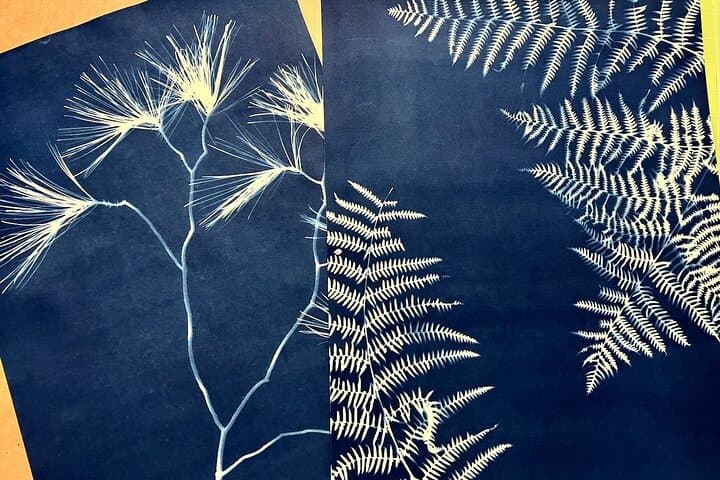
The desert sun is direct, clean, and impatient — perfect for making cyanotypes. You arrive at a shaded table on a dry arroyo edge, the light sharp enough to silhouette a feather or leaf in a single exposure. The instructor prepares emulsions while wind moves skeletal branches like quiet hands arranging props.
The desert sun is direct, clean, and impatient — perfect for making cyanotypes. You arrive at a shaded table on a dry arroyo edge, the light sharp enough to silhouette a feather or leaf in a single exposure. The instructor prepares emulsions while wind moves skeletal branches like quiet hands arranging props.
Cyanotype printing dates to the 19th century, used by engineers and botanists before photographers widened its appeal. Here the method meets the Colorado Desert’s geology: ancient alluvial fans, wind-polished rocks, and salt-flat light that exaggerates blues and shadows. Palm Springs sits on Cahuilla land; local plants and found objects often become the workshop’s raw materials, connecting art practice to regional culture.
Expect hands-on instruction on coating paper, working with digital negatives, and exposing prints using sunlight and found objects. No darkroom is required; the process is chemical but straightforward, producing vivid Prussian-blue images you can rinse and dry the same day. The class supplies paper, chemicals, and up to 10 finished 9×12 prints to take home.
Practical notes: plan for sun and wind — bring a brimmed hat and clips to secure thin paper. Morning light is strongest and most consistent in summer; shoulder seasons give gentler exposure times. Wear comfortable shoes for sandy ground and avoid trampling plants when gathering natural shapes. The workshop is suitable for beginners; it’s a tactile way to leave with both memories and original art that carry the desert’s light home.