THE ADVENTURE COLLECTIVE® · Independent discovery and booking for outdoor travel

A compact 48-hour circuit across Egypt’s Western Desert that pairs the basalt ridges of the Black Desert with the lunar chalk sculptures of the White Desert. Expect long drives, short walks, dramatic light, and an overnight under desert skies.
A compact 48-hour circuit across Egypt’s Western Desert that pairs the basalt ridges of the Black Desert with the lunar chalk sculptures of the White Desert. Expect long drives, short walks, dramatic light, and an overnight under desert skies.
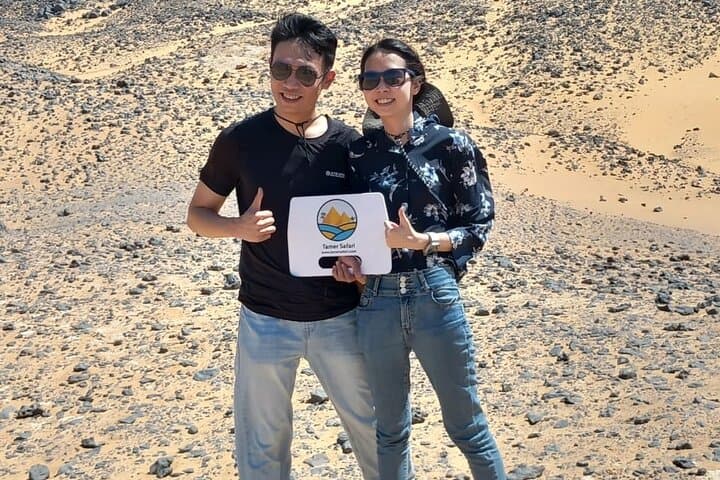
You pull away from Luxor before dawn and watch the Nile slip from view as road and scrub take over; by midafternoon the landscape changes again—black volcanic ridges rise like scorched waves, then an expanse of chalk forms appears, bright and strange against the sky.
Verified experiences and guided adventures in the surrounding area.
Operated by Tamer Safari · Farafra, New Valley Governorate
You pull away from Luxor before dawn and watch the Nile slip from view as road and scrub take over; by midafternoon the landscape changes again—black volcanic ridges rise like scorched waves, then an expanse of chalk forms appears, bright and strange against the sky.
The White and Black Deserts sit inside Egypt’s Western Desert, part of the Sahara. The Black Desert’s basalt-strewn slopes come from ancient volcanic activity; the White Desert is carved from soft chalk and limestone, weathered into mushroom and animal-like sculptures over tens of thousands of years. Oases such as Bahariya and Farafra were traditional caravan stops and still host small farming communities and Bedouin guides who read the wind and sand.
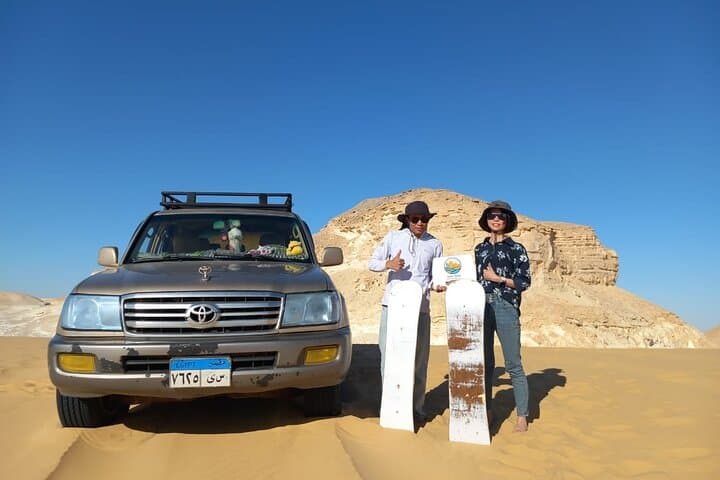
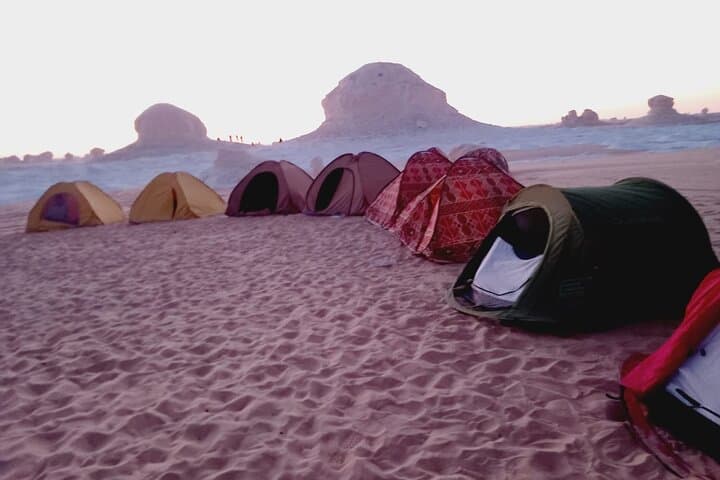
On a two-day circuit you’ll cross wide sand flats, climb a viewing shoulder in the Black Desert, inspect the quartz on Crystal Mountain, and wander between surreal chalk pillars as the light shifts at dusk. Nights are quiet and very dark—ideal for stargazing—but temperatures swing hard.
Practical guidance: the trip is mostly vehicle-based with short walks; expect dusty terrain, uneven sand and rock, and full-day driving segments (Luxor–Bahariya is a long transfer). Bring 3–4 liters of water per person per day, sun protection, sturdy shoes for short hikes, and windproof layers for night camp. Start early to avoid peak heat and follow guide instructions around fragile formations—these chalk sculptures erode easily and are protected.
easy.
2 days (approx. 48 hours).
Suitable for travelers comfortable with long vehicle transfers and short, easy walks; no sustained endurance required.
Expect long transfers—Luxor to Bahariya is a multi-hour drive (often 6–7 hours with stops); much of the tour is vehicle-based with shorter excursions at desert sites.
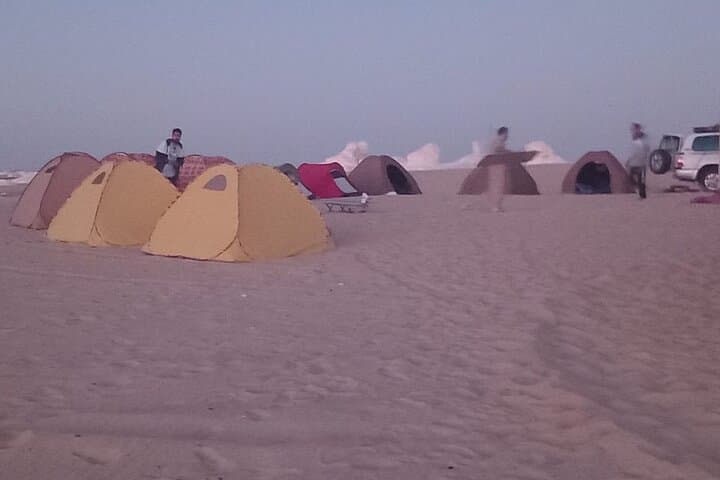
Yes—overnight desert camps are typically basic: sleeping mats or simple tents, communal meals, and shared facilities; bring personal sleeping layers if you prefer more warmth.
No personal permit is usually required for standard guided tours, but access is regulated and visits should be with licensed operators to protect the park.
Wildlife sightings are limited but include small mammals and birds; animals are not typically dangerous—maintain distance and avoid feeding or disturbing wildlife.
Oases in the Western Desert were traditional caravan and trade stops; the chalk and basalt landscapes record ancient marine deposits and volcanic episodes shaped over millions of years.
The chalk formations are fragile; stick to paths, avoid climbing on sculptures, pack out all waste, and use licensed guides who practice low-impact camping.
Tamer Safari operates guided outdoor trips and adventures with an emphasis on safety, stewardship, and memorable experiences.
You pull away from Luxor before dawn and watch the Nile slip from view as road and scrub take over; by midafternoon the landscape changes again—black volcanic ridges rise like scorched waves, then an expanse of chalk forms appears, bright and strange against the sky.
You pull away from Luxor before dawn and watch the Nile slip from view as road and scrub take over; by midafternoon the landscape changes again—black volcanic ridges rise like scorched waves, then an expanse of chalk forms appears, bright and strange against the sky.
The White and Black Deserts sit inside Egypt’s Western Desert, part of the Sahara. The Black Desert’s basalt-strewn slopes come from ancient volcanic activity; the White Desert is carved from soft chalk and limestone, weathered into mushroom and animal-like sculptures over tens of thousands of years. Oases such as Bahariya and Farafra were traditional caravan stops and still host small farming communities and Bedouin guides who read the wind and sand.
On a two-day circuit you’ll cross wide sand flats, climb a viewing shoulder in the Black Desert, inspect the quartz on Crystal Mountain, and wander between surreal chalk pillars as the light shifts at dusk. Nights are quiet and very dark—ideal for stargazing—but temperatures swing hard.
Practical guidance: the trip is mostly vehicle-based with short walks; expect dusty terrain, uneven sand and rock, and full-day driving segments (Luxor–Bahariya is a long transfer). Bring 3–4 liters of water per person per day, sun protection, sturdy shoes for short hikes, and windproof layers for night camp. Start early to avoid peak heat and follow guide instructions around fragile formations—these chalk sculptures erode easily and are protected.