THE ADVENTURE COLLECTIVE® · Independent discovery and booking for outdoor travel

Private SUVs shuttle guests from Denver International to Vail in 2–5 hours depending on conditions. Drivers are experienced in mountain routes and the service includes onboard Wi‑Fi, bottled water, and flexible drop‑offs across the Vail Valley.
Private SUVs shuttle guests from Denver International to Vail in 2–5 hours depending on conditions. Drivers are experienced in mountain routes and the service includes onboard Wi‑Fi, bottled water, and flexible drop‑offs across the Vail Valley.
You step out of Denver International’s terminal into a cold, clean air that tastes faintly of snowmelt and jet exhaust. The SUV idles with a quiet authority; leather seats warm, tires studded for winter or grippy year-round rubber, and a driver who knows the highway like a second map. As the city recedes, the plains fold into the Front Range and then the interstate climbs. The Eisenhower Tunnel rises above you; the mountains keep time with the rhythm of the road.
Verified experiences and guided adventures in the surrounding area.
Operated by Prive' · Vail, Colorado
You step out of Denver International’s terminal into a cold, clean air that tastes faintly of snowmelt and jet exhaust. The SUV idles with a quiet authority; leather seats warm, tires studded for winter or grippy year-round rubber, and a driver who knows the highway like a second map. As the city recedes, the plains fold into the Front Range and then the interstate climbs. The Eisenhower Tunnel rises above you; the mountains keep time with the rhythm of the road.
This transfer follows a route that traces Colorado’s transportation history — from the old highway switchbacks used by early miners to modern I‑70 that threads bore and ridge through the Rockies. Geologically, you cross uplifted Precambrian granites, Tertiary volcanic scars, and the narrow bowl of the Eagle River valley as you descend into Vail. Culturally the corridor links Denver’s urban energy to Vail’s resort economy — ranching and skiing coexist with international visitors and alpine gastronomy.
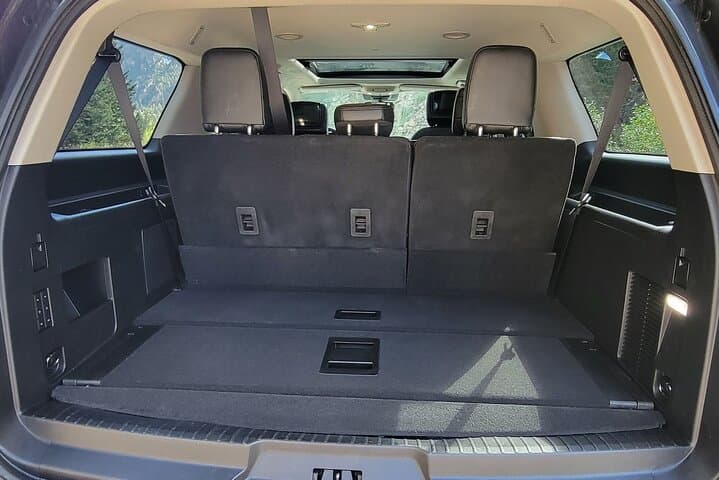
Expect variable travel times: 2–3 hours in clear weather, longer with traffic or storms. Drivers will choose the safest route: tunnel or Lincoln Slide detours when highways close. Practical prep matters — bring layers for the altitude change, keep travel documents handy for airport pickup on Level 5 West (Doors 506/508), and confirm child seats if needed. Amenities like onboard Wi‑Fi and bottled water make the ride productive; large SUVs fit up to six and luggage for a week of mountain time. For first-time visitors, the descent into Vail Valley is the reveal: aspens lean like an audience and the river dares you closer to the town’s lift towers and high-country trails.
easy.
2–5 hours.
Suitable for all fitness levels — this is a chauffeured transfer rather than a hike or climb.
Under clear conditions the drive typically takes about 2–3 hours; allow up to 5 hours for heavy traffic or winter weather.
Pickups are on Level 5, West side, near Doors 506/508 — confirm the exact meeting point and flight tracking when you book.
Yes — booster and child seats are available upon request but should be requested at booking to ensure availability and proper installation.
Private transfers often allow reasonable stops; confirm with your driver for timing and any additional fees before departure.
The I‑70 corridor mirrors Colorado’s growth from stagecoach and mining routes to modern interstate travel; the Eisenhower Tunnel (opened 1973) shortened the trans‑mountain crossing significantly.
Winter operations stress alpine ecosystems — stick to roadways and marked pullouts, and minimize idling to reduce emissions; support local programs that protect riparian corridors in Vail Valley.
Prive' operates guided outdoor trips and adventures with an emphasis on safety, stewardship, and memorable experiences.
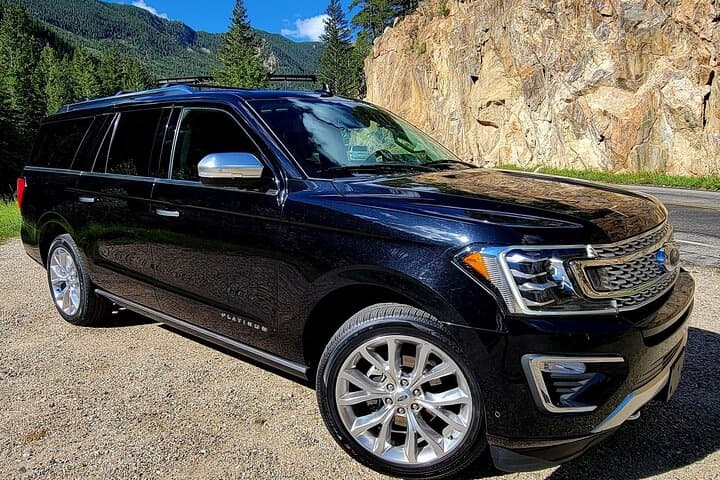
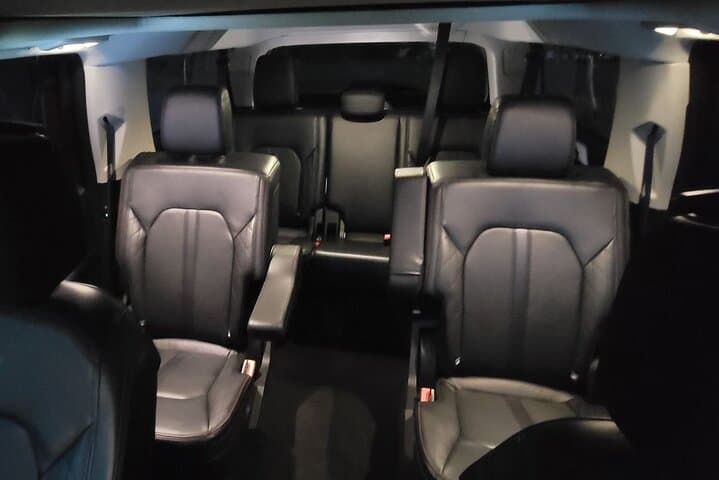
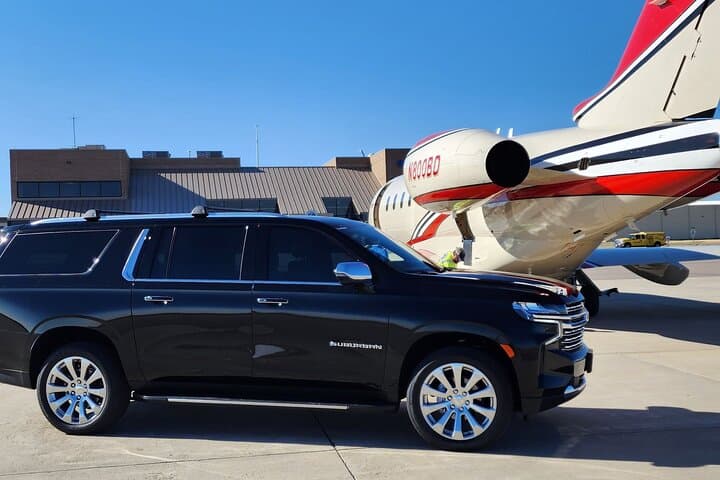
You step out of Denver International’s terminal into a cold, clean air that tastes faintly of snowmelt and jet exhaust. The SUV idles with a quiet authority; leather seats warm, tires studded for winter or grippy year-round rubber, and a driver who knows the highway like a second map. As the city recedes, the plains fold into the Front Range and then the interstate climbs. The Eisenhower Tunnel rises above you; the mountains keep time with the rhythm of the road.
You step out of Denver International’s terminal into a cold, clean air that tastes faintly of snowmelt and jet exhaust. The SUV idles with a quiet authority; leather seats warm, tires studded for winter or grippy year-round rubber, and a driver who knows the highway like a second map. As the city recedes, the plains fold into the Front Range and then the interstate climbs. The Eisenhower Tunnel rises above you; the mountains keep time with the rhythm of the road.
This transfer follows a route that traces Colorado’s transportation history — from the old highway switchbacks used by early miners to modern I‑70 that threads bore and ridge through the Rockies. Geologically, you cross uplifted Precambrian granites, Tertiary volcanic scars, and the narrow bowl of the Eagle River valley as you descend into Vail. Culturally the corridor links Denver’s urban energy to Vail’s resort economy — ranching and skiing coexist with international visitors and alpine gastronomy.
Expect variable travel times: 2–3 hours in clear weather, longer with traffic or storms. Drivers will choose the safest route: tunnel or Lincoln Slide detours when highways close. Practical prep matters — bring layers for the altitude change, keep travel documents handy for airport pickup on Level 5 West (Doors 506/508), and confirm child seats if needed. Amenities like onboard Wi‑Fi and bottled water make the ride productive; large SUVs fit up to six and luggage for a week of mountain time. For first-time visitors, the descent into Vail Valley is the reveal: aspens lean like an audience and the river dares you closer to the town’s lift towers and high-country trails.