THE ADVENTURE COLLECTIVE® · Independent discovery and booking for outdoor travel

Walk Denver’s North RiNo district with locals who know the artists, the backstories, and the turning gears behind the city’s most vivid murals. It’s an easy two-hour loop that reveals a living gallery—and a neighborhood in motion.
Walk Denver’s North RiNo district with locals who know the artists, the backstories, and the turning gears behind the city’s most vivid murals. It’s an easy two-hour loop that reveals a living gallery—and a neighborhood in motion.
Color rushes down Walnut Street like a river that refuses to stay inside its banks. Walls flash with jaguars, jazz horns, and bold-lettered manifestos. In Denver’s North RiNo, the concrete has a voice—and on this two-hour walking tour, it speaks in layers of paint, history, and change. The breeze nudges wheat-paste posters; an alleywide mural seems to lean forward, daring you to step closer and read the city’s evolving story.
Verified experiences and guided adventures in the surrounding area.
Operated by Denver Graffiti Tour · Denver, Colorado
Color rushes down Walnut Street like a river that refuses to stay inside its banks. Walls flash with jaguars, jazz horns, and bold-lettered manifestos. In Denver’s North RiNo, the concrete has a voice—and on this two-hour walking tour, it speaks in layers of paint, history, and change. The breeze nudges wheat-paste posters; an alleywide mural seems to lean forward, daring you to step closer and read the city’s evolving story.
Locals guide the route, translating the visual language that blankets warehouses and rail-spur facades. You’ll pause at 20–30 standout pieces (and pass nearly a hundred more), hearing how crews coordinated multi-story productions and how a single color can shift a narrative. This is not just who-painted-what. It’s a look at the culture of the district—how a former industrial zone along the rail lines and South Platte River became a creative engine. RiNo’s boom is writ large here: new hotels and breweries shoulder up to paint-splashed brick, and both the art and artists adapt in real time.
Street art in Denver has momentum. Annual mural programs and festival roots (once CRUSH; evolving projects now shape the scene) keep the walls in motion—work turns over, artists return, and fresh voices arrive. Expect to learn why certain corridors—Walnut, Blake, Brighton—pull talent, how permission walls work, and where legal gray areas live. There’s candor, too, about gentrification’s pressure on studios and longtime residents, and how community-led commissions aim to protect the neighborhood’s creative DNA.
On the ground, the walking is easy: roughly 1–1.5 miles on flat sidewalks with curb cuts, fully wheelchair and stroller friendly. Bring a water bottle; mile-high sun hits harder than it looks, even on cool days. Comfortable shoes matter—your eyes will be up, but your feet will cover a surprising number of corners. Photographers will find color that pops even at midday; overcast skies can be a gift, softening glare and letting textures breathe.
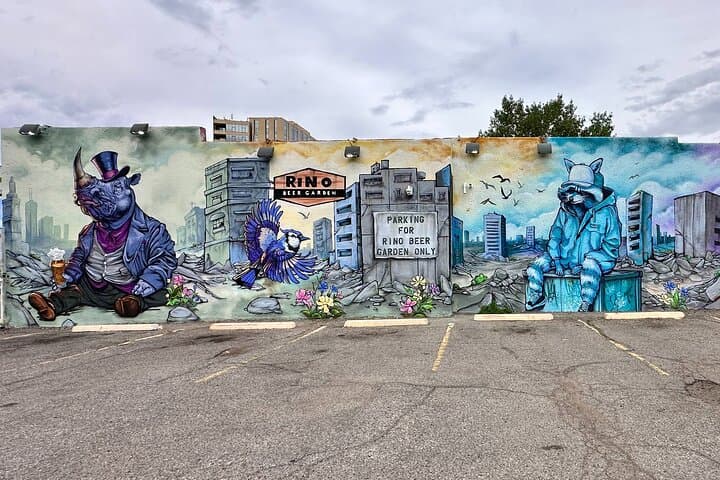
Logistically, it’s straightforward. The tour meets by the mural at RiNo Beer Garden on Walnut Street and wraps near the Catbird Hotel. If you’re car-free, the RTD A Line stops at 38th & Blake; from there, it’s a short walk. Post-tour, the district rewards lingering: breweries with patio shade, small galleries, and coffee windows that trade latte art for mural talk. The walls here don’t just decorate—they push forward, urging you to listen, look twice, and leave with paint under your skin, if not your fingernails.
easy.
2 hours.
Comfortable walking on flat urban terrain for up to 2 hours with frequent standing breaks.
Expect roughly 1–1.5 miles over two hours on flat sidewalks with frequent stops for discussion and photos.
Yes. The route uses sidewalks with curb cuts and avoids stairs; notify the guide if you have specific accessibility needs.
Families are welcome. Content is street-art focused; some pieces may include edgy themes—guides can flag alternatives as needed.
Tours run in light rain or cold; severe weather may trigger rescheduling or refunds per the operator’s policy.
Absolutely—photography is encouraged. Avoid blocking sidewalks and respect artists at work if you encounter them.
Limited street parking is available; avoid the private lot at the meeting point. Transit via the A Line to 38th & Blake is recommended.
RiNo (River North) evolved from a warehouse-and-foundry district tied to rail and the South Platte into Denver’s creative hub in the 2000s, as murals and maker spaces filled industrial shells. Festival-driven mural cycles cemented its identity and continue to refresh the walls.
Use sidewalks, don’t peel stickers or tags, and pack out coffee cups. Support the scene by buying from local galleries or artists’ merch—economic respect sustains creative communities.
Denver Graffiti Tour operates guided outdoor trips and adventures with an emphasis on safety, stewardship, and memorable experiences.
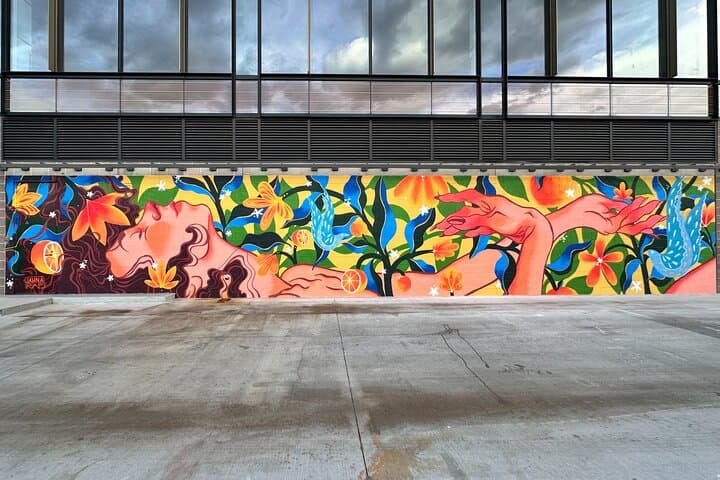
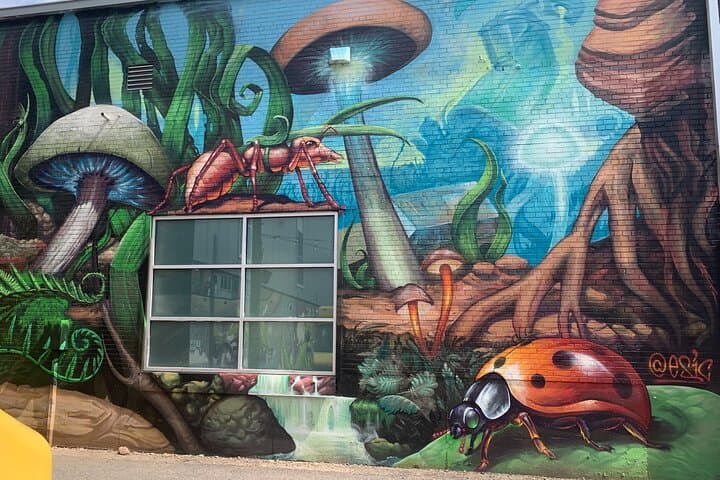
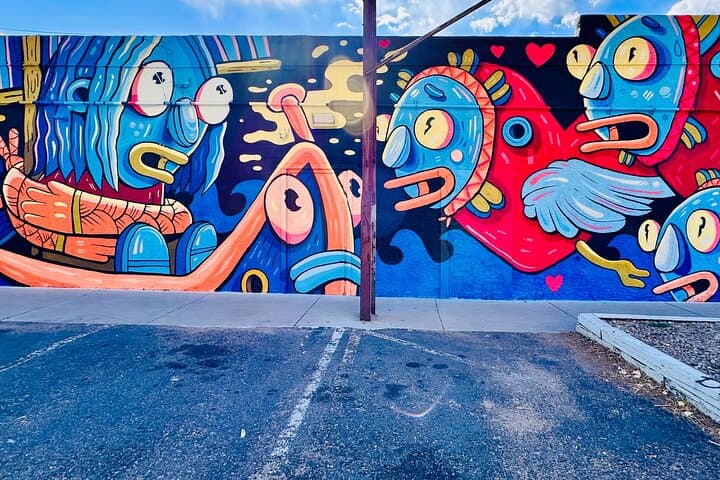
Color rushes down Walnut Street like a river that refuses to stay inside its banks. Walls flash with jaguars, jazz horns, and bold-lettered manifestos. In Denver’s North RiNo, the concrete has a voice—and on this two-hour walking tour, it speaks in layers of paint, history, and change. The breeze nudges wheat-paste posters; an alleywide mural seems to lean forward, daring you to step closer and read the city’s evolving story.
Color rushes down Walnut Street like a river that refuses to stay inside its banks. Walls flash with jaguars, jazz horns, and bold-lettered manifestos. In Denver’s North RiNo, the concrete has a voice—and on this two-hour walking tour, it speaks in layers of paint, history, and change. The breeze nudges wheat-paste posters; an alleywide mural seems to lean forward, daring you to step closer and read the city’s evolving story.
Locals guide the route, translating the visual language that blankets warehouses and rail-spur facades. You’ll pause at 20–30 standout pieces (and pass nearly a hundred more), hearing how crews coordinated multi-story productions and how a single color can shift a narrative. This is not just who-painted-what. It’s a look at the culture of the district—how a former industrial zone along the rail lines and South Platte River became a creative engine. RiNo’s boom is writ large here: new hotels and breweries shoulder up to paint-splashed brick, and both the art and artists adapt in real time.
Street art in Denver has momentum. Annual mural programs and festival roots (once CRUSH; evolving projects now shape the scene) keep the walls in motion—work turns over, artists return, and fresh voices arrive. Expect to learn why certain corridors—Walnut, Blake, Brighton—pull talent, how permission walls work, and where legal gray areas live. There’s candor, too, about gentrification’s pressure on studios and longtime residents, and how community-led commissions aim to protect the neighborhood’s creative DNA.
On the ground, the walking is easy: roughly 1–1.5 miles on flat sidewalks with curb cuts, fully wheelchair and stroller friendly. Bring a water bottle; mile-high sun hits harder than it looks, even on cool days. Comfortable shoes matter—your eyes will be up, but your feet will cover a surprising number of corners. Photographers will find color that pops even at midday; overcast skies can be a gift, softening glare and letting textures breathe.
Logistically, it’s straightforward. The tour meets by the mural at RiNo Beer Garden on Walnut Street and wraps near the Catbird Hotel. If you’re car-free, the RTD A Line stops at 38th & Blake; from there, it’s a short walk. Post-tour, the district rewards lingering: breweries with patio shade, small galleries, and coffee windows that trade latte art for mural talk. The walls here don’t just decorate—they push forward, urging you to listen, look twice, and leave with paint under your skin, if not your fingernails.