THE ADVENTURE COLLECTIVE® · Independent discovery and booking for outdoor travel

Experience the sensation of free-fall without an airplane at iFLY Lone Tree. This two-flight wind tunnel session pairs expert instruction with a personalized certificate — ideal for first-timers and repeat flyers.
Experience the sensation of free-fall without an airplane at iFLY Lone Tree. This two-flight wind tunnel session pairs expert instruction with a personalized certificate — ideal for first-timers and repeat flyers.
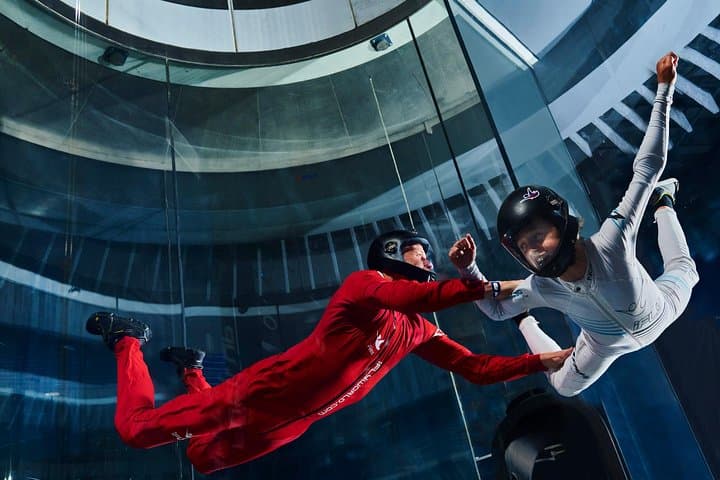
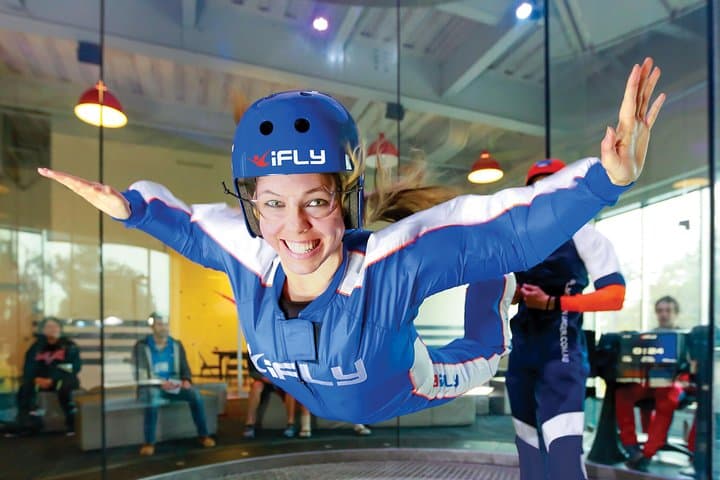
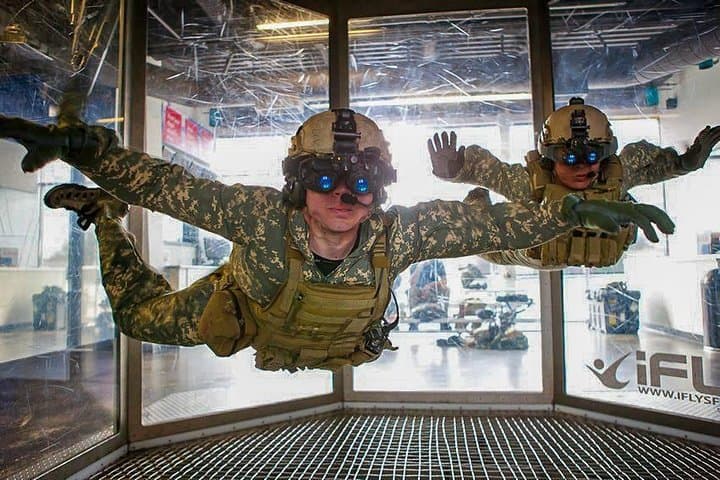
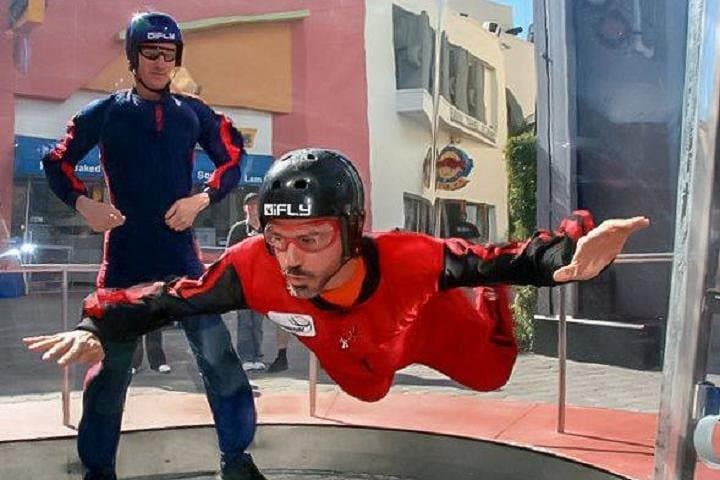
You step into a hangar-light space where the air itself does the work — a vertical wind tunnel that lifts you slowly, reliably, until your feet leave the ground. At iFLY Lone Tree, instructors guide first-timers through a short briefing before placing you into a flight suit and into a sheet of controlled wind that mimics free fall.
Verified experiences and guided adventures in the surrounding area.
Operated by iFLY Indoor Skydiving · Lone Tree, CO
You step into a hangar-light space where the air itself does the work — a vertical wind tunnel that lifts you slowly, reliably, until your feet leave the ground. At iFLY Lone Tree, instructors guide first-timers through a short briefing before placing you into a flight suit and into a sheet of controlled wind that mimics free fall.
Indoor skydiving grew out of aerodynamic research and stunt training in the 20th century; modern commercial tunnels make the sensation of skydiving accessible without an airplane or parachute. In Denver, the experience sits at the edge of the South Metro plain, with the Front Range rising to the west — a cultural crossroads of outdoor sports, aviation history, and suburban recreation.
The facility itself is engineered: glass viewing galleries, padded flight decks, and a powerful fan system that pushes air vertically at controlled speeds. The session blends physical technique and timing — instructors cue body position, arms and legs becoming rudders as the airflow responds.
Practical points: arrive 10–15 minutes early for check-in and waivers, wear lace-up sneakers, and expect two short flights totaling a few minutes of actual airtime within a 75-minute session. Weight and medical restrictions apply; children as young as three can participate with guardian consent. Afterward, you’ll receive a personalized certificate and coaching notes if you want to build toward advanced maneuvers.
For people who love the sensation of flight but prefer a contained, repeatable environment, indoor skydiving is an efficient, low-barrier way to feel airborne and practice body flight with professional supervision.
easy.
75 minutes (includes briefing and gear).
Suitable for most fitness levels; basic mobility and ability to follow instructor cues required
Flights are short — usually two flights totaling a few minutes of airtime — packaged within a 75-minute session that includes briefing and gear fitting.
Minimum age is typically 3; weight limits are enforced for safety (max ~300 lbs) and additional checks may be required for flyers between 260–300 lbs.
No prior experience is needed; certified instructors provide a training briefing and hands-on guidance throughout your flights.
Facility policies vary; personal cameras are usually not allowed in the flight chamber, but there are often viewing windows and staff may offer official photo or video packages.
Indoor skydiving evolved from aeronautical research and film stunt work; modern commercial tunnels brought the sport into public recreation. Lone Tree sits near Denver’s aviation and outdoor-sport culture, making flight experiences popular here.
Facilities aim to limit environmental impact by centralizing repeated flights indoors rather than plane-based jumps; visitors can reduce waste by bringing reusable water bottles and following local recycling practices.
iFLY Indoor Skydiving operates guided outdoor trips and adventures with an emphasis on safety, stewardship, and memorable experiences.
You step into a hangar-light space where the air itself does the work — a vertical wind tunnel that lifts you slowly, reliably, until your feet leave the ground. At iFLY Lone Tree, instructors guide first-timers through a short briefing before placing you into a flight suit and into a sheet of controlled wind that mimics free fall.
You step into a hangar-light space where the air itself does the work — a vertical wind tunnel that lifts you slowly, reliably, until your feet leave the ground. At iFLY Lone Tree, instructors guide first-timers through a short briefing before placing you into a flight suit and into a sheet of controlled wind that mimics free fall.
Indoor skydiving grew out of aerodynamic research and stunt training in the 20th century; modern commercial tunnels make the sensation of skydiving accessible without an airplane or parachute. In Denver, the experience sits at the edge of the South Metro plain, with the Front Range rising to the west — a cultural crossroads of outdoor sports, aviation history, and suburban recreation.
The facility itself is engineered: glass viewing galleries, padded flight decks, and a powerful fan system that pushes air vertically at controlled speeds. The session blends physical technique and timing — instructors cue body position, arms and legs becoming rudders as the airflow responds.
Practical points: arrive 10–15 minutes early for check-in and waivers, wear lace-up sneakers, and expect two short flights totaling a few minutes of actual airtime within a 75-minute session. Weight and medical restrictions apply; children as young as three can participate with guardian consent. Afterward, you’ll receive a personalized certificate and coaching notes if you want to build toward advanced maneuvers.
For people who love the sensation of flight but prefer a contained, repeatable environment, indoor skydiving is an efficient, low-barrier way to feel airborne and practice body flight with professional supervision.