THE ADVENTURE COLLECTIVE® · Independent discovery and booking for outdoor travel

A private door-to-door transfer from Denver International Airport to Winter Park gets you from runway to resort with minimal fuss. Expect a 1.5–2 hour drive through growing foothills, with winter road protocols and luggage assistance included.
A private door-to-door transfer from Denver International Airport to Winter Park gets you from runway to resort with minimal fuss. Expect a 1.5–2 hour drive through growing foothills, with winter road protocols and luggage assistance included.
You step out of the cavernous Denver International arrivals hall and breathe cold, thin Colorado air that hints at the mountains ahead. The driver is waiting with a nameplate; luggage is loaded and the cityscape gives way to highway—punctuated by wide prairie, the rise of blue ridgelines, then the familiar slash of I-70 west before you thread north toward Winter Park.
Verified experiences and guided adventures in the surrounding area.
Operated by taxiGo Limo Airport Service · Winter Park, Colorado
You step out of the cavernous Denver International arrivals hall and breathe cold, thin Colorado air that hints at the mountains ahead. The driver is waiting with a nameplate; luggage is loaded and the cityscape gives way to highway—punctuated by wide prairie, the rise of blue ridgelines, then the familiar slash of I-70 west before you thread north toward Winter Park.
The route skirts the eastern edge of the Rockies and follows corridors shaped by rail and river: early 20th-century transcontinental ambitions dug the Moffat Tunnel and opened access to the Fraser River basin. Geologically this is young, uplifted rock—granites and sedimentary benches carved by glaciers and winter runoff that now define the valley where Winter Park Ski Resort crouches below soaring peaks.
Culturally, Winter Park is a working ski town with a history rooted in rail service and winter sport, where hospitality is practical—bag storage, hot coffee, early starts. Drivers who run DEN–Winter Park are used to winter protocols: chains, cautious descents and guest assistance.
Practically, expect 1.5–2 hours of travel in normal conditions; the operator tracks flights and offers child seats on request. In winter, mountain weather dictates timing—give yourself buffer for snow operations and arrive with layered clothing and phone fully charged. Confirm your pickup point at DEN (concourses differ) and communicate flight delays; a tracked flight paired with a private vehicle minimizes stress and gets you straight from plane to slopes with minimal fuss.
easy.
1.5–2 hours.
No particular fitness required—this is a seated transfer suitable for travelers of all abilities.
Provide your terminal, concourse and flight number when booking; drivers typically meet at the designated ground transportation or curbside area with a nameplate.
Typical drive time is about 110 minutes (1.5–2 hours) depending on traffic and weather conditions; winter operations can add time.
Yes—vehicles offer additional fastenings and space for sports equipment, but note size limits if you have oversized gear and confirm when booking.
The operator tracks flights and adjusts pickup accordingly; still call or message if your delay is substantial so the driver can plan around route and timing.
Winter Park grew from early 20th-century rail access and was developed as a ski destination in the late 1930s and 1940s, leveraging railroad and road corridors that opened the Fraser Valley to tourism.
Heavy winter traffic and seasonal development pressure the Fraser River corridor—favor consolidated transfers, avoid idling, and stay on designated roads and parking to minimize wildlife disturbance.
taxiGo Limo Airport Service operates guided outdoor trips and adventures with an emphasis on safety, stewardship, and memorable experiences.
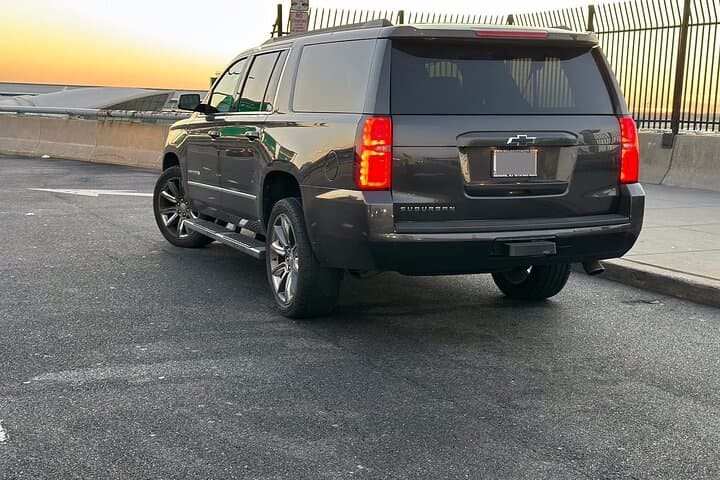
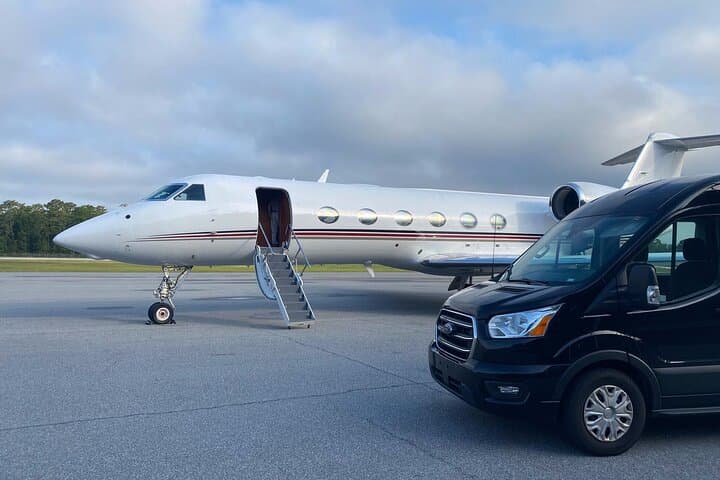
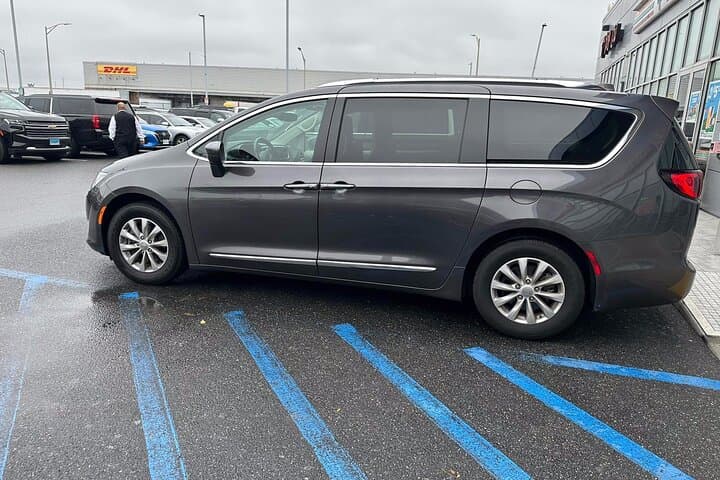
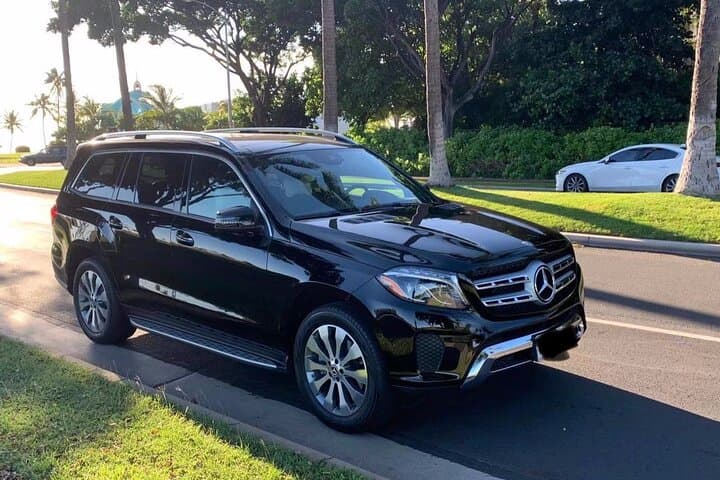
You step out of the cavernous Denver International arrivals hall and breathe cold, thin Colorado air that hints at the mountains ahead. The driver is waiting with a nameplate; luggage is loaded and the cityscape gives way to highway—punctuated by wide prairie, the rise of blue ridgelines, then the familiar slash of I-70 west before you thread north toward Winter Park.
You step out of the cavernous Denver International arrivals hall and breathe cold, thin Colorado air that hints at the mountains ahead. The driver is waiting with a nameplate; luggage is loaded and the cityscape gives way to highway—punctuated by wide prairie, the rise of blue ridgelines, then the familiar slash of I-70 west before you thread north toward Winter Park.
The route skirts the eastern edge of the Rockies and follows corridors shaped by rail and river: early 20th-century transcontinental ambitions dug the Moffat Tunnel and opened access to the Fraser River basin. Geologically this is young, uplifted rock—granites and sedimentary benches carved by glaciers and winter runoff that now define the valley where Winter Park Ski Resort crouches below soaring peaks.
Culturally, Winter Park is a working ski town with a history rooted in rail service and winter sport, where hospitality is practical—bag storage, hot coffee, early starts. Drivers who run DEN–Winter Park are used to winter protocols: chains, cautious descents and guest assistance.
Practically, expect 1.5–2 hours of travel in normal conditions; the operator tracks flights and offers child seats on request. In winter, mountain weather dictates timing—give yourself buffer for snow operations and arrive with layered clothing and phone fully charged. Confirm your pickup point at DEN (concourses differ) and communicate flight delays; a tracked flight paired with a private vehicle minimizes stress and gets you straight from plane to slopes with minimal fuss.