THE ADVENTURE COLLECTIVE® · Independent discovery and booking for outdoor travel

Taste your way through a bustling Denpasar night market with a local guide, sampling street classics and seasonal tropical fruit before a relaxed riverside picnic. This three-hour food tour pairs practical market know-how with the chance to experience Balinese daily life up close.
Taste your way through a bustling Denpasar night market with a local guide, sampling street classics and seasonal tropical fruit before a relaxed riverside picnic. This three-hour food tour pairs practical market know-how with the chance to experience Balinese daily life up close.
The market lights glow against warm night air as you step from a busy street into an alley of sizzling woks and heaped tropical fruit. Vendors call softly over the steam; the smell of sweet coconut, charred shallot and fried rice threads through the crowd. A local guide steers you toward stalls serving nasi goreng, nasi campur and small, rolled pancakes called dadar gulung — each bite anchored in family recipes and everyday ritual.
Verified experiences and guided adventures in the surrounding area.
Operated by Bali Culinary Tours · Denpasar, Bali
The market lights glow against warm night air as you step from a busy street into an alley of sizzling woks and heaped tropical fruit. Vendors call softly over the steam; the smell of sweet coconut, charred shallot and fried rice threads through the crowd. A local guide steers you toward stalls serving nasi goreng, nasi campur and small, rolled pancakes called dadar gulung — each bite anchored in family recipes and everyday ritual.
Denpasar’s market life grew from Bali’s rice-based economy and volcanic soils that support intense, seasonal fruiting — mango, salak and jackfruit crowding tables beside jars of homemade sweets. The market itself functions as a social engine: vendors, delivery cyclists and neighbors exchanging news across generations.
After sampling, the tour moves to a nearby riverbank where the water becomes a patient companion, cooling the evening and offering a local spot for conversation. Expect practical lessons from your guide: how to read a stall, what to ask for, and which flavors mark ceremonial food versus street snacks.
Plan for crowds and close quarters, bring small bills and a willingness to try new textures. The walk is gentle and accessible; the focus is sensory — sound, aroma, and bold, simple flavors that tell a story of place. This is a short cultural immersion designed for food lovers who want local context as much as tasty bites.
easy.
3 hours.
Minimal fitness required — mostly walking on flat market surfaces and short transfers
Local vendors prepare food daily; choose cooked items like nasi goreng and freshly made desserts, and follow your guide’s recommendations for the safest stalls.
Yes — many stalls offer vegetable-based dishes, rice plates and fruit; notify the guide at booking for tailored stops.
Budget around IDR 100,000–200,000 (roughly $7–14) for tastings and a small souvenir, depending on how many dishes you try.
Yes — the tour notes wheelchair accessibility for meeting, transportation and market surfaces, but contact the operator in advance to confirm specifics for your needs.
Balinese market cuisine stems from a rice-centered agrarian culture and Hindu ritual kitchens; many street dishes are adaptations of home-cooked ceremonial foods.
Bring minimal packaging and avoid single-use plastic where possible; supporting small vendors keeps income local and reduces large-scale food waste.
Bali Culinary Tours operates guided outdoor trips and adventures with an emphasis on safety, stewardship, and memorable experiences.
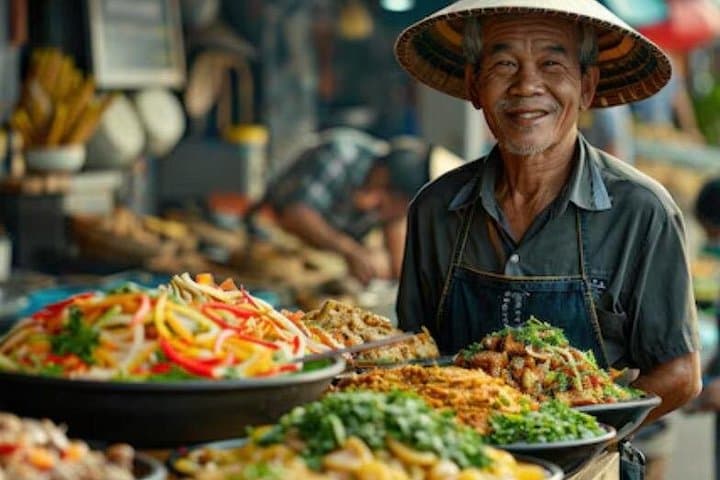
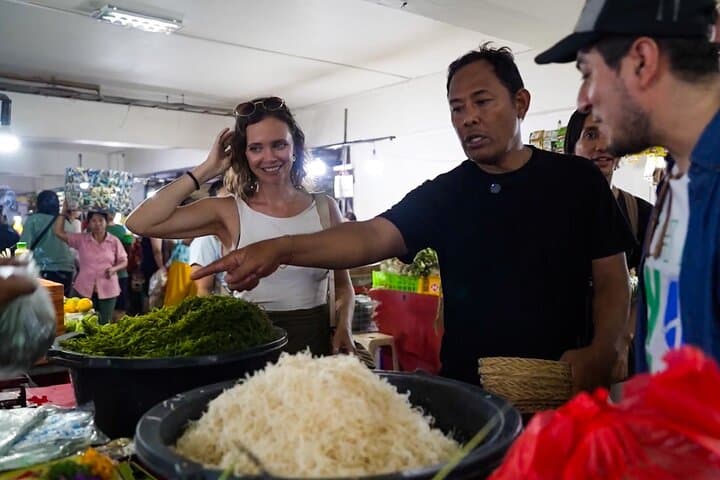
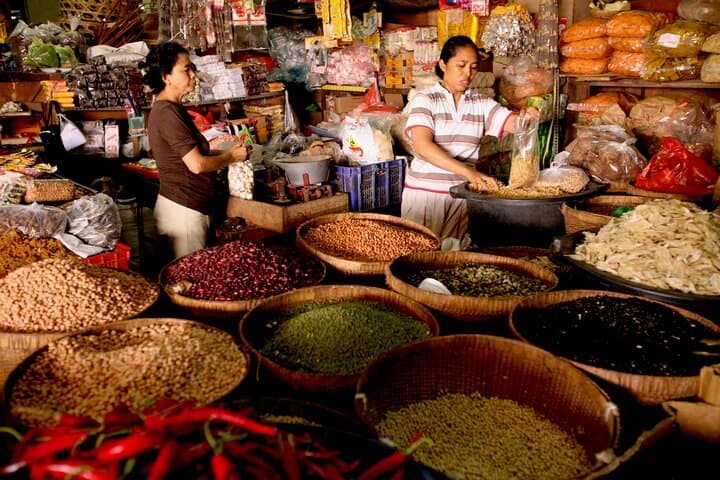
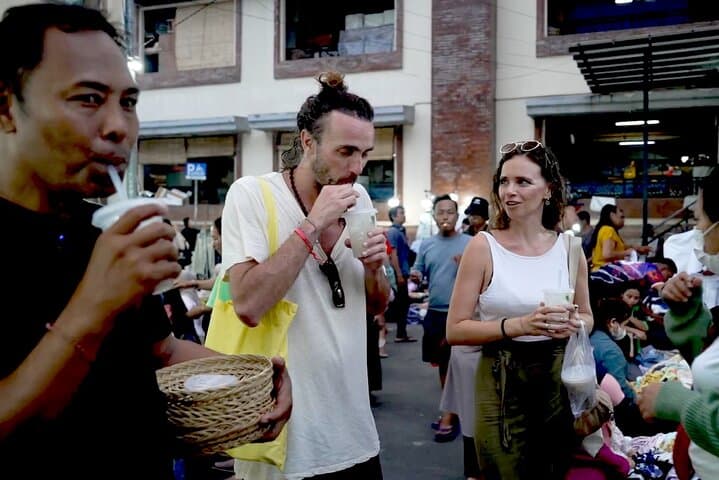
The market lights glow against warm night air as you step from a busy street into an alley of sizzling woks and heaped tropical fruit. Vendors call softly over the steam; the smell of sweet coconut, charred shallot and fried rice threads through the crowd. A local guide steers you toward stalls serving nasi goreng, nasi campur and small, rolled pancakes called dadar gulung — each bite anchored in family recipes and everyday ritual.
The market lights glow against warm night air as you step from a busy street into an alley of sizzling woks and heaped tropical fruit. Vendors call softly over the steam; the smell of sweet coconut, charred shallot and fried rice threads through the crowd. A local guide steers you toward stalls serving nasi goreng, nasi campur and small, rolled pancakes called dadar gulung — each bite anchored in family recipes and everyday ritual.
Denpasar’s market life grew from Bali’s rice-based economy and volcanic soils that support intense, seasonal fruiting — mango, salak and jackfruit crowding tables beside jars of homemade sweets. The market itself functions as a social engine: vendors, delivery cyclists and neighbors exchanging news across generations.
After sampling, the tour moves to a nearby riverbank where the water becomes a patient companion, cooling the evening and offering a local spot for conversation. Expect practical lessons from your guide: how to read a stall, what to ask for, and which flavors mark ceremonial food versus street snacks.
Plan for crowds and close quarters, bring small bills and a willingness to try new textures. The walk is gentle and accessible; the focus is sensory — sound, aroma, and bold, simple flavors that tell a story of place. This is a short cultural immersion designed for food lovers who want local context as much as tasty bites.