THE ADVENTURE COLLECTIVE® · Independent discovery and booking for outdoor travel

Spend a relaxed half day exploring Denpasar’s museum collections, the Bajra Shandi monument, and Jagat Nata Temple with hotel pick-up and an English‑speaking driver‑guide. Ideal for travelers wanting a clear, compact introduction to Bali’s capital.
Spend a relaxed half day exploring Denpasar’s museum collections, the Bajra Shandi monument, and Jagat Nata Temple with hotel pick-up and an English‑speaking driver‑guide. Ideal for travelers wanting a clear, compact introduction to Bali’s capital.
You step out of an air-conditioned van onto a wide Balinese boulevard; the city hums and vendors call, and the museum’s wooden facades welcome you with a quiet kind of authority.
Verified experiences and guided adventures in the surrounding area.
Operated by Bali Tours by Maharaja Tours · Denpasar, Bali
You step out of an air-conditioned van onto a wide Balinese boulevard; the city hums and vendors call, and the museum’s wooden facades welcome you with a quiet kind of authority.
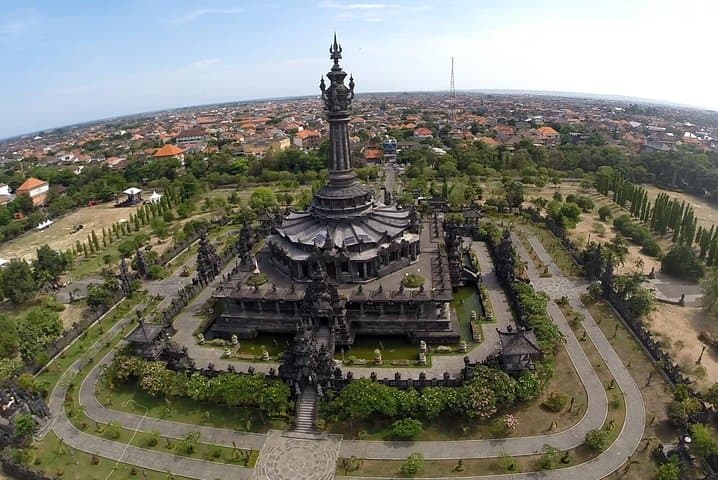
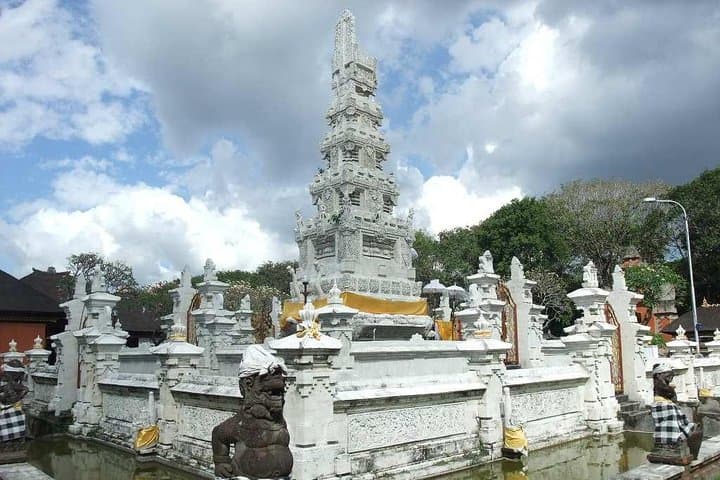
This half‑day tour moves at a deliberate pace — a museum visit that sketches Bali’s material culture, an hour at the Bajra Shandi monument that honors Balinese resistance, and a shorter stop at Jagat Nata Temple in the civic centre. Denpasar grew from royal compound and colonial administration into Bali’s administrative heart; traces of Dutch-era planning sit beside Hindu shrines and market lanes where daily life still sets the tempo.
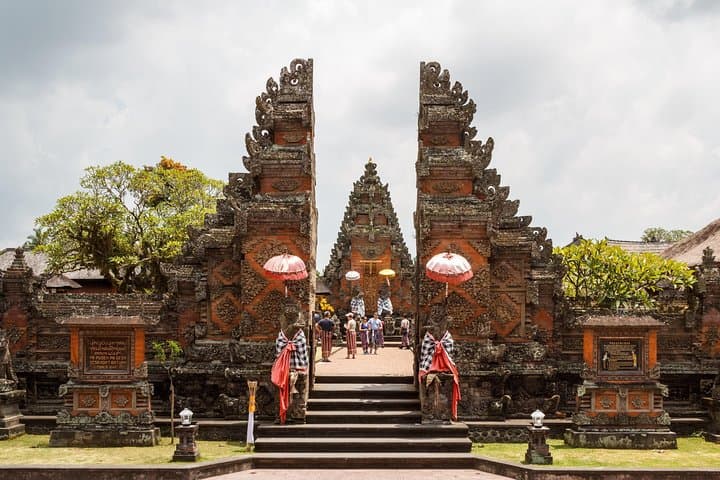
Geologically, the city is sited on alluvial plains formed by rivers draining Bali’s interior; the landscape is flat compared with the island’s volcanic spine, which makes the walking light and the views urban rather than alpine. Culturally, temple ritual and market trade intersect here — watch offerings placed at doorways and notice carving styles and textiles in the museum that echo regional village workshops.
Practical notes: expect about six hours total with hotel pick-up and drop-off, an English‑speaking driver‑guide, and short walks between sites. Wear comfortable shoes for paved roads and stairs at temple entrances, carry sun protection and a respectful sarong or scarf for temple access, and bring small change for market purchases. The itinerary suits travelers who want a curated introduction to Denpasar’s civic landmarks and cultural artifacts without long hikes or complex logistics.
easy.
6 hours.
Suitable for most fitness levels; involves short, paved walks and some stairs at temple entrances.
The tour is approximately six hours and includes private air‑conditioned transport, admission to listed sites, and a basic English‑speaking driver‑guide; hotel pickup and drop‑off are provided.
Admissions listed in the itinerary are included; additional donations at temples or optional exhibits may be paid on site.
The tour lists wheelchair and stroller accessibility for transport, but some temple areas and museum displays may have stairs or uneven surfaces—check with the operator for specific access needs.
A basic English‑speaking driver‑guide is provided; for other languages, request confirmation from the operator before booking.
Denpasar’s Bajra Shandi monument commemorates local resistance and the 20th‑century struggles that shaped modern Balinese identity; Puputan Square recalls a 1906 mass event significant in colonial history.
Respect temple rules, avoid single‑use plastics, and buy locally made crafts to support traditional artisans and reduce tourism’s footprint.
Bali Tours by Maharaja Tours operates guided outdoor trips and adventures with an emphasis on safety, stewardship, and memorable experiences.

You step out of an air-conditioned van onto a wide Balinese boulevard; the city hums and vendors call, and the museum’s wooden facades welcome you with a quiet kind of authority.
You step out of an air-conditioned van onto a wide Balinese boulevard; the city hums and vendors call, and the museum’s wooden facades welcome you with a quiet kind of authority.
This half‑day tour moves at a deliberate pace — a museum visit that sketches Bali’s material culture, an hour at the Bajra Shandi monument that honors Balinese resistance, and a shorter stop at Jagat Nata Temple in the civic centre. Denpasar grew from royal compound and colonial administration into Bali’s administrative heart; traces of Dutch-era planning sit beside Hindu shrines and market lanes where daily life still sets the tempo.
Geologically, the city is sited on alluvial plains formed by rivers draining Bali’s interior; the landscape is flat compared with the island’s volcanic spine, which makes the walking light and the views urban rather than alpine. Culturally, temple ritual and market trade intersect here — watch offerings placed at doorways and notice carving styles and textiles in the museum that echo regional village workshops.
Practical notes: expect about six hours total with hotel pick-up and drop-off, an English‑speaking driver‑guide, and short walks between sites. Wear comfortable shoes for paved roads and stairs at temple entrances, carry sun protection and a respectful sarong or scarf for temple access, and bring small change for market purchases. The itinerary suits travelers who want a curated introduction to Denpasar’s civic landmarks and cultural artifacts without long hikes or complex logistics.