THE ADVENTURE COLLECTIVE® · Independent discovery and booking for outdoor travel

Spend a day between two of Upper Egypt’s best-preserved temple complexes. This private 8-hour tour from Luxor pairs Abydos’ Seti I reliefs with Dendera’s Hathor temple and astronomical ceiling, offering a compact but rich cultural itinerary.
Spend a day between two of Upper Egypt’s best-preserved temple complexes. This private 8-hour tour from Luxor pairs Abydos’ Seti I reliefs with Dendera’s Hathor temple and astronomical ceiling, offering a compact but rich cultural itinerary.
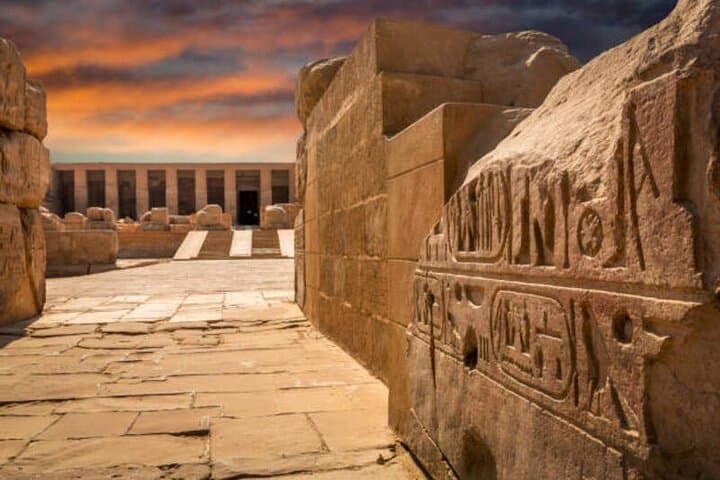
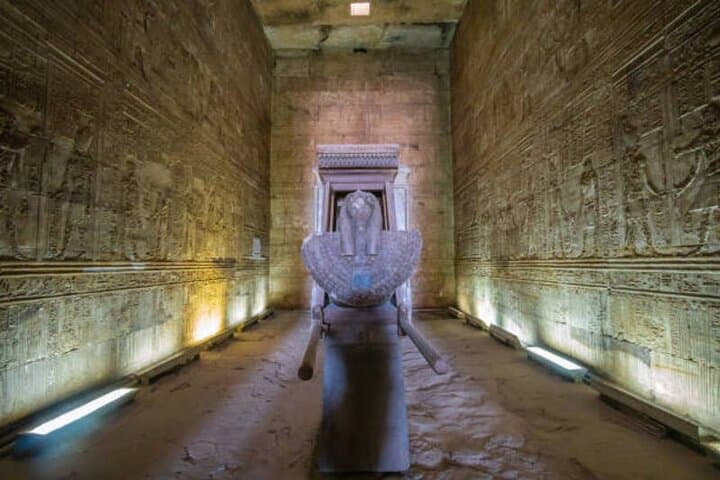
Morning light unspools across the Nile floodplain as a private A/C vehicle pulls away from Luxor toward two of Upper Egypt’s most evocative temple sites. Stone corridors at Abydos hold shadowed reliefs that demand a slow read; at Dendera, bright painted ceilings still recall ancient star charts and the laughter of Hathor.
Verified experiences and guided adventures in the surrounding area.
Operated by Egypt Travel Planning · Dendera, Qena Governorate
Morning light unspools across the Nile floodplain as a private A/C vehicle pulls away from Luxor toward two of Upper Egypt’s most evocative temple sites. Stone corridors at Abydos hold shadowed reliefs that demand a slow read; at Dendera, bright painted ceilings still recall ancient star charts and the laughter of Hathor.
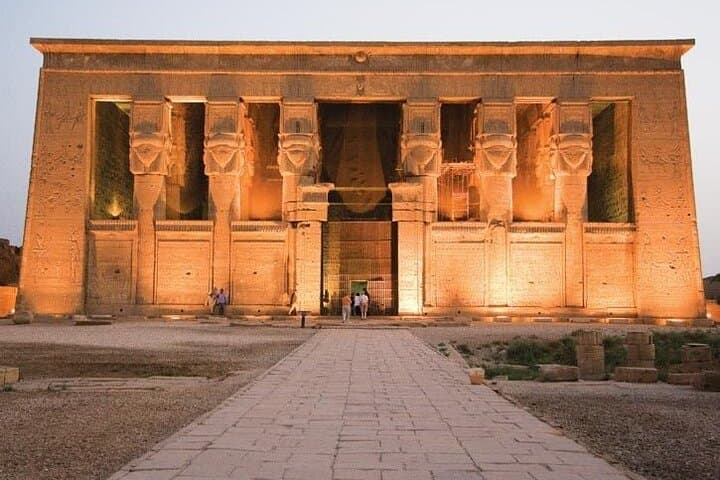
Abydos served as one of ancient Egypt’s primary cult centers for Osiris—pilgrims arrived here seeking proximity to the god of the afterlife. The Temple of Seti I contains some of the finest raised reliefs in Egypt and the famous King List, a chronological roster carved into stone. Nearby, Dendera’s main temple complex, constructed primarily in the late Ptolemaic period (parts beginning around the 1st century BCE), honors Hathor and preserves an astronomical ceiling that speaks to the ancients’ interest in sky cycles.
Geology here is simple: low, alluvial plains of Nile silt and exposed limestone foundations where temples were built slightly raised above flood levels. Locally, temple precincts remain active with licensed guides, small vendors, and ongoing conservation work.
Practical guidance: this 8-hour private tour covers both sites with bottled water and roundtrip transfers included; admission fees are typically payable on site. Expect cobbled and stone surfaces, short staircases, and open sun—wear sturdy shoes, sun protection, and carry small change for ticket counters and tips. Plan for an early start to avoid afternoon heat and ask your guide for context on iconography and the King List—these are the details that turn carved stone into stories.
easy.
8 hours.
Suitable for most fitness levels—requires walking on uneven, stepped surfaces for extended periods but no technical exertion.
No—this tour description indicates admission is not included; expect to pay entry fees at the ticket office unless otherwise noted when booking.
Most private tours depart from Luxor; Dendera is roughly a 1–1.5 hour drive north, with Abydos further along—total travel fits within an 8-hour day including site visits.
Photography is generally allowed in open areas; some enclosed chambers may restrict flash to protect pigments—follow signage and your guide’s instructions.
The itinerary is rated easy but includes uneven surfaces and stone steps; it’s suitable for children and most adults, though mobility limitations may make access to some chambers difficult.
Abydos was a major cult center for Osiris and a pilgrimage destination in ancient Egypt; Dendera’s temple complex largely dates to the later Ptolemaic period and preserves an astronomical ceiling associated with celestial cycles.
Sites are managed by the Egyptian Ministry of Antiquities with ongoing conservation to protect painted reliefs—visitors should avoid touching carvings and support licensed guides to minimize impact.
Egypt Travel Planning operates guided outdoor trips and adventures with an emphasis on safety, stewardship, and memorable experiences.
Morning light unspools across the Nile floodplain as a private A/C vehicle pulls away from Luxor toward two of Upper Egypt’s most evocative temple sites. Stone corridors at Abydos hold shadowed reliefs that demand a slow read; at Dendera, bright painted ceilings still recall ancient star charts and the laughter of Hathor.
Morning light unspools across the Nile floodplain as a private A/C vehicle pulls away from Luxor toward two of Upper Egypt’s most evocative temple sites. Stone corridors at Abydos hold shadowed reliefs that demand a slow read; at Dendera, bright painted ceilings still recall ancient star charts and the laughter of Hathor.
Abydos served as one of ancient Egypt’s primary cult centers for Osiris—pilgrims arrived here seeking proximity to the god of the afterlife. The Temple of Seti I contains some of the finest raised reliefs in Egypt and the famous King List, a chronological roster carved into stone. Nearby, Dendera’s main temple complex, constructed primarily in the late Ptolemaic period (parts beginning around the 1st century BCE), honors Hathor and preserves an astronomical ceiling that speaks to the ancients’ interest in sky cycles.
Geology here is simple: low, alluvial plains of Nile silt and exposed limestone foundations where temples were built slightly raised above flood levels. Locally, temple precincts remain active with licensed guides, small vendors, and ongoing conservation work.
Practical guidance: this 8-hour private tour covers both sites with bottled water and roundtrip transfers included; admission fees are typically payable on site. Expect cobbled and stone surfaces, short staircases, and open sun—wear sturdy shoes, sun protection, and carry small change for ticket counters and tips. Plan for an early start to avoid afternoon heat and ask your guide for context on iconography and the King List—these are the details that turn carved stone into stories.