THE ADVENTURE COLLECTIVE® · Independent discovery and booking for outdoor travel

Spend a long day from Luxor visiting Abydos and Dendera—two of Egypt’s most intact temple complexes. Expect vivid reliefs, a private air-conditioned drive, and manageable walks on uneven stone.
Spend a long day from Luxor visiting Abydos and Dendera—two of Egypt’s most intact temple complexes. Expect vivid reliefs, a private air-conditioned drive, and manageable walks on uneven stone.
Dawn lifts the heat off Luxor as your private vehicle eases north along the Nile, cultivated fields sliding past like stitched panels of green and ochre. The road unfurls toward Abydos first: a low desert rise crowned by the Temple of Seti I, where painted reliefs still hold surprising color and the procession of kings is carved in patient precision.
Verified experiences and guided adventures in the surrounding area.
Operated by Best Of Egypt Tours · Luxor, Luxor Governorate
Dawn lifts the heat off Luxor as your private vehicle eases north along the Nile, cultivated fields sliding past like stitched panels of green and ochre. The road unfurls toward Abydos first: a low desert rise crowned by the Temple of Seti I, where painted reliefs still hold surprising color and the procession of kings is carved in patient precision.
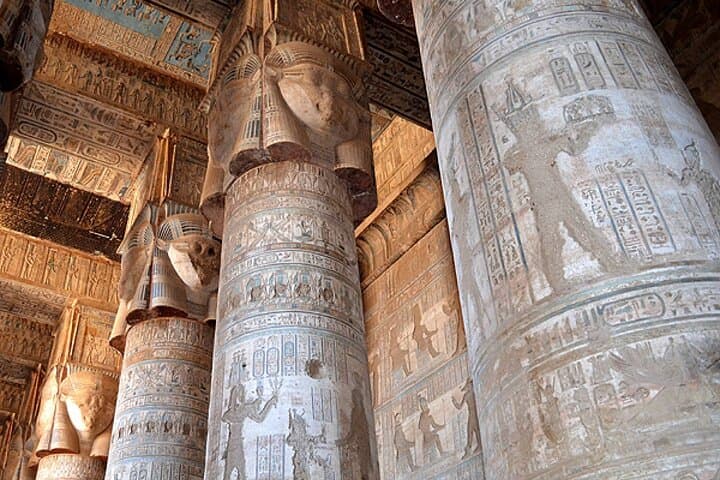
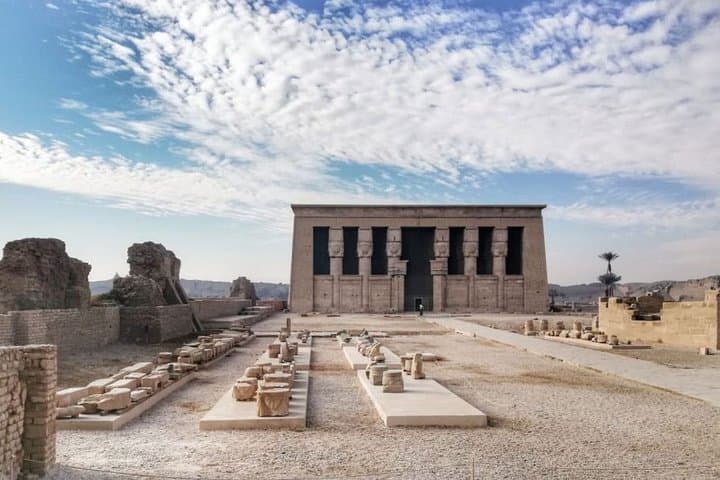
Abydos is archaeological theatre—limestone blocks cut from the nearby plateau, mortarless joints, and the Osireion’s shadowed water channel recalling ancient funerary rites. A few hours further north, Dendera’s Hathor temple opens into a different mood: a compact sanctuary with a bright sandstone façade, a ceiling carved with zodiacal stars, and Hathor’s cow-eared columns smiling into the light.
Culturally this corridor feels lived-in; small towns dot the roadside and modern villages sit within sight of pharaonic stone. Guides explain ritual practice, the political weight of king lists, and how Nile silt and groundwater influence preservation.
Practical notes: the tour is a full-day private trip from Luxor with air-conditioned transport, bottled water, and short on-site walks—some uneven steps and exposed sun. Tickets for monuments are usually purchased on arrival, and photography rules can vary.
Bring sun protection and modest clothing; plan an early start to avoid the midday heat. Allow extra time between sites for the long drives: the payoff is uninterrupted access to two of ancient Egypt’s clearest architectural statements—well-preserved color, crisp reliefs, and a direct sense of scale that photographs rarely capture.
easy.
10 hours.
Suitable for most fitness levels; requires short walks and standing on uneven temple floors.
No—admission to Abydos and Dendera is typically paid on arrival; bring cash in Egyptian pounds as card facilities may be limited.
Abydos is about 135 km south of Luxor (roughly 2–3 hours by car), while Dendera is closer to the north of Luxor (about 1–1.5 hours); expect extended driving between sites on a single day.
The itinerary notes wheelchair-accessible transportation and many areas are accessible, but temple interiors include steps and uneven floors—check with the operator about specific mobility needs.
Photography is generally allowed for personal use, but flash may be restricted in painted chambers; follow site rules and your guide’s instructions.
Abydos grew as a cult center for Osiris; Seti I and Ramesses II built and decorated the main complexes. Dendera’s present temple dates largely to the Ptolemaic and Roman periods and honors Hathor.
Rising groundwater and salts threaten painted reliefs—minimizing touching, staying on paths, and following guide directions help protect delicate surfaces.
Best Of Egypt Tours operates guided outdoor trips and adventures with an emphasis on safety, stewardship, and memorable experiences.
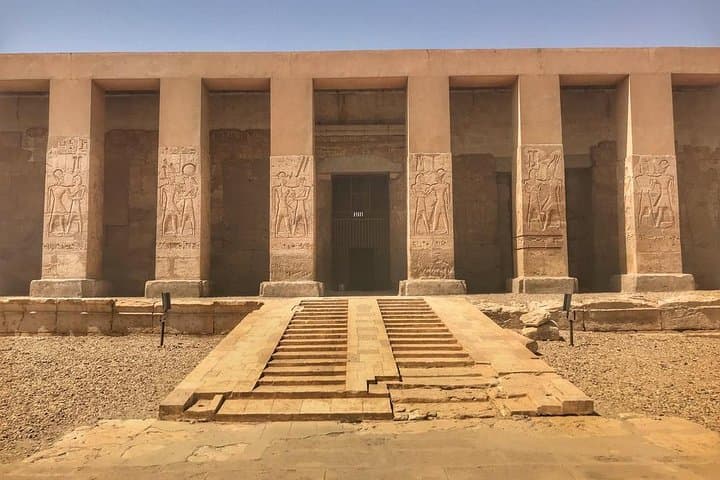
Dawn lifts the heat off Luxor as your private vehicle eases north along the Nile, cultivated fields sliding past like stitched panels of green and ochre. The road unfurls toward Abydos first: a low desert rise crowned by the Temple of Seti I, where painted reliefs still hold surprising color and the procession of kings is carved in patient precision.
Dawn lifts the heat off Luxor as your private vehicle eases north along the Nile, cultivated fields sliding past like stitched panels of green and ochre. The road unfurls toward Abydos first: a low desert rise crowned by the Temple of Seti I, where painted reliefs still hold surprising color and the procession of kings is carved in patient precision.
Abydos is archaeological theatre—limestone blocks cut from the nearby plateau, mortarless joints, and the Osireion’s shadowed water channel recalling ancient funerary rites. A few hours further north, Dendera’s Hathor temple opens into a different mood: a compact sanctuary with a bright sandstone façade, a ceiling carved with zodiacal stars, and Hathor’s cow-eared columns smiling into the light.
Culturally this corridor feels lived-in; small towns dot the roadside and modern villages sit within sight of pharaonic stone. Guides explain ritual practice, the political weight of king lists, and how Nile silt and groundwater influence preservation.
Practical notes: the tour is a full-day private trip from Luxor with air-conditioned transport, bottled water, and short on-site walks—some uneven steps and exposed sun. Tickets for monuments are usually purchased on arrival, and photography rules can vary.
Bring sun protection and modest clothing; plan an early start to avoid the midday heat. Allow extra time between sites for the long drives: the payoff is uninterrupted access to two of ancient Egypt’s clearest architectural statements—well-preserved color, crisp reliefs, and a direct sense of scale that photographs rarely capture.