THE ADVENTURE COLLECTIVE® · Independent discovery and booking for outdoor travel

Spend a full day from Luxor exploring two of Upper Egypt’s best-preserved temples: the funerary grandeur of Abydos and the painted chambers of Dendera. This private, 10-hour tour combines expert Egyptologist commentary with door-to-door transport.
Spend a full day from Luxor exploring two of Upper Egypt’s best-preserved temples: the funerary grandeur of Abydos and the painted chambers of Dendera. This private, 10-hour tour combines expert Egyptologist commentary with door-to-door transport.
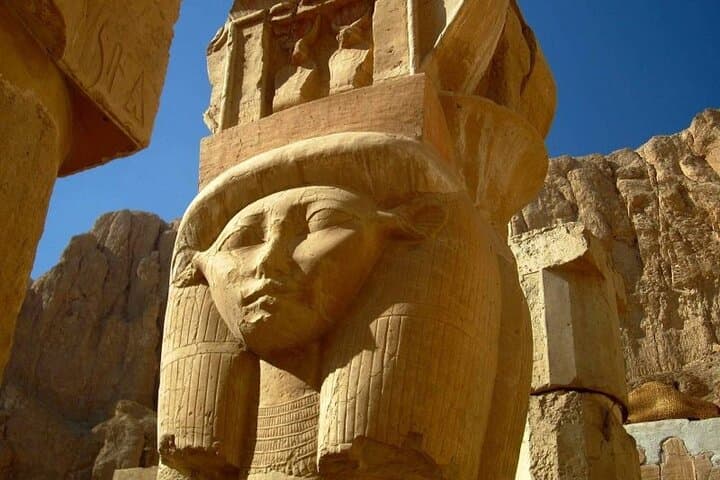
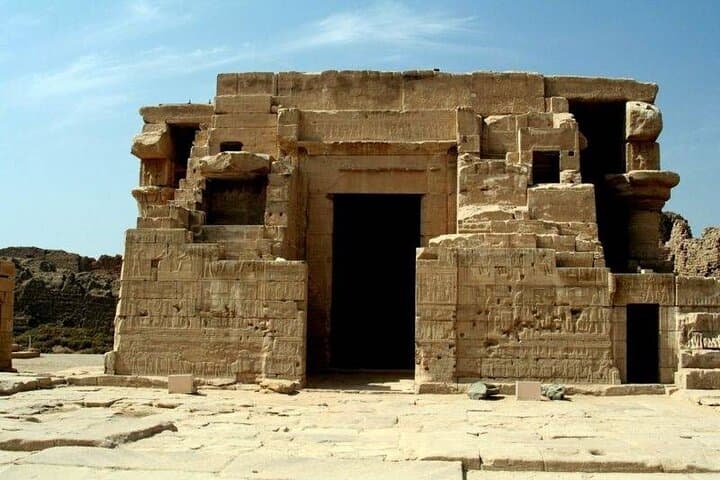
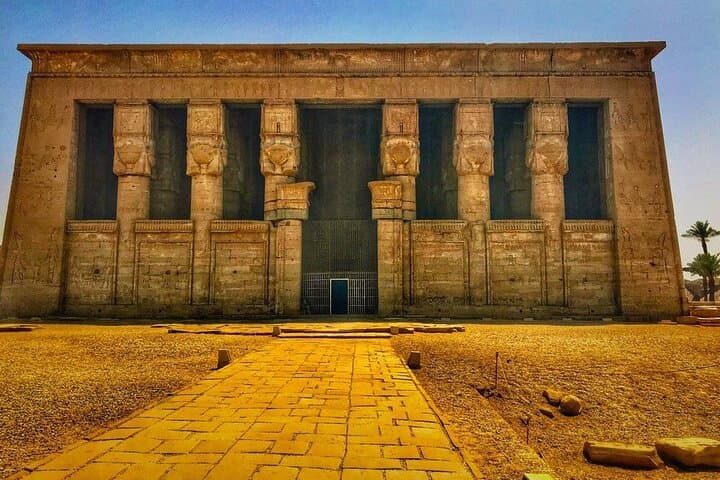
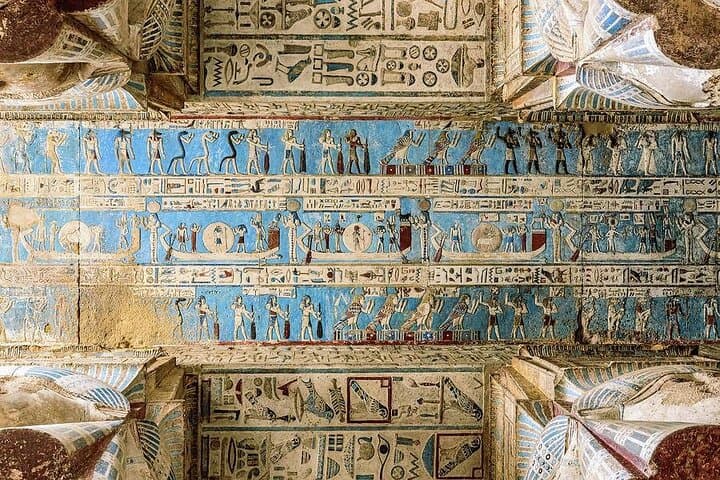
A pale desert dawn lifts off the Nile and the road north to Abydos feels vast and ancient; by midmorning you step from the air-conditioned vehicle into sun-scrubbed sand and the stone corridors of pharaohs. The Temple of Seti I at Abydos greets you with carved processions and the shadowed Osireion, while Dendera’s Temple of Hathor holds painted reliefs and a rooftop panorama over the Nile floodplain.
Verified experiences and guided adventures in the surrounding area.
Operated by Egypt Tours Online · Luxor, Luxor Governorate
A pale desert dawn lifts off the Nile and the road north to Abydos feels vast and ancient; by midmorning you step from the air-conditioned vehicle into sun-scrubbed sand and the stone corridors of pharaohs. The Temple of Seti I at Abydos greets you with carved processions and the shadowed Osireion, while Dendera’s Temple of Hathor holds painted reliefs and a rooftop panorama over the Nile floodplain.
These sites sit on the edge of Egypt’s fertile valley where geology and human labor met: soft limestone beds shaped temple walls that have retained polychrome pigments under dry air. Abydos retains the royal memory in the Abydos King List and the subterranean Osireion — a rare funerary complex tied to ancient beliefs about Osiris. Dendera, later in date, is notable for its intact chapels and iconography of Hathor, goddess of music and joy.
Expect several short, uneven walks, stair sections and open courtyards; guides usually explain inscriptions and point out the king list and astronomical scenes. Bring sun protection and a camera with the flexibility to shoot in bright light and shadow.
Practicalities: pickups generally start at 7:00 am from Luxor; the full private tour runs about 10 hours including transport, bottled water and optional lunch. Entrance fees can vary by option; carry cash for onsite tickets and tips. Modest dress is required in temple precincts, and avoid touching painted reliefs — dry air preserves color but contact accelerates decay.
moderate.
10 hours.
Suitable for travelers who can walk short distances over uneven terrain and climb stairs; not strenuous but requires stamina for a long day.
Abydos is roughly 135 km (about 1.5–2 hours each way from Luxor) and Dendera is closer to Luxor (about 45–60 minutes); expect a full day for both sites.
Entrance fees are included only if the option is selected at booking—confirm which ticket option you bought and carry cash for any additional areas.
Photography is generally permitted without flash; some enclosed chapels may restrict tripods or flash to protect pigments—follow onsite signage and guide instructions.
The tour is family-friendly but involves walking on uneven surfaces and stairs; it’s not recommended for guests with serious spinal or cardiovascular issues or late-stage pregnancy per operator notes.
Abydos served as a major cult center for Osiris and houses Seti I’s temple with the Abydos King List; Dendera’s main temple honors Hathor and preserves late Ptolemaic and Roman-era art.
Both sites conserve fragile painted reliefs; stay on marked paths, avoid touching surfaces and use local guides who support site preservation.
Egypt Tours Online operates guided outdoor trips and adventures with an emphasis on safety, stewardship, and memorable experiences.
A pale desert dawn lifts off the Nile and the road north to Abydos feels vast and ancient; by midmorning you step from the air-conditioned vehicle into sun-scrubbed sand and the stone corridors of pharaohs. The Temple of Seti I at Abydos greets you with carved processions and the shadowed Osireion, while Dendera’s Temple of Hathor holds painted reliefs and a rooftop panorama over the Nile floodplain.
A pale desert dawn lifts off the Nile and the road north to Abydos feels vast and ancient; by midmorning you step from the air-conditioned vehicle into sun-scrubbed sand and the stone corridors of pharaohs. The Temple of Seti I at Abydos greets you with carved processions and the shadowed Osireion, while Dendera’s Temple of Hathor holds painted reliefs and a rooftop panorama over the Nile floodplain.
These sites sit on the edge of Egypt’s fertile valley where geology and human labor met: soft limestone beds shaped temple walls that have retained polychrome pigments under dry air. Abydos retains the royal memory in the Abydos King List and the subterranean Osireion — a rare funerary complex tied to ancient beliefs about Osiris. Dendera, later in date, is notable for its intact chapels and iconography of Hathor, goddess of music and joy.
Expect several short, uneven walks, stair sections and open courtyards; guides usually explain inscriptions and point out the king list and astronomical scenes. Bring sun protection and a camera with the flexibility to shoot in bright light and shadow.
Practicalities: pickups generally start at 7:00 am from Luxor; the full private tour runs about 10 hours including transport, bottled water and optional lunch. Entrance fees can vary by option; carry cash for onsite tickets and tips. Modest dress is required in temple precincts, and avoid touching painted reliefs — dry air preserves color but contact accelerates decay.