THE ADVENTURE COLLECTIVE® · Independent discovery and booking for outdoor travel

A full-day private tour from Luxor that pairs the ornate Hathor temple at Dendara with the solemn Seti I complex and Osireion at Abydos. Perfect for travelers wanting rich archaeology with comfortable transfers and a guide-ready to unpack ancient myths.
A full-day private tour from Luxor that pairs the ornate Hathor temple at Dendara with the solemn Seti I complex and Osireion at Abydos. Perfect for travelers wanting rich archaeology with comfortable transfers and a guide-ready to unpack ancient myths.
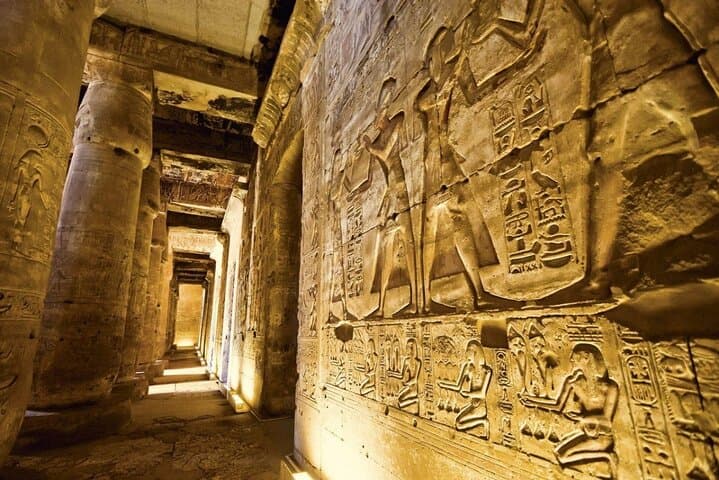
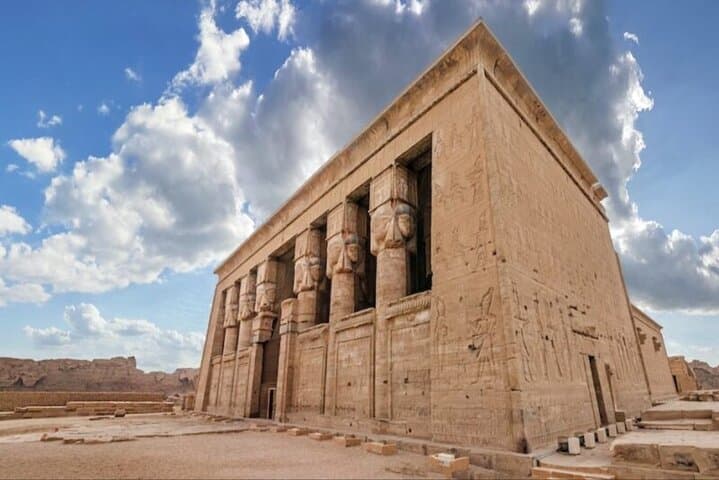
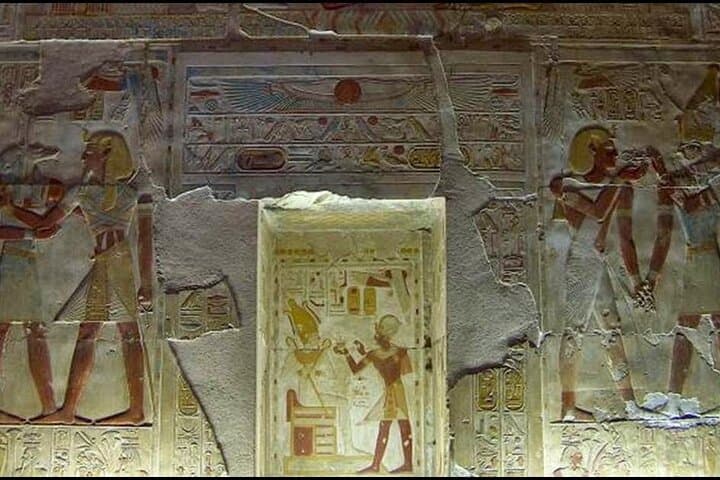
You arrive before the heat thickens, the desert light sculpting reliefs into sharp contrast as the coach eases to a halt outside Dendara’s gate. Columns crowned with Hathor faces watch like quiet hosts; hieroglyphs run across stone like a slow, persistent story. The air smells of sun-warmed sand and the faint oil used in conservation work, reminding you these stones are both ancient and actively cared for.
Verified experiences and guided adventures in the surrounding area.
Operated by Luxor Private Day Tours · Luxor, Luxor Governorate
You arrive before the heat thickens, the desert light sculpting reliefs into sharp contrast as the coach eases to a halt outside Dendara’s gate. Columns crowned with Hathor faces watch like quiet hosts; hieroglyphs run across stone like a slow, persistent story. The air smells of sun-warmed sand and the faint oil used in conservation work, reminding you these stones are both ancient and actively cared for.
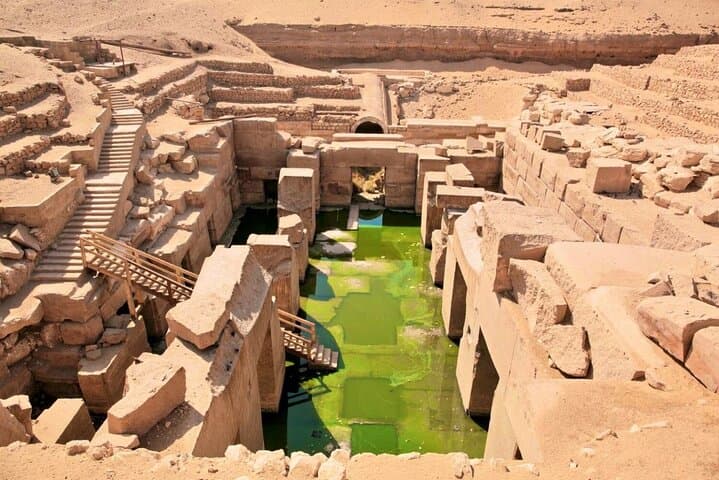
Dendara preserves late Pharaonic art: a Hypostyle Hall of Hathor-headed columns and astronomy scenes that show how Egyptians mapped the sky. Abydos, farther west, centers on Seti I’s temple and the Osireion — an engineered, water-adjacent chamber linked to Osiris’ cult and funerary ritual. Geology here is flat Nile floodplain and limestone bedrock; culture layers Roman, Coptic and Pharaonic are readable in stone and the small local museums.
Practical guidance: the full day runs close to 10 hours including transfers from Luxor; expect long standing periods, uneven stone floors, and open, exposed sections with little shade. Carry at least 2 liters of water, a broad hat, sun protection, and footwear with good grip for temple basalt and worn steps. Photography is generally allowed but be mindful of restricted areas and conservation signage; avoid flash on pigments. Early starts beat crowds and late afternoon soft light brings reliefs into sharp relief for closer inspection.
This trip pairs straightforward logistics with a substantive cultural payoff — two contrasting temple experiences that reward curiosity and slow, careful observation.
easy.
10 hours.
Suitable for most travelers who can handle several hours of standing and light walking on uneven surfaces
Most standard tour prices do not include state-run archaeological site entrance fees; confirm with your operator before travel.
Expect roughly 1–1.5 hours each way to Dendara and about 2.5–3 hours round-trip to Abydos depending on traffic and stops.
Yes — the itinerary is classified as easy, but infants must sit on laps during transport and parents should plan for sun protection and breaks.
Photography is generally permitted in open areas, but flash or tripod use may be restricted to protect pigments and for crowd control; follow guide direction.
Abydos was a key cult center for Osiris and contains Seti I’s temple with exceptionally well-preserved reliefs; Dendara’s complex reflects Ptolemaic and Roman-era temple building around the cult of Hathor.
Both sites are managed by Egypt’s antiquities authorities with ongoing conservation; visitors should avoid touching reliefs and follow paths to reduce wear on ancient stone.
Luxor Private Day Tours operates guided outdoor trips and adventures with an emphasis on safety, stewardship, and memorable experiences.
You arrive before the heat thickens, the desert light sculpting reliefs into sharp contrast as the coach eases to a halt outside Dendara’s gate. Columns crowned with Hathor faces watch like quiet hosts; hieroglyphs run across stone like a slow, persistent story. The air smells of sun-warmed sand and the faint oil used in conservation work, reminding you these stones are both ancient and actively cared for.
You arrive before the heat thickens, the desert light sculpting reliefs into sharp contrast as the coach eases to a halt outside Dendara’s gate. Columns crowned with Hathor faces watch like quiet hosts; hieroglyphs run across stone like a slow, persistent story. The air smells of sun-warmed sand and the faint oil used in conservation work, reminding you these stones are both ancient and actively cared for.
Dendara preserves late Pharaonic art: a Hypostyle Hall of Hathor-headed columns and astronomy scenes that show how Egyptians mapped the sky. Abydos, farther west, centers on Seti I’s temple and the Osireion — an engineered, water-adjacent chamber linked to Osiris’ cult and funerary ritual. Geology here is flat Nile floodplain and limestone bedrock; culture layers Roman, Coptic and Pharaonic are readable in stone and the small local museums.
Practical guidance: the full day runs close to 10 hours including transfers from Luxor; expect long standing periods, uneven stone floors, and open, exposed sections with little shade. Carry at least 2 liters of water, a broad hat, sun protection, and footwear with good grip for temple basalt and worn steps. Photography is generally allowed but be mindful of restricted areas and conservation signage; avoid flash on pigments. Early starts beat crowds and late afternoon soft light brings reliefs into sharp relief for closer inspection.
This trip pairs straightforward logistics with a substantive cultural payoff — two contrasting temple experiences that reward curiosity and slow, careful observation.