THE ADVENTURE COLLECTIVE® · Independent discovery and booking for outdoor travel

Spend a full day from Luxor exploring Abydos and Dendara with an Egyptologist guide. This guided tour combines deep history, impressive reliefs, and practical travel support for a long but rewarding cultural day trip.
Spend a full day from Luxor exploring Abydos and Dendara with an Egyptologist guide. This guided tour combines deep history, impressive reliefs, and practical travel support for a long but rewarding cultural day trip.
You step into the van at 7:00 a.m., the Nile at your left and small, sunburnt fields slipping by as your Egyptologist guide points out village life. The road north of Luxor feels like a slow reveal: mud-brick houses, roadside palms, and the occasional camel silhouette against a widening sky.
Verified experiences and guided adventures in the surrounding area.
Operated by Balloons first trip · Luxor, Luxor Governorate
You step into the van at 7:00 a.m., the Nile at your left and small, sunburnt fields slipping by as your Egyptologist guide points out village life. The road north of Luxor feels like a slow reveal: mud-brick houses, roadside palms, and the occasional camel silhouette against a widening sky.
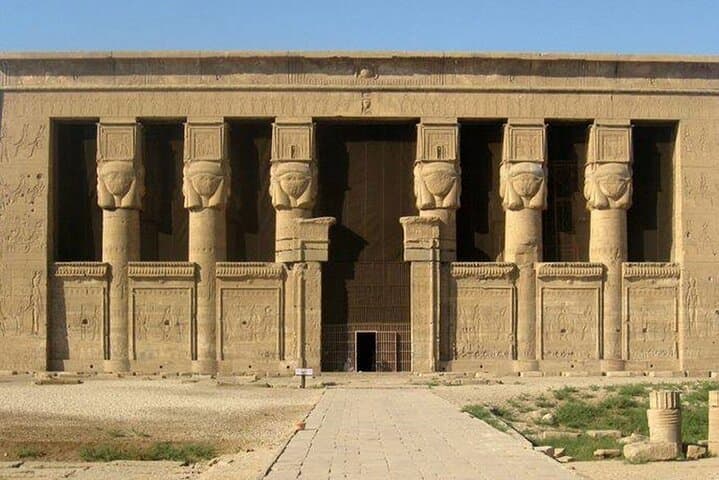
Abydos arrives with a hush — long ramps of limestone and layered reliefs that chronicle pharaohs and gods. Seti I’s temple contains the famous Royal List and the mysterious Osireion nearby, a subterranean, water-associated structure that hints at ancient funerary ritual. Later at Dendara, the late Ptolemaic complex dedicated to Hathor opens into carved columns and ceiling scenes, including zodiac motifs and vivid ritual imagery.
Geology is simple here: Nile silt plains give way to exposed limestone and sandstone used in construction; you’ll notice tool marks and weathering that map centuries of wind and sand. Culturally, both sites remained active pilgrimage centers; Dendara’s iconography shows strong Greco-Roman influences layered onto Egyptian ritual.
Practical notes: this is a long day — expect many hours in an air-conditioned minibus and several short, uneven walks onsite. Wear sturdy shoes, bring sun protection and a passport for ticketing, and carry small bills for tips and souvenirs. Photography is generally allowed but follow signage and guide instructions. The tour includes hotel pickup, bottled water, and an Egyptologist guide; plan for early starts and a late return to Luxor.
easy.
Up to 16 hours.
Suitable for most travelers who can board a vehicle and manage several short walks on uneven stone surfaces.
The tour is a full-day excursion with hotel pickup early morning and return to Luxor later the same day—plan for up to 16 hours including drives and site time.
Inclusions typically cover hotel pickup/drop-off in Luxor, an Egyptologist guide, bottled water, air-conditioned transportation, taxes, and charges—entrance procedures are managed by the guide.
Physically the sites require only short walks, but there are uneven surfaces and steps; infants can be in strollers for transport but mobility-limited travelers should consult the operator about specific access.
Photography is generally permitted but may be restricted in sensitive areas—follow on-site signage and your guide’s guidance regarding flash and tripods.
Abydos was a major cult center for Osiris with royal lists carved into Seti I’s temple; Dendara rose in the Ptolemaic era as a living shrine to Hathor blending Egyptian and Greco-Roman motifs.
Both sites are protected antiquities—stay on marked paths, avoid touching reliefs, and support local guides to minimize impact and channel tourism revenue to conservation.
Balloons first trip operates guided outdoor trips and adventures with an emphasis on safety, stewardship, and memorable experiences.

You step into the van at 7:00 a.m., the Nile at your left and small, sunburnt fields slipping by as your Egyptologist guide points out village life. The road north of Luxor feels like a slow reveal: mud-brick houses, roadside palms, and the occasional camel silhouette against a widening sky.
You step into the van at 7:00 a.m., the Nile at your left and small, sunburnt fields slipping by as your Egyptologist guide points out village life. The road north of Luxor feels like a slow reveal: mud-brick houses, roadside palms, and the occasional camel silhouette against a widening sky.
Abydos arrives with a hush — long ramps of limestone and layered reliefs that chronicle pharaohs and gods. Seti I’s temple contains the famous Royal List and the mysterious Osireion nearby, a subterranean, water-associated structure that hints at ancient funerary ritual. Later at Dendara, the late Ptolemaic complex dedicated to Hathor opens into carved columns and ceiling scenes, including zodiac motifs and vivid ritual imagery.
Geology is simple here: Nile silt plains give way to exposed limestone and sandstone used in construction; you’ll notice tool marks and weathering that map centuries of wind and sand. Culturally, both sites remained active pilgrimage centers; Dendara’s iconography shows strong Greco-Roman influences layered onto Egyptian ritual.
Practical notes: this is a long day — expect many hours in an air-conditioned minibus and several short, uneven walks onsite. Wear sturdy shoes, bring sun protection and a passport for ticketing, and carry small bills for tips and souvenirs. Photography is generally allowed but follow signage and guide instructions. The tour includes hotel pickup, bottled water, and an Egyptologist guide; plan for early starts and a late return to Luxor.