THE ADVENTURE COLLECTIVE® · Independent discovery and booking for outdoor travel

Step beyond the bus routes and discover the subtle life of Denali’s taiga and tundra on a guided 2–3 hour nature hike. Expect mixed terrain, wildlife signs, and expert interpretation that turns moss and tracks into whole stories of survival.
Step beyond the bus routes and discover the subtle life of Denali’s taiga and tundra on a guided 2–3 hour nature hike. Expect mixed terrain, wildlife signs, and expert interpretation that turns moss and tracks into whole stories of survival.
A soft Alaska light hangs low even in midday; spruce needles drip with the memory of last night’s rain and the tundra ahead flares with tiny stars of wildflower. You step off a gravel pullout and into a world that seems to slow to match your breathing. The guide falls into step beside you, pointing to a pale patch of lichen, then to a flattened tuft where a caribou bedded down—the small, precise signs of life that shape this place.
Verified experiences and guided adventures in the surrounding area.
Operated by New Wave Adventures · Denali Park, Alaska
A soft Alaska light hangs low even in midday; spruce needles drip with the memory of last night’s rain and the tundra ahead flares with tiny stars of wildflower. You step off a gravel pullout and into a world that seems to slow to match your breathing. The guide falls into step beside you, pointing to a pale patch of lichen, then to a flattened tuft where a caribou bedded down—the small, precise signs of life that shape this place.
This hike threads the boundary between taiga and tundra, where boreal forest gives way to open, wind-scoured plains. The route varies from 3 to 5 miles depending on group pace and trail choices: soft root-strewn forest tread, occasional boardwalk over soggy ground, and short climbs that reward you with wide, unsheltered views. Geologically, you’re walking on a canvas of glacial deposits and permafrost features—mosaic soils that dictate plant communities and create the hummocks and troughs that make the tundra look stitched together.
Human history here is concise but resonant. Athabaskan peoples have lived with these rhythms for millennia, reading migration routes of caribou and seasonal growth. Europeans named the summit “Mount McKinley” in the late 19th century; the park later reclaimed the Indigenous name Denali and expanded protections in the 20th century, preserving corridors for wildlife and solitude.
Wildlife is present but discreet: moose browse the willow edges, ptarmigan vanish into gravel, and from spring into summer you may glimpse caribou tracks or a distant brown bear silhouette grazing along the treeline. Guides teach how to read those signs—antler sheds, scat, and spoor—so you see more than the casual eye.
Practical edge: this is a guided, shared experience (max ~11) lasting about 2½ hours. Expect variable footing and changeable weather—layers are essential. Hiking poles are provided but bring your own if you prefer a familiar grip. Insect pressure can be heavy in June and July; head nets and repellent matter. Always maintain wildlife distance; carry bear spray and know your guide’s safety brief.
Timing is everything. Early morning or late afternoon light accentuates tundra textures and brings cooler temperatures and fewer bugs. Summer’s long daylight lends flexibility; shoulder seasons are quieter but colder. Footwear with good traction and ankle support is advised—mud and tussocks make the terrain honest.
By the time you return to the trailhead, the forest seems to have shifted slightly: you notice more lichens, a different bird call, the way wind arranges the grasses. The hike doesn’t conquer the landscape—you leave it with sharper senses, and a clearer appreciation for how life endures in an elemental, northern place.
moderate.
2–3 hours.
Moderate fitness; able to walk 3–5 miles over uneven terrain with short climbs.
The guided route typically covers 3–5 miles and lasts about 2–3 hours (operators list 150 minutes). Distance is adjusted to group ability.
Yes for older children used to hiking; children should be able to sustain 1–2 hours of walking on variable terrain and follow guide directions.
Wildlife sightings are possible but not guaranteed; guides point out signs and use local knowledge to increase chances while prioritizing safety and distance.
Poles are often provided but you can bring your own for comfort—useful on uneven or muddy sections.
Layer a moisture-wicking base, insulating mid-layer, and a waterproof wind shell; bring a hat, sunglasses, and bug protection.
No—the hike stays at low-to-moderate elevations in the Denali area, so altitude sickness is not a concern.
The area’s human history includes Athabaskan use for seasonal hunting and travel; the park was protected in the 20th century to preserve habitat around Denali.
Tundra vegetation is fragile—stay on trails and boardwalks to avoid long-term damage. Pack out all waste and follow Leave No Trace principles.
New Wave Adventures operates guided outdoor trips and adventures with an emphasis on safety, stewardship, and memorable experiences.
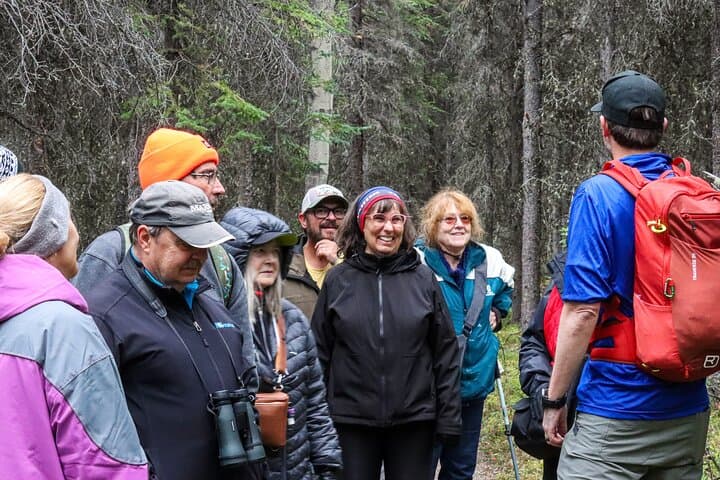
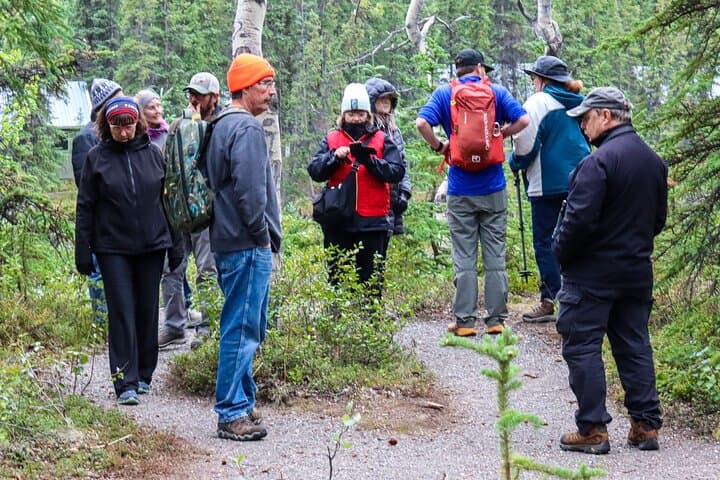
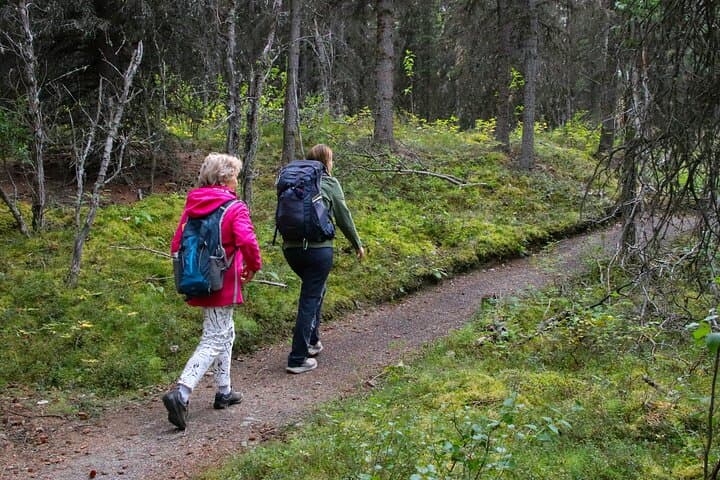
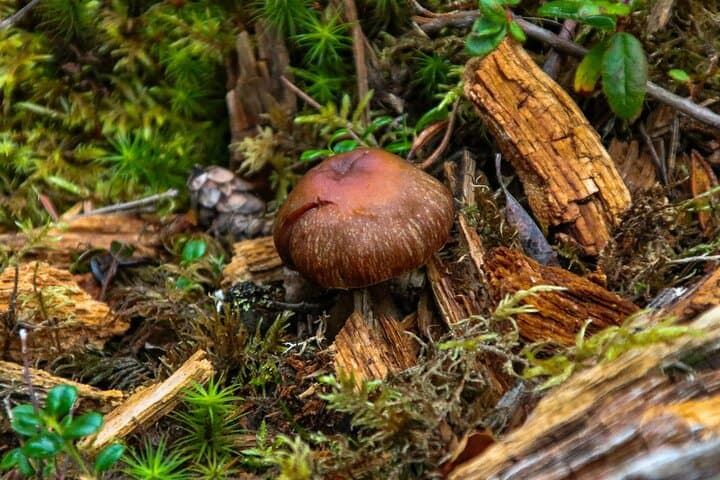
A soft Alaska light hangs low even in midday; spruce needles drip with the memory of last night’s rain and the tundra ahead flares with tiny stars of wildflower. You step off a gravel pullout and into a world that seems to slow to match your breathing. The guide falls into step beside you, pointing to a pale patch of lichen, then to a flattened tuft where a caribou bedded down—the small, precise signs of life that shape this place.
A soft Alaska light hangs low even in midday; spruce needles drip with the memory of last night’s rain and the tundra ahead flares with tiny stars of wildflower. You step off a gravel pullout and into a world that seems to slow to match your breathing. The guide falls into step beside you, pointing to a pale patch of lichen, then to a flattened tuft where a caribou bedded down—the small, precise signs of life that shape this place.
This hike threads the boundary between taiga and tundra, where boreal forest gives way to open, wind-scoured plains. The route varies from 3 to 5 miles depending on group pace and trail choices: soft root-strewn forest tread, occasional boardwalk over soggy ground, and short climbs that reward you with wide, unsheltered views. Geologically, you’re walking on a canvas of glacial deposits and permafrost features—mosaic soils that dictate plant communities and create the hummocks and troughs that make the tundra look stitched together.
Human history here is concise but resonant. Athabaskan peoples have lived with these rhythms for millennia, reading migration routes of caribou and seasonal growth. Europeans named the summit “Mount McKinley” in the late 19th century; the park later reclaimed the Indigenous name Denali and expanded protections in the 20th century, preserving corridors for wildlife and solitude.
Wildlife is present but discreet: moose browse the willow edges, ptarmigan vanish into gravel, and from spring into summer you may glimpse caribou tracks or a distant brown bear silhouette grazing along the treeline. Guides teach how to read those signs—antler sheds, scat, and spoor—so you see more than the casual eye.
Practical edge: this is a guided, shared experience (max ~11) lasting about 2½ hours. Expect variable footing and changeable weather—layers are essential. Hiking poles are provided but bring your own if you prefer a familiar grip. Insect pressure can be heavy in June and July; head nets and repellent matter. Always maintain wildlife distance; carry bear spray and know your guide’s safety brief.
Timing is everything. Early morning or late afternoon light accentuates tundra textures and brings cooler temperatures and fewer bugs. Summer’s long daylight lends flexibility; shoulder seasons are quieter but colder. Footwear with good traction and ankle support is advised—mud and tussocks make the terrain honest.
By the time you return to the trailhead, the forest seems to have shifted slightly: you notice more lichens, a different bird call, the way wind arranges the grasses. The hike doesn’t conquer the landscape—you leave it with sharper senses, and a clearer appreciation for how life endures in an elemental, northern place.