THE ADVENTURE COLLECTIVE® · Independent discovery and booking for outdoor travel

Trade crowded boardwalks for a steep, guided climb into the Alaska Range. This half-day naturalist-led hike delivers alpine tundra, scrambling over jagged ridges, and wide valley views with interpretive stops along the way.
Trade crowded boardwalks for a steep, guided climb into the Alaska Range. This half-day naturalist-led hike delivers alpine tundra, scrambling over jagged ridges, and wide valley views with interpretive stops along the way.
You step off the van and the wind immediately tests your layers — cold, clean, and insistent — pushing you toward the ridge. Above the treeline the Alaska Range opens like a raw map: steep ribs of granite, patches of tundra clinging to ledges, and wide valleys slipping into blue distance. A naturalist guide sets the pace, pointing out bedrock scars, thaw patterns, and tiny flowers holding on where soil is thin.
Verified experiences and guided adventures in the surrounding area.
Operated by Northern Epics · Denali Park Village, Alaska
You step off the van and the wind immediately tests your layers — cold, clean, and insistent — pushing you toward the ridge. Above the treeline the Alaska Range opens like a raw map: steep ribs of granite, patches of tundra clinging to ledges, and wide valleys slipping into blue distance. A naturalist guide sets the pace, pointing out bedrock scars, thaw patterns, and tiny flowers holding on where soil is thin.
This is the country of glacial carve and tectonic lift. Denali’s mountains are young and sharp compared with coastal ranges; you’ll notice exposed metamorphic and igneous rock, talus slopes, and the broad U-shaped valleys left by ancient ice. Indigenous Athabaskan people traveled these winters and summers; place names and subsistence histories still shape how locals read the land.
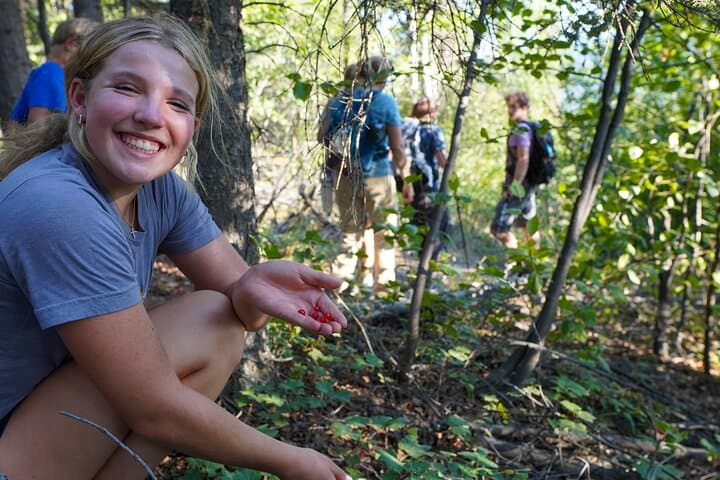
Expect steep, sustained climbing with short hands-on scrambles and tundra steps between exposed rock and berry-rich hollows. Typical guided half-day climbs here range roughly 3–6 miles round-trip with 800–1,200 feet of gain depending on the route and snowpack. Watch for Dall sheep on ledges and tundra plants that change color through the season.
Practically: plan for variable weather, start early to use the most stable conditions, and carry a rainproof shell, warm mid-layer, and at least 2 liters of water. The guide provides interpretive context and navigation; your job is fit legs and sensible gear. Leave no trace, respect wildlife distances, and be ready for sudden weather that can change a panorama into a wind-scoured ridge in minutes.
challenging.
4.5–5 hours.
Requires high cardiovascular fitness and leg strength; able to hike uphill continuously for several hours and scramble over rocks.
Guided half-day routes vary by snow and group level but typically cover 3–6 miles round-trip with roughly 800–1,200 feet of elevation gain; expect sustained uphill sections and brief scrambles.
The tour includes pickup and drop-off from central Denali lodging/meeting areas as listed in the booking details; confirm your pickup point when you book.
Wildlife sightings (Dall sheep, moose, foxes) are common from viewpoints but never guaranteed; maintain distance and follow the guide’s safety instructions.
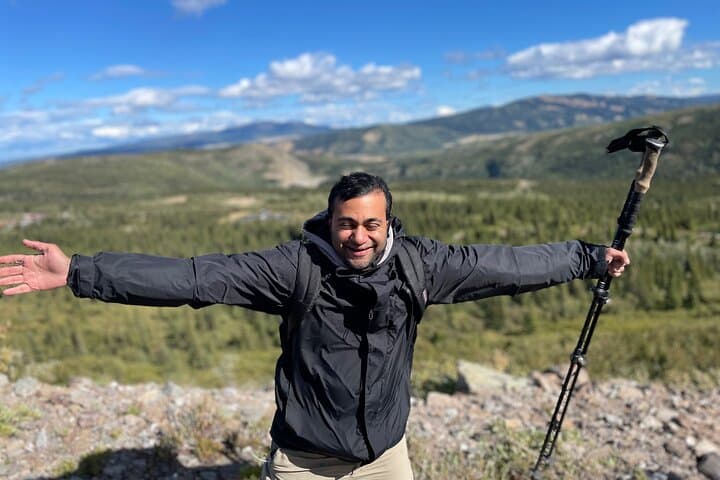
Trekking poles are listed as included in the tour’s provided equipment, but bringing your own ensures a familiar fit and faster setup.
Denali’s trails cross landscapes shaped by Pleistocene glaciers and centuries of Athabaskan travel; modern visitors walk corridors long used for hunting and seasonal movement.
This is fragile tundra—stick to durable surfaces, avoid stepping on vegetation, and pack out all waste to protect slow-recovering alpine soils.
Northern Epics operates guided outdoor trips and adventures with an emphasis on safety, stewardship, and memorable experiences.
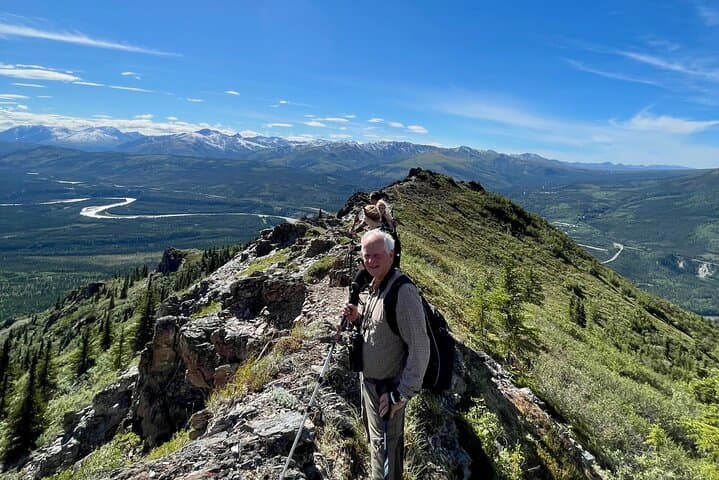
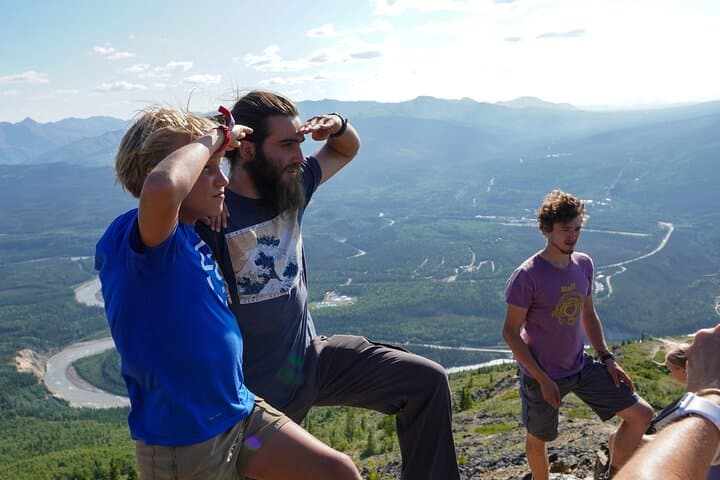
You step off the van and the wind immediately tests your layers — cold, clean, and insistent — pushing you toward the ridge. Above the treeline the Alaska Range opens like a raw map: steep ribs of granite, patches of tundra clinging to ledges, and wide valleys slipping into blue distance. A naturalist guide sets the pace, pointing out bedrock scars, thaw patterns, and tiny flowers holding on where soil is thin.
You step off the van and the wind immediately tests your layers — cold, clean, and insistent — pushing you toward the ridge. Above the treeline the Alaska Range opens like a raw map: steep ribs of granite, patches of tundra clinging to ledges, and wide valleys slipping into blue distance. A naturalist guide sets the pace, pointing out bedrock scars, thaw patterns, and tiny flowers holding on where soil is thin.
This is the country of glacial carve and tectonic lift. Denali’s mountains are young and sharp compared with coastal ranges; you’ll notice exposed metamorphic and igneous rock, talus slopes, and the broad U-shaped valleys left by ancient ice. Indigenous Athabaskan people traveled these winters and summers; place names and subsistence histories still shape how locals read the land.
Expect steep, sustained climbing with short hands-on scrambles and tundra steps between exposed rock and berry-rich hollows. Typical guided half-day climbs here range roughly 3–6 miles round-trip with 800–1,200 feet of gain depending on the route and snowpack. Watch for Dall sheep on ledges and tundra plants that change color through the season.
Practically: plan for variable weather, start early to use the most stable conditions, and carry a rainproof shell, warm mid-layer, and at least 2 liters of water. The guide provides interpretive context and navigation; your job is fit legs and sensible gear. Leave no trace, respect wildlife distances, and be ready for sudden weather that can change a panorama into a wind-scoured ridge in minutes.