THE ADVENTURE COLLECTIVE® · Independent discovery and booking for outdoor travel

Three days across one of the planet’s hottest, most otherworldly places — visiting fluorescent salt pans at Dallol and the glowing lava of Erta Ale. This private itinerary combines rough 4x4 travel, open-air camping and guided treks to two of Ethiopia’s most extreme landscapes.
Three days across one of the planet’s hottest, most otherworldly places — visiting fluorescent salt pans at Dallol and the glowing lava of Erta Ale. This private itinerary combines rough 4x4 travel, open-air camping and guided treks to two of Ethiopia’s most extreme landscapes.
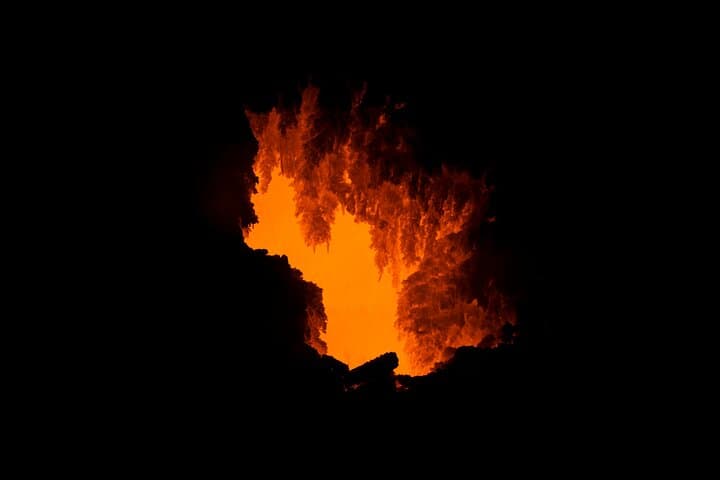
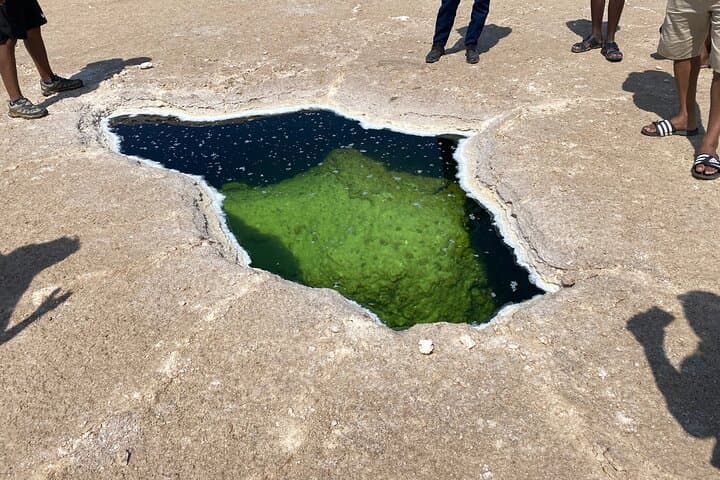
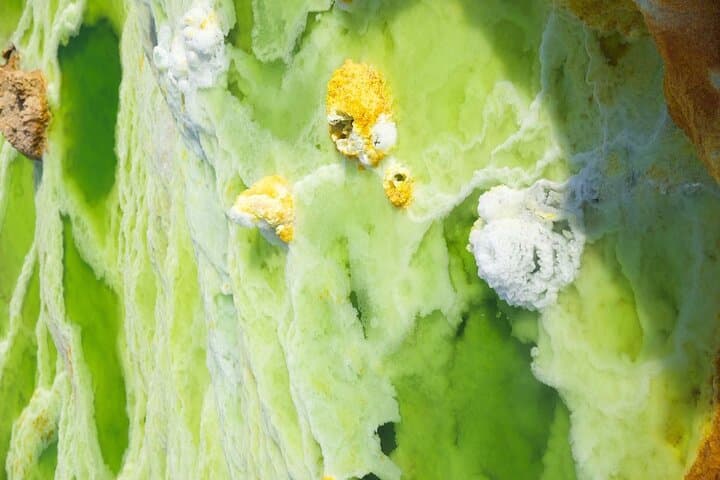
You step out of the vehicle into a flaring horizon where salt crusts and sulfur pools throw color across a landscape that seems to reject ordinary scale. Morning light slices across the salt flats of Lake Asale while the air shimmers from geothermal heat; at night the Erta Ale summit glows, a molten eye in the black.
Verified experiences and guided adventures in the surrounding area.
Operated by Ethiopian Photography Tours · Dallol, Afar Region
You step out of the vehicle into a flaring horizon where salt crusts and sulfur pools throw color across a landscape that seems to reject ordinary scale. Morning light slices across the salt flats of Lake Asale while the air shimmers from geothermal heat; at night the Erta Ale summit glows, a molten eye in the black.
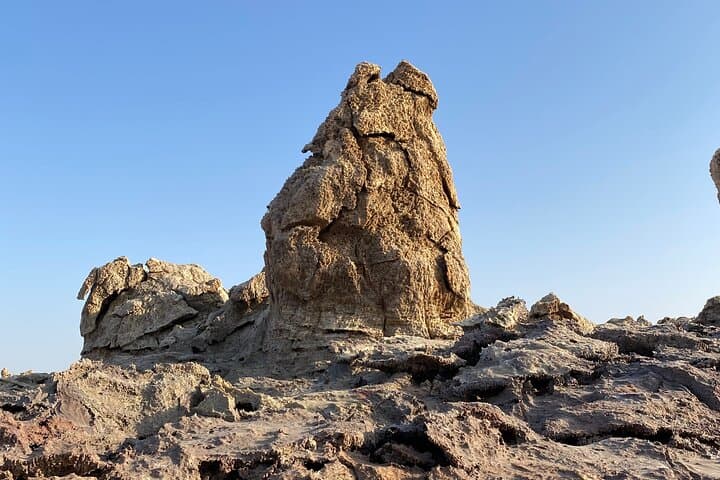
The Denakil Depression is geologically young and violently alive — a rift valley where tectonic plates pull apart, producing salt pans, cinder cones and shield volcanoes. Dallol’s ghostly mounds and acidic springs form from evaporated hydrothermal systems; Erta Ale is a rare, persistent lava lake on a basaltic shield. The Afar people have worked these salts for centuries, and their nomadic culture and salt caravans add human scale to an extreme environment.
Expect long drives over rough tracks, short walks around corrosive fumaroles, and a steep night climb to watch Erta Ale’s crater glow. Temperatures can be extreme by day and surprisingly cold at night; water and shade are scarce. Camping is rustic — open-air mattresses and small village homestays are typical — and guides handle logistics, permits and local introductions.
Practical guidance: bring at least 4–5 liters of water per day, a dust mask for windy salt flats, sturdy boots with good ankle support, and a reliable headlamp for nocturnal hikes. Travel light, protect electronics from corrosive salt spray, and follow guides’ instructions around hot springs and unstable ground. Timing visits for sunrise or night watches at Erta Ale makes the effort worth it, but respect the landscape and local communities while you’re here.
challenging.
3 days.
Moderate to good fitness — able to handle multi-hour drives, short steep hikes and camping in exposed conditions
Expect several short, steep hikes—not full technical climbs—but rough driving and extreme heat make the itinerary physically demanding; a moderate to good fitness level is recommended.
Guides control access; stay on marked routes and follow instructions—thermal pools and crusted surfaces can be unstable and acidic.
Facilities are primitive: open-air camping or simple village accommodation, limited showers (water often sold locally) and no ATMs—bring cash and personal hygiene supplies.
Guides arrange local permits; you’ll need a passport and any entry visas for Ethiopia, and travel insurance that covers remote-region evacuation is strongly recommended.
Afar communities have mined and traded salt here for centuries; the landscape records active rifting that formed the Red Sea and Horn of Africa rift system.
Hydrothermal features and salt formations are fragile—avoid taking mineral samples, stick to paths, and minimize water and fuel use to reduce local impact.
Ethiopian Photography Tours operates guided outdoor trips and adventures with an emphasis on safety, stewardship, and memorable experiences.
You step out of the vehicle into a flaring horizon where salt crusts and sulfur pools throw color across a landscape that seems to reject ordinary scale. Morning light slices across the salt flats of Lake Asale while the air shimmers from geothermal heat; at night the Erta Ale summit glows, a molten eye in the black.
You step out of the vehicle into a flaring horizon where salt crusts and sulfur pools throw color across a landscape that seems to reject ordinary scale. Morning light slices across the salt flats of Lake Asale while the air shimmers from geothermal heat; at night the Erta Ale summit glows, a molten eye in the black.
The Denakil Depression is geologically young and violently alive — a rift valley where tectonic plates pull apart, producing salt pans, cinder cones and shield volcanoes. Dallol’s ghostly mounds and acidic springs form from evaporated hydrothermal systems; Erta Ale is a rare, persistent lava lake on a basaltic shield. The Afar people have worked these salts for centuries, and their nomadic culture and salt caravans add human scale to an extreme environment.
Expect long drives over rough tracks, short walks around corrosive fumaroles, and a steep night climb to watch Erta Ale’s crater glow. Temperatures can be extreme by day and surprisingly cold at night; water and shade are scarce. Camping is rustic — open-air mattresses and small village homestays are typical — and guides handle logistics, permits and local introductions.
Practical guidance: bring at least 4–5 liters of water per day, a dust mask for windy salt flats, sturdy boots with good ankle support, and a reliable headlamp for nocturnal hikes. Travel light, protect electronics from corrosive salt spray, and follow guides’ instructions around hot springs and unstable ground. Timing visits for sunrise or night watches at Erta Ale makes the effort worth it, but respect the landscape and local communities while you’re here.