THE ADVENTURE COLLECTIVE® · Independent discovery and booking for outdoor travel

Skip the crowded public tours and take a private two-hour walkthrough of the Getty Center. This guided experience decodes European paintings, sculptures, and photography while offering museum insight and practical tips for visiting the hilltop campus.
Skip the crowded public tours and take a private two-hour walkthrough of the Getty Center. This guided experience decodes European paintings, sculptures, and photography while offering museum insight and practical tips for visiting the hilltop campus.
You step off the tram with the city sprawling below and the Getty’s modern concrete and travertine planes rising around you. Light pours through skylights; paintings and sculptures sit coolly in galleries where the hush is part of the frame. In two hours a guide reshapes the maze of centuries into a clear narrative — why a Renaissance Madonna wears blue, why Dutch still lifes carry insects and skulls, and what Impressionism’s blurred edges were trying to catch.
Verified experiences and guided adventures in the surrounding area.
Operated by Quick Culture · Los Angeles, California
You step off the tram with the city sprawling below and the Getty’s modern concrete and travertine planes rising around you. Light pours through skylights; paintings and sculptures sit coolly in galleries where the hush is part of the frame. In two hours a guide reshapes the maze of centuries into a clear narrative — why a Renaissance Madonna wears blue, why Dutch still lifes carry insects and skulls, and what Impressionism’s blurred edges were trying to catch.
The Getty Center opened in 1997 to house J. Paul Getty’s collection and to showcase conservation work as much as display. Perched on a hill above Brentwood, the site occupies terraces cut into the Santa Monica hillside, where geology shows in chaparral slopes and city-smudged coastal views. The museum’s holdings emphasize European paintings and decorative arts, plus photography and illuminated manuscripts — all placed within a context of architectural restraint and active preservation.
This private tour is adaptive: stick to highlights or zero in on a period or special exhibition. Expect conversation, not lecturing; bring questions about iconography, technique, or historical context. Guides can arrange assisted listening for larger groups and timed-entry is included.
Practical notes: allow tram time and a security screening; mornings bring softer light in galleries, afternoons in the terraces. Wear comfortable shoes for walking between pavilions and leave large bags at home or use the museum checkroom. For those who want the Getty’s quieter corners and sharper insights, two hours with an informed guide turns walls of information into a clear path through art history.
easy.
2 hours.
Suitable for most fitness levels; involves walking between galleries and on terraces for roughly a mile of easy pacing.
Yes — the Getty Center is wheelchair accessible, including the tram and most galleries; indicate accessibility needs when booking.
Non-flash photography is generally permitted in permanent collection galleries but restricted in special exhibitions and at certain artworks; your guide will clarify gallery-specific rules.
Yes — the tour includes timed-entry ticketing, but you should arrive early to clear security and board the tram in time for your slot.
This private tour accommodates small groups and can be arranged for up to 35 people on request; pricing varies for larger groups.
The Getty Center opened in 1997 to display J. Paul Getty’s collection and to house conservation and research programs tied to art preservation.
The Getty actively supports conservation through the Getty Conservation Institute and maintains water-wise landscaping and preservation practices across the campus.
Quick Culture operates guided outdoor trips and adventures with an emphasis on safety, stewardship, and memorable experiences.
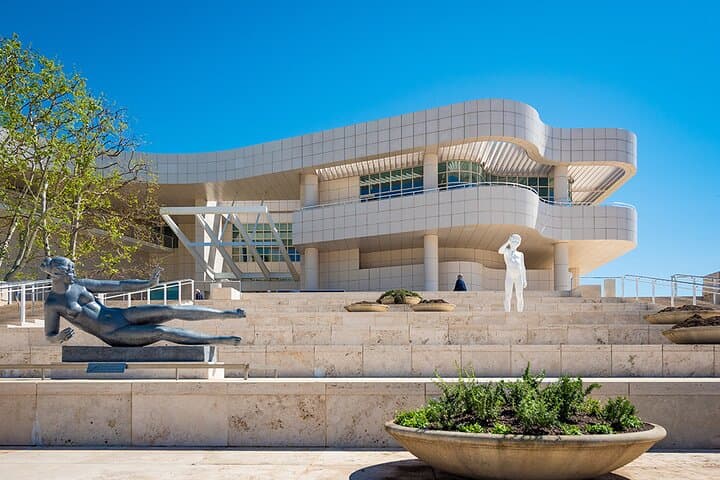
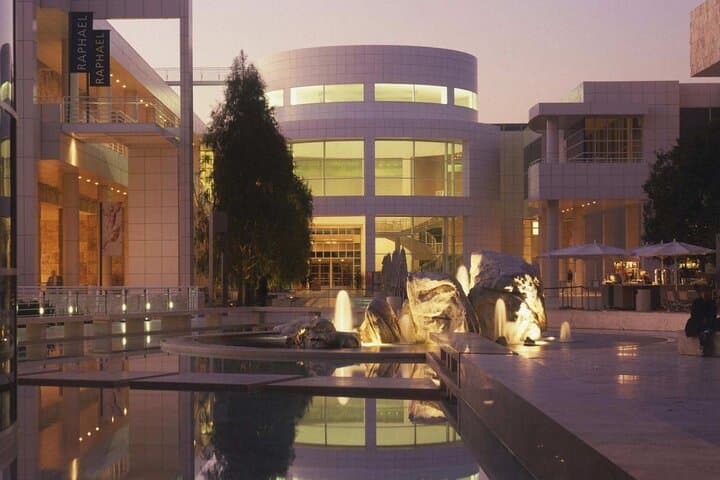
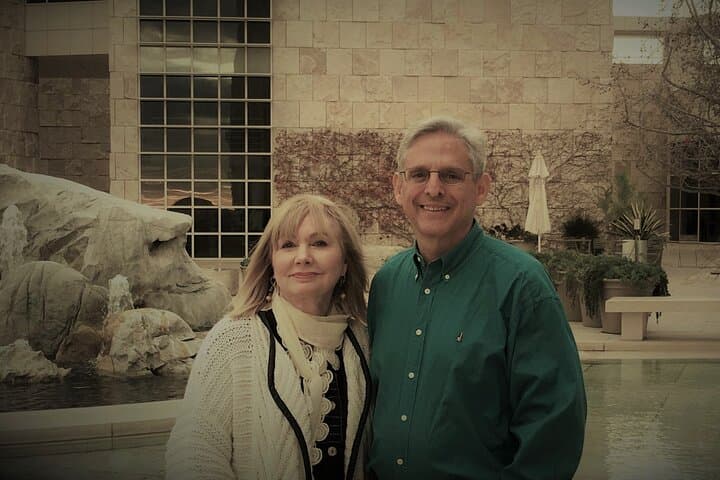
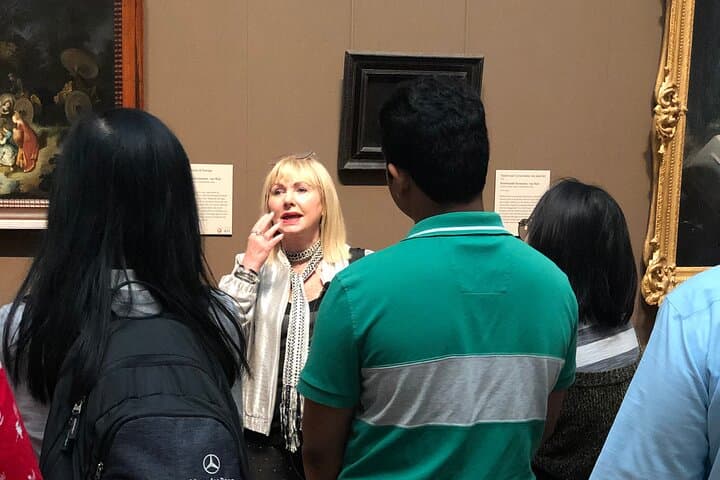
You step off the tram with the city sprawling below and the Getty’s modern concrete and travertine planes rising around you. Light pours through skylights; paintings and sculptures sit coolly in galleries where the hush is part of the frame. In two hours a guide reshapes the maze of centuries into a clear narrative — why a Renaissance Madonna wears blue, why Dutch still lifes carry insects and skulls, and what Impressionism’s blurred edges were trying to catch.
You step off the tram with the city sprawling below and the Getty’s modern concrete and travertine planes rising around you. Light pours through skylights; paintings and sculptures sit coolly in galleries where the hush is part of the frame. In two hours a guide reshapes the maze of centuries into a clear narrative — why a Renaissance Madonna wears blue, why Dutch still lifes carry insects and skulls, and what Impressionism’s blurred edges were trying to catch.
The Getty Center opened in 1997 to house J. Paul Getty’s collection and to showcase conservation work as much as display. Perched on a hill above Brentwood, the site occupies terraces cut into the Santa Monica hillside, where geology shows in chaparral slopes and city-smudged coastal views. The museum’s holdings emphasize European paintings and decorative arts, plus photography and illuminated manuscripts — all placed within a context of architectural restraint and active preservation.
This private tour is adaptive: stick to highlights or zero in on a period or special exhibition. Expect conversation, not lecturing; bring questions about iconography, technique, or historical context. Guides can arrange assisted listening for larger groups and timed-entry is included.
Practical notes: allow tram time and a security screening; mornings bring softer light in galleries, afternoons in the terraces. Wear comfortable shoes for walking between pavilions and leave large bags at home or use the museum checkroom. For those who want the Getty’s quieter corners and sharper insights, two hours with an informed guide turns walls of information into a clear path through art history.