THE ADVENTURE COLLECTIVE® · Independent discovery and booking for outdoor travel

Spend an hour with an art historian at the Getty Center and have questions answered in real time. This private tour highlights key works, explains techniques and places the collection in local and European context.
Spend an hour with an art historian at the Getty Center and have questions answered in real time. This private tour highlights key works, explains techniques and places the collection in local and European context.
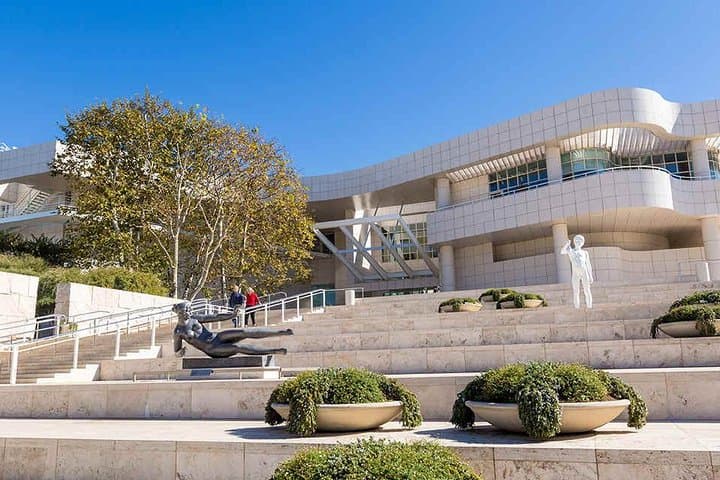
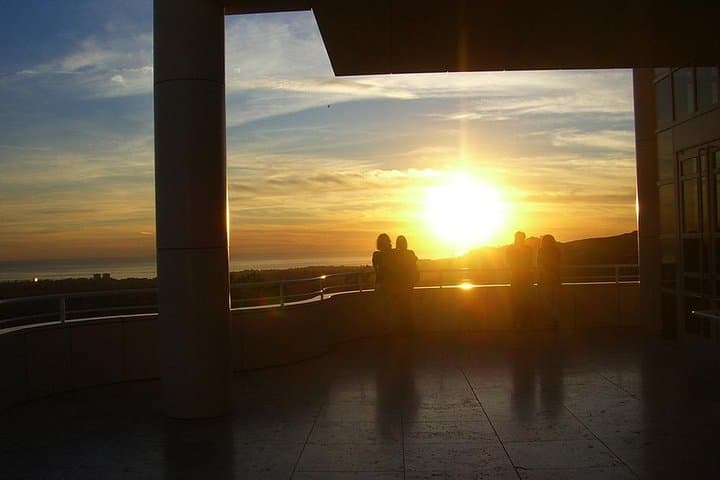
You step off the Getty tram and the hilltop opens: bright travertine terraces, glass and limestone planes, and a view that skews west toward the Santa Monica Mountains and the Pacific. The air carries a cool ocean edge; the terraces and gardens pull you forward as much as the promise of paintings that have shaped visual culture.
Verified experiences and guided adventures in the surrounding area.
Operated by Quick Culture · Los Angeles, California
You step off the Getty tram and the hilltop opens: bright travertine terraces, glass and limestone planes, and a view that skews west toward the Santa Monica Mountains and the Pacific. The air carries a cool ocean edge; the terraces and gardens pull you forward as much as the promise of paintings that have shaped visual culture.
The Getty Center, designed by Richard Meier and opened in 1997, sits on a ridge above Brentwood. Its buildings house Renaissance portraits, Impressionist light studies and Dutch still lifes—works that reflect shifting politics, patronage and technology. The center’s gardens and terraces respond to local geology: chaparral slopes, sandstone outcrops below and long coastal vistas that once guided Chumash and Tongva travel along this coastline.
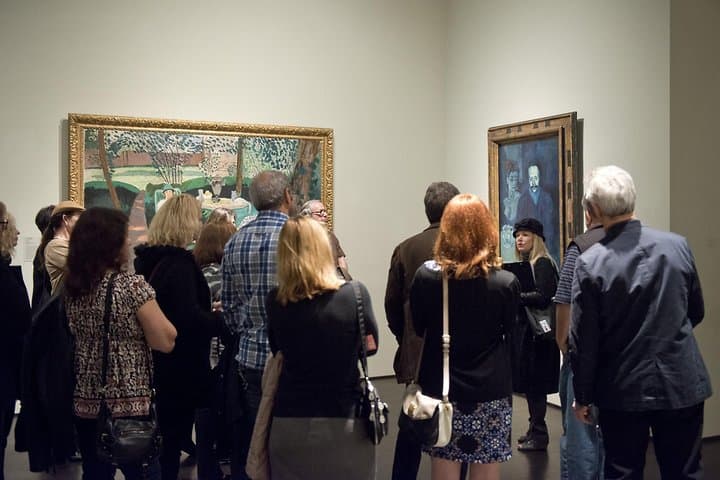
A one-hour private tour with an art historian condenses those threads into readable stories—why color signified rank in Baroque courts, how the brushwork of Impressionists reframed perception, and why conservation reveals vanished pigments and hidden changes. You’ll move between galleries at an easy pace, the guide answering questions that a headset never could.
Practical matters matter: arrive via the tram, pass through standard security, and allow time for a ticketed reservation. The Getty is wheelchair accessible and stroller friendly; restrooms and water fountains are available, but food is limited to the café seating areas. Wear comfortable shoes for terraces and steps, bring a light layer for coastal breezes, and keep camera flash off in galleries. For travelers with one focused hour, request highlights plus one thematic focus—portraiture, landscape, or decorative arts—and let the guide tailor the visit.
easy.
1 hour.
Minimal walking on terraces and through galleries; suitable for most fitness levels
This listing is for a one-hour private tour; guides can tailor the focus to highlights or a specific theme.
Admission specifics vary—confirm at booking; the tour provider will reserve your preferred time and advise if museum entry is covered.
Yes—the Getty Center is wheelchair accessible with elevators, accessible restrooms and tram access from the parking area.
Yes—strollers are allowed, but children should remain with an adult and some gallery spaces may be crowded.
The Getty Center opened in 1997 and was designed by Richard Meier to display J. Paul Getty’s collection; its architecture and gardens are integral to the visitor experience.
The Getty runs active conservation labs and practices water-wise landscaping in the Central Garden; visitors are asked to follow gallery rules to protect artworks.
Quick Culture operates guided outdoor trips and adventures with an emphasis on safety, stewardship, and memorable experiences.

You step off the Getty tram and the hilltop opens: bright travertine terraces, glass and limestone planes, and a view that skews west toward the Santa Monica Mountains and the Pacific. The air carries a cool ocean edge; the terraces and gardens pull you forward as much as the promise of paintings that have shaped visual culture.
You step off the Getty tram and the hilltop opens: bright travertine terraces, glass and limestone planes, and a view that skews west toward the Santa Monica Mountains and the Pacific. The air carries a cool ocean edge; the terraces and gardens pull you forward as much as the promise of paintings that have shaped visual culture.
The Getty Center, designed by Richard Meier and opened in 1997, sits on a ridge above Brentwood. Its buildings house Renaissance portraits, Impressionist light studies and Dutch still lifes—works that reflect shifting politics, patronage and technology. The center’s gardens and terraces respond to local geology: chaparral slopes, sandstone outcrops below and long coastal vistas that once guided Chumash and Tongva travel along this coastline.
A one-hour private tour with an art historian condenses those threads into readable stories—why color signified rank in Baroque courts, how the brushwork of Impressionists reframed perception, and why conservation reveals vanished pigments and hidden changes. You’ll move between galleries at an easy pace, the guide answering questions that a headset never could.
Practical matters matter: arrive via the tram, pass through standard security, and allow time for a ticketed reservation. The Getty is wheelchair accessible and stroller friendly; restrooms and water fountains are available, but food is limited to the café seating areas. Wear comfortable shoes for terraces and steps, bring a light layer for coastal breezes, and keep camera flash off in galleries. For travelers with one focused hour, request highlights plus one thematic focus—portraiture, landscape, or decorative arts—and let the guide tailor the visit.