THE ADVENTURE COLLECTIVE® · Independent discovery and booking for outdoor travel

A streamlined full-day shore excursion that delivers Rome’s signature sights in a single, well-paced itinerary. This guide explains what to expect on the transfer, which landmarks you’ll see, and practical tips to make the most of a limited stopover.
A streamlined full-day shore excursion that delivers Rome’s signature sights in a single, well-paced itinerary. This guide explains what to expect on the transfer, which landmarks you’ll see, and practical tips to make the most of a limited stopover.
The ship eases into Civitavecchia and, within an hour, you’re on a highway pushing east toward Rome — the city arrives like a collage of stone and domes. Streets narrow, cobbles change rhythm, and the tour guide’s voice cuts through the hum, pointing out basilicas and piazzas as the bus threads through traffic.
Verified experiences and guided adventures in the surrounding area.
Operated by European Tours & Travel · Rome, Lazio
The ship eases into Civitavecchia and, within an hour, you’re on a highway pushing east toward Rome — the city arrives like a collage of stone and domes. Streets narrow, cobbles change rhythm, and the tour guide’s voice cuts through the hum, pointing out basilicas and piazzas as the bus threads through traffic.
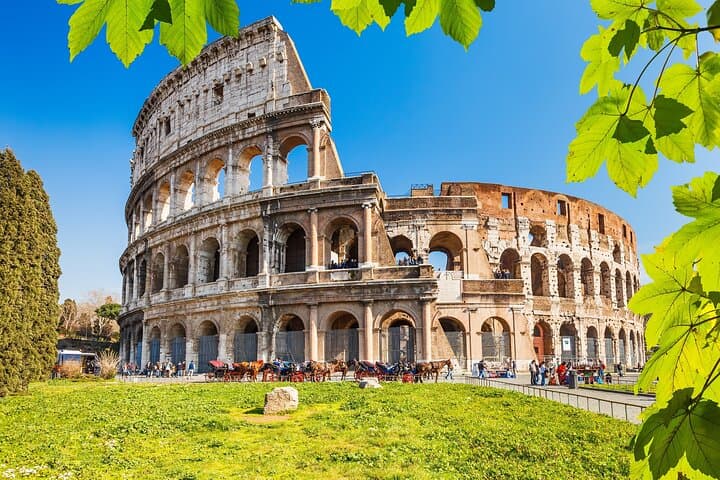
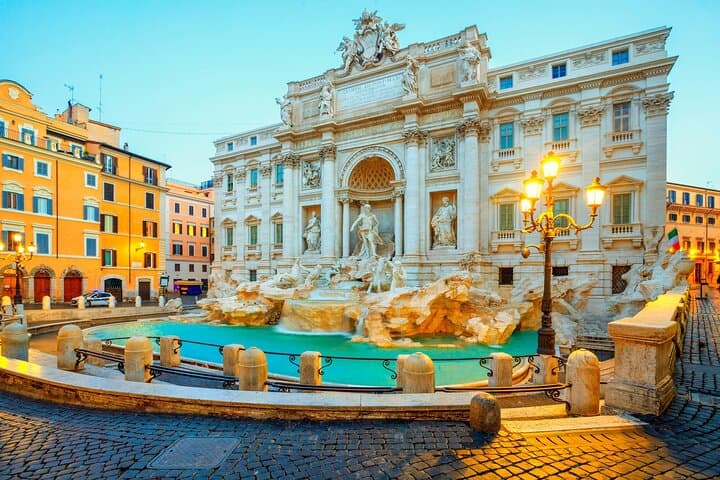
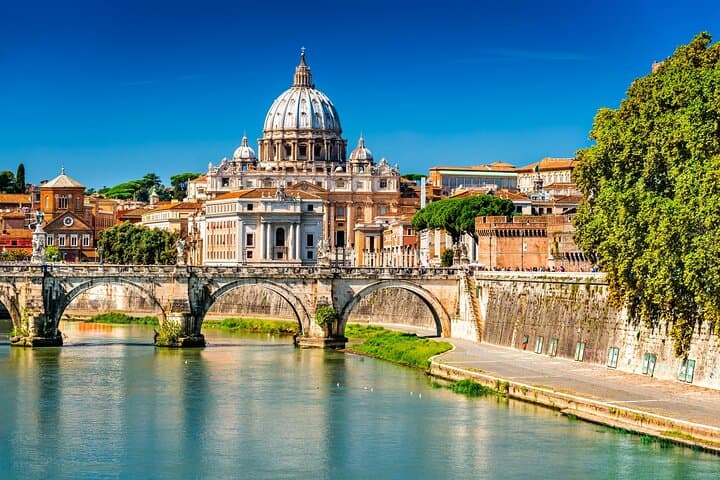
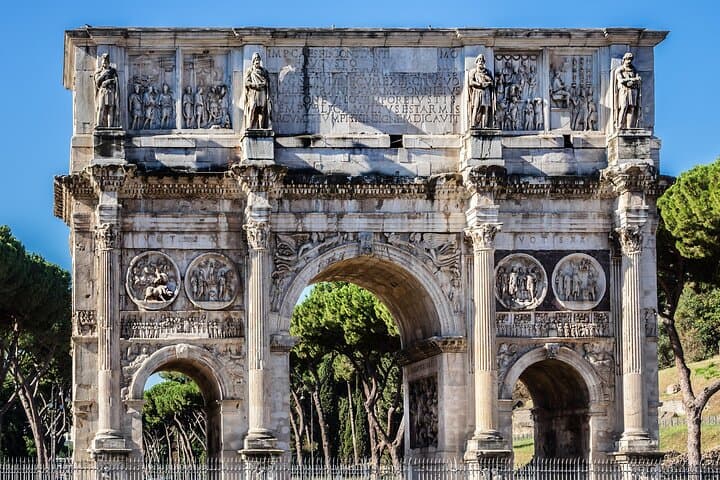
This full-day shore excursion strings together Rome’s essentials: St. Peter’s Square and Basilica’s exterior drama; the Colosseum’s outer façades recalling imperial spectacle; the Pantheon’s oculus and classical proportions; Trajan’s Forum columns; and the baroque flourish of the Trevi Fountain. Geologically the city sits on alluvial plains carved by the Tiber; architecturally it layers Republican, Imperial, Medieval and Papal eras atop one another. Expect a brisk cultural primer — Bernini’s geometry at St. Peter’s, Roman engineering at the Pantheon and layers of imperial propaganda in the forum ruins.
Practicalities steer the day: the roundtrip transfer from Civitavecchia is roughly 60–70 km each way (1–1.5 hours depending on traffic), and walking in central Rome for this itinerary typically totals 3–5 km on mostly flat, cobbled streets with negligible elevation gain. Interiors are not included due to time constraints, so plan separate visits for inside tours. Bring a government ID for port procedures, comfortable supportive shoes for cobbles, a small daypack, and a charged phone for photos and meeting instructions. The operator times pickups to match ship schedules, but allow margin for traffic and security lines; the tour’s aim is maximum exposure to Rome’s highlights with a guaranteed return to ship on schedule.
moderate.
6 hours.
Suitable for travelers who can walk 3–5 km over flat, uneven cobbles and stand for short periods; not suitable for those with serious mobility limits.
No — interiors are not included due to the limited timeframe of cruise shore stops; the tour focuses on exterior highlights and photo stops.
The transfer is typically 60–70 km each way and takes about 1–1.5 hours depending on traffic and port procedures.
This tour involves walking on uneven cobbles and quick transitions; travelers with limited mobility should check accessibility options before booking or request assistance in advance.
Operators schedule return to match published ship times; you should notify the tour provider immediately of any change — confirm their contact details ahead of embarkation.
Rome’s core evolved from an Iron Age settlement into the capital of the Roman Republic and Empire, later layered by Papal and Renaissance-era architecture that defines its present streetscapes.
High visitor numbers strain archaeological sites and narrow streets; follow posted routes, avoid touching fragile stonework, and use official tour paths to reduce impact.
European Tours & Travel operates guided outdoor trips and adventures with an emphasis on safety, stewardship, and memorable experiences.
The ship eases into Civitavecchia and, within an hour, you’re on a highway pushing east toward Rome — the city arrives like a collage of stone and domes. Streets narrow, cobbles change rhythm, and the tour guide’s voice cuts through the hum, pointing out basilicas and piazzas as the bus threads through traffic.
The ship eases into Civitavecchia and, within an hour, you’re on a highway pushing east toward Rome — the city arrives like a collage of stone and domes. Streets narrow, cobbles change rhythm, and the tour guide’s voice cuts through the hum, pointing out basilicas and piazzas as the bus threads through traffic.
This full-day shore excursion strings together Rome’s essentials: St. Peter’s Square and Basilica’s exterior drama; the Colosseum’s outer façades recalling imperial spectacle; the Pantheon’s oculus and classical proportions; Trajan’s Forum columns; and the baroque flourish of the Trevi Fountain. Geologically the city sits on alluvial plains carved by the Tiber; architecturally it layers Republican, Imperial, Medieval and Papal eras atop one another. Expect a brisk cultural primer — Bernini’s geometry at St. Peter’s, Roman engineering at the Pantheon and layers of imperial propaganda in the forum ruins.
Practicalities steer the day: the roundtrip transfer from Civitavecchia is roughly 60–70 km each way (1–1.5 hours depending on traffic), and walking in central Rome for this itinerary typically totals 3–5 km on mostly flat, cobbled streets with negligible elevation gain. Interiors are not included due to time constraints, so plan separate visits for inside tours. Bring a government ID for port procedures, comfortable supportive shoes for cobbles, a small daypack, and a charged phone for photos and meeting instructions. The operator times pickups to match ship schedules, but allow margin for traffic and security lines; the tour’s aim is maximum exposure to Rome’s highlights with a guaranteed return to ship on schedule.