THE ADVENTURE COLLECTIVE® · Independent discovery and booking for outdoor travel

Skip the lines at Hawaii’s most-visited historic site with reserved Arizona Memorial tickets and a guided transfer from Waikiki. This 4–5 hour tour combines on-site orientation, museum exhibits, the Navy shuttle boat, and time at the USS Arizona Memorial.
Skip the lines at Hawaii’s most-visited historic site with reserved Arizona Memorial tickets and a guided transfer from Waikiki. This 4–5 hour tour combines on-site orientation, museum exhibits, the Navy shuttle boat, and time at the USS Arizona Memorial.
The tour opens as Waikiki shrinks in the rearview and the shoreline broadens into the low, naval horizon of Pearl Harbor. Salt air and the thrum of harbor traffic frame the approach; the visitor center sits blunt and deliberate against the water, its concrete walkways leading to the shuttle boat that ferries visitors to the Arizona Memorial. The memorial floats above a wreck that still exhales small, oily stains — a physical reminder that history sits just below the surface.
Verified experiences and guided adventures in the surrounding area.
Operated by Hawaii Luxury Travel Concierge and Limousines LLC · Honolulu, Hawaii
The tour opens as Waikiki shrinks in the rearview and the shoreline broadens into the low, naval horizon of Pearl Harbor. Salt air and the thrum of harbor traffic frame the approach; the visitor center sits blunt and deliberate against the water, its concrete walkways leading to the shuttle boat that ferries visitors to the Arizona Memorial. The memorial floats above a wreck that still exhales small, oily stains — a physical reminder that history sits just below the surface.
Pearl Harbor is a living chapter of 20th-century history. On December 7, 1941, aircraft and ordnance changed Pacific strategy and American life; the USS Arizona sank with 1,177 crew aboard. The Visitor Center’s “Road to War” and “Attack” exhibits present artifacts, oral histories, and salvaged hardware, while outdoor displays like the Lone Sailor statue and submarine memorial add context to the harbor’s military geography.
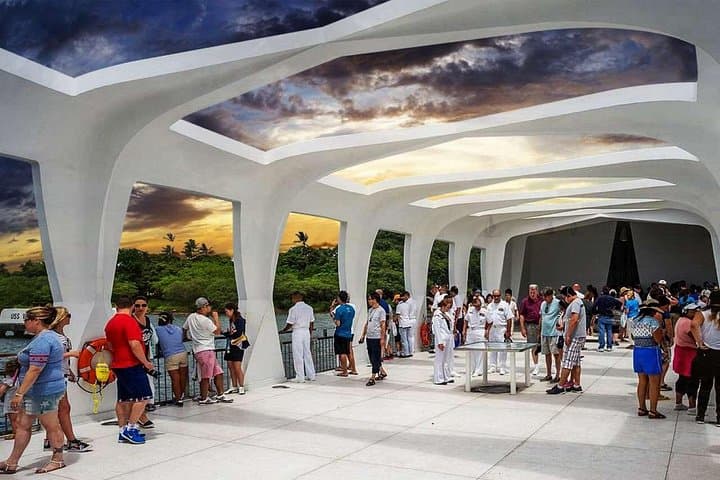
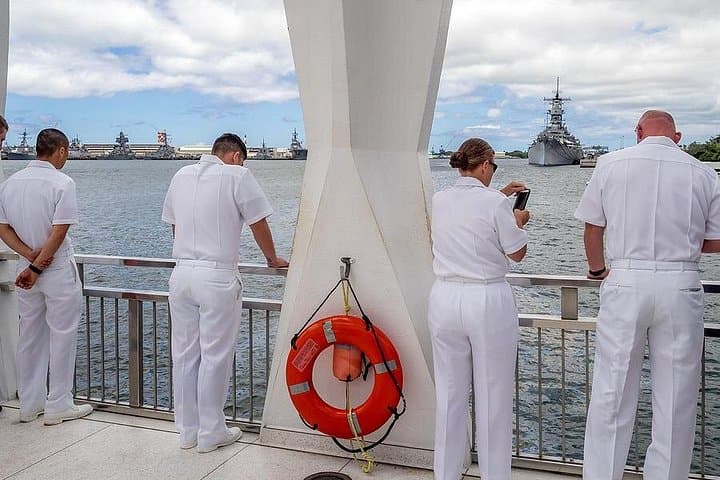
Practically speaking, the experience is structured: a guided transfer from Waikiki, time in two museum galleries, a 23-minute film, and the U.S. Navy shuttle to the memorial. Expect 4–5 hours door-to-door; no bags are permitted into the visitor center, and the Navy controls boat operations — shuttles can be delayed or canceled for safety. Wear comfortable walking shoes, bring sun protection, and carry photo ID or your mobile ticket for entry. Mobility access is available but plan for short stairways at boarding points. Keep conversations low on the memorial, observe the plaques, and allow time at the reflection area; it’s both a historical site and a place of remembrance.
easy.
4–5 hours.
Suitable for most fitness levels; involves moderate standing and short walks on paved surfaces and boarding a shuttle boat.
No. Bags of any kind are not permitted inside the visitor center; clear bags for infant needs or medication may be allowed. Bag storage is available on site for a fee, which can cause delays.
A reserved ticket for the U.S. Navy-operated shuttle to the Arizona Memorial is included, but the Navy controls operations and can delay or cancel trips for safety or operational reasons.
Yes. The visitor center and some shuttle boarding areas accommodate wheelchairs and strollers, though boat boarding may require assistance—notify the operator in advance for support.
Full refunds are available if you cancel at least 24 hours before the scheduled departure; last-minute cancellations (within 24 hours) are not refundable.
Pearl Harbor’s December 7, 1941 attack transformed U.S. involvement in World War II; the USS Arizona Memorial marks the ship’s grave and lists the names of those lost.
The site is managed for both remembrance and preservation—stay on designated paths, avoid touching artifacts or oil-stained areas, and respect restrictions meant to protect the wreck and marine environment.
Hawaii Luxury Travel Concierge and Limousines LLC operates guided outdoor trips and adventures with an emphasis on safety, stewardship, and memorable experiences.
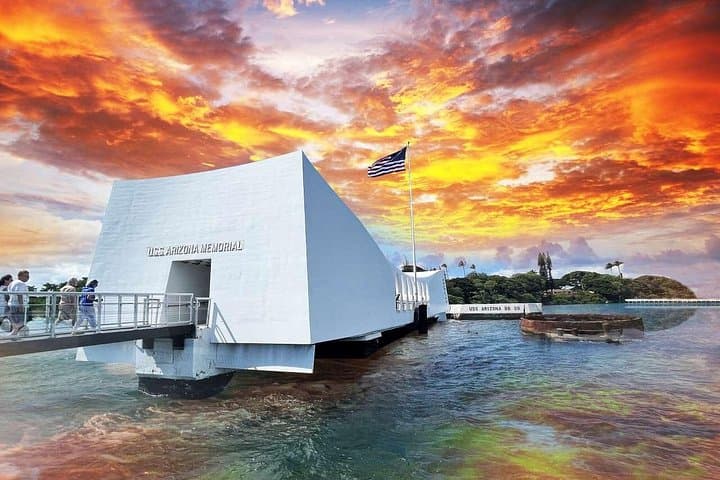
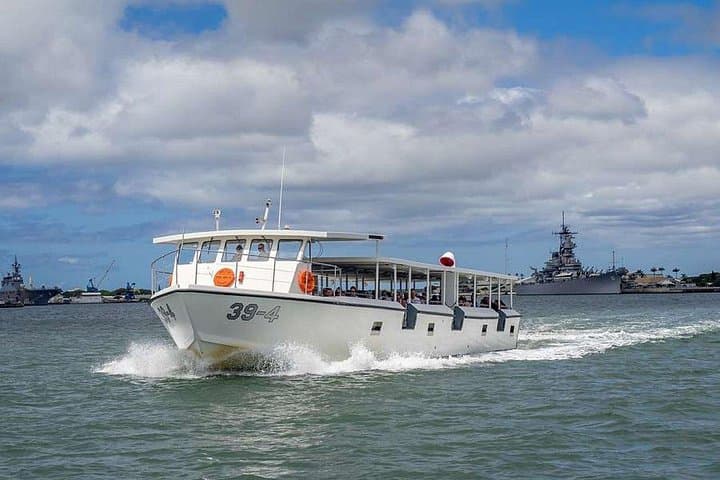
The tour opens as Waikiki shrinks in the rearview and the shoreline broadens into the low, naval horizon of Pearl Harbor. Salt air and the thrum of harbor traffic frame the approach; the visitor center sits blunt and deliberate against the water, its concrete walkways leading to the shuttle boat that ferries visitors to the Arizona Memorial. The memorial floats above a wreck that still exhales small, oily stains — a physical reminder that history sits just below the surface.
The tour opens as Waikiki shrinks in the rearview and the shoreline broadens into the low, naval horizon of Pearl Harbor. Salt air and the thrum of harbor traffic frame the approach; the visitor center sits blunt and deliberate against the water, its concrete walkways leading to the shuttle boat that ferries visitors to the Arizona Memorial. The memorial floats above a wreck that still exhales small, oily stains — a physical reminder that history sits just below the surface.
Pearl Harbor is a living chapter of 20th-century history. On December 7, 1941, aircraft and ordnance changed Pacific strategy and American life; the USS Arizona sank with 1,177 crew aboard. The Visitor Center’s “Road to War” and “Attack” exhibits present artifacts, oral histories, and salvaged hardware, while outdoor displays like the Lone Sailor statue and submarine memorial add context to the harbor’s military geography.
Practically speaking, the experience is structured: a guided transfer from Waikiki, time in two museum galleries, a 23-minute film, and the U.S. Navy shuttle to the memorial. Expect 4–5 hours door-to-door; no bags are permitted into the visitor center, and the Navy controls boat operations — shuttles can be delayed or canceled for safety. Wear comfortable walking shoes, bring sun protection, and carry photo ID or your mobile ticket for entry. Mobility access is available but plan for short stairways at boarding points. Keep conversations low on the memorial, observe the plaques, and allow time at the reflection area; it’s both a historical site and a place of remembrance.