THE ADVENTURE COLLECTIVE® · Independent discovery and booking for outdoor travel

Cruise the Nile between Luxor and Aswan on a four-night deluxe ship, combining comfortable cabins, guided Egyptologist-led temple visits and optional experiences like hot-air ballooning and Abu Simbel. Read on for what to expect ashore, practical tips, and seasonal considerations.
Cruise the Nile between Luxor and Aswan on a four-night deluxe ship, combining comfortable cabins, guided Egyptologist-led temple visits and optional experiences like hot-air ballooning and Abu Simbel. Read on for what to expect ashore, practical tips, and seasonal considerations.
Dawn slides along the Nile like a slow promise: pale light catching on the river’s braided channels while the cruise’s decks warm under a soft breeze. Passengers step from cushioned cabins into a world of sandstone pylons and palm-lined corniches—each temple doorway a weathered face that still reads power and prayer.
Verified experiences and guided adventures in the surrounding area.
Operated by Egypt Unlimited Tours · Luxor, Luxor Governorate
Dawn slides along the Nile like a slow promise: pale light catching on the river’s braided channels while the cruise’s decks warm under a soft breeze. Passengers step from cushioned cabins into a world of sandstone pylons and palm-lined corniches—each temple doorway a weathered face that still reads power and prayer.
The route between Luxor and Aswan follows the heart of Upper Egypt, where the river carved a narrow alluvial ribbon through limestone and sandstone. This stretch hosts New Kingdom funerary complexes—Valley of the Kings, Hatshepsut’s mortuary terraces—and later Ptolemaic shrines such as Philae, rebuilt island-side after the Aswan High Dam altered the floodplain. Local life threads between antiquity and the present: feluccas ferrying commuters, market sellers near Luxor Temple, and Nubian craftsmen around Aswan.
Onboard, expect full-board meals, evening cultural shows, and guided ashore visits led by an Egyptologist to unpack hieroglyphic scenes and burial rites. Shore visits require walking on uneven stone and climbing short flights of ancient steps; summer heat is intense, winter mornings cool.
Practical guidance: carry a lightweight daypack with sun protection and at least 1–2 liters of water for temple walks, wear closed-toe shoes with good traction, and bring a camera with spare batteries (power on board may be limited). Plan optional add-ons—hot-air balloon at Luxor or Abu Simbel from Aswan—well in advance. With measured pacing, the cruise balances calm river time with concentrated, unforgettable encounters with Egypt’s archaeological core.
moderate.
5 days, 4 nights.
Suitable for travelers who can walk 1–3 miles intermittently over uneven surfaces and climb short flights of steps.
Most main temple admissions listed in the itinerary are included, but optional sites like Abu Simbel or balloon rides typically cost extra.
The supplier notes wheelchair-accessible facilities and transfers, but access at some ancient sites involves stairs and narrow passages—check specific mobility requirements before booking.
Dress is smart-casual aboard; ashore, modest clothing that covers shoulders and knees is recommended for temple visits.
Private deluxe air-conditioned transfers are provided as listed; confirm pickup location and flight details at booking to coordinate meet-and-assist services.
The Nile Valley between Luxor and Aswan was Egypt’s ancient core: New Kingdom pharaohs built tombs and mortuary temples here, while Ptolemaic rulers later expanded cult centers like Philae.
Rising tourism and water management from the Aswan High Dam have altered the floodplain and visitation patterns; choose responsible operators and avoid touching carvings to limit wear.
Egypt Unlimited Tours operates guided outdoor trips and adventures with an emphasis on safety, stewardship, and memorable experiences.
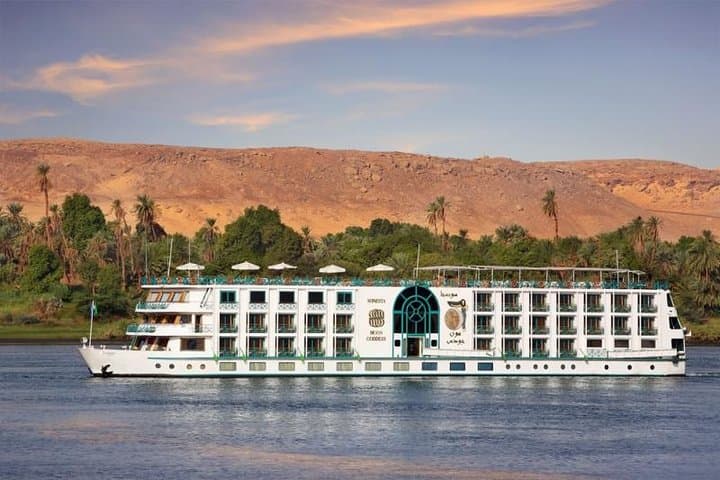
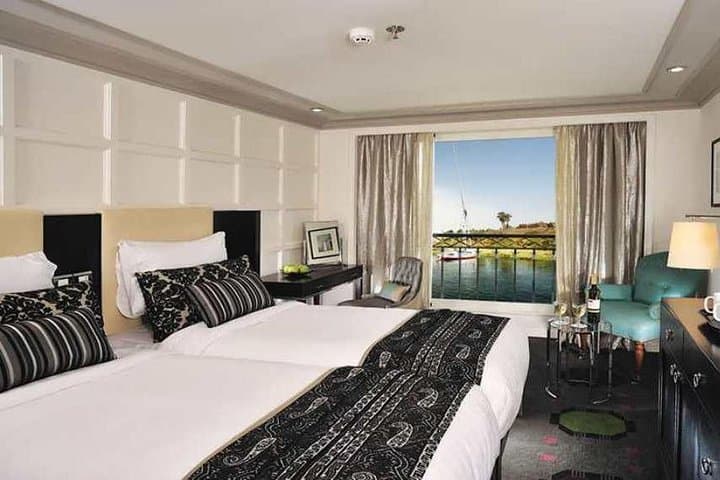
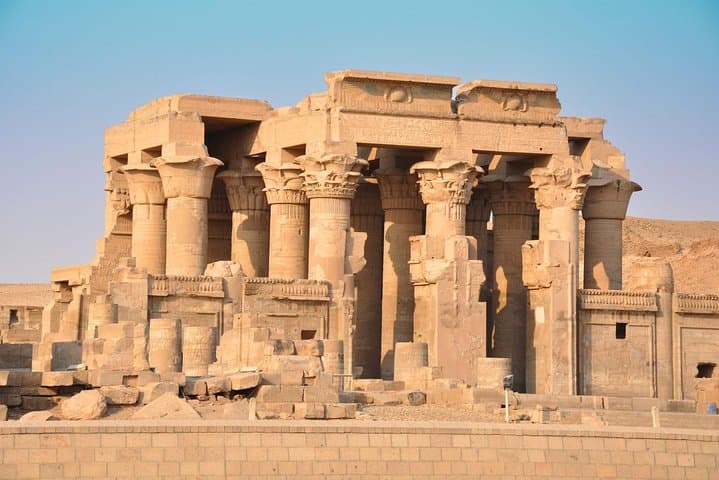
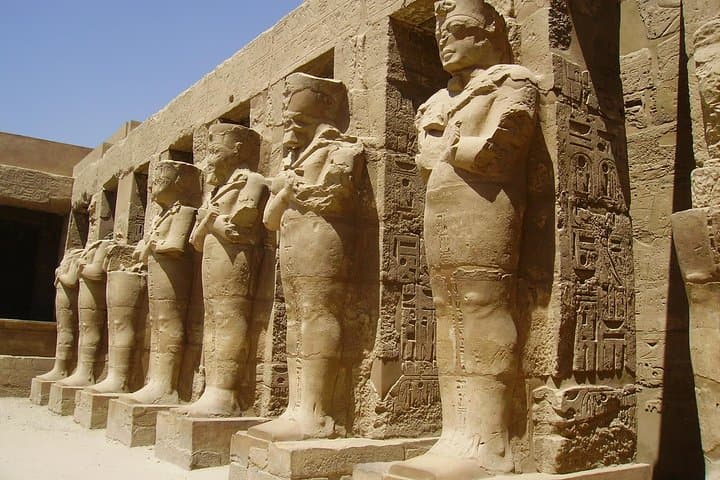
Dawn slides along the Nile like a slow promise: pale light catching on the river’s braided channels while the cruise’s decks warm under a soft breeze. Passengers step from cushioned cabins into a world of sandstone pylons and palm-lined corniches—each temple doorway a weathered face that still reads power and prayer.
Dawn slides along the Nile like a slow promise: pale light catching on the river’s braided channels while the cruise’s decks warm under a soft breeze. Passengers step from cushioned cabins into a world of sandstone pylons and palm-lined corniches—each temple doorway a weathered face that still reads power and prayer.
The route between Luxor and Aswan follows the heart of Upper Egypt, where the river carved a narrow alluvial ribbon through limestone and sandstone. This stretch hosts New Kingdom funerary complexes—Valley of the Kings, Hatshepsut’s mortuary terraces—and later Ptolemaic shrines such as Philae, rebuilt island-side after the Aswan High Dam altered the floodplain. Local life threads between antiquity and the present: feluccas ferrying commuters, market sellers near Luxor Temple, and Nubian craftsmen around Aswan.
Onboard, expect full-board meals, evening cultural shows, and guided ashore visits led by an Egyptologist to unpack hieroglyphic scenes and burial rites. Shore visits require walking on uneven stone and climbing short flights of ancient steps; summer heat is intense, winter mornings cool.
Practical guidance: carry a lightweight daypack with sun protection and at least 1–2 liters of water for temple walks, wear closed-toe shoes with good traction, and bring a camera with spare batteries (power on board may be limited). Plan optional add-ons—hot-air balloon at Luxor or Abu Simbel from Aswan—well in advance. With measured pacing, the cruise balances calm river time with concentrated, unforgettable encounters with Egypt’s archaeological core.