THE ADVENTURE COLLECTIVE® · Independent discovery and booking for outdoor travel

Two days of Greece’s sweep: consult the oracle at Delphi, then climb light trails to Meteora’s cliff-top monasteries. This private tour blends cultural sites, dramatic geology, and tucked-away local stops with flexible pacing.
Two days of Greece’s sweep: consult the oracle at Delphi, then climb light trails to Meteora’s cliff-top monasteries. This private tour blends cultural sites, dramatic geology, and tucked-away local stops with flexible pacing.
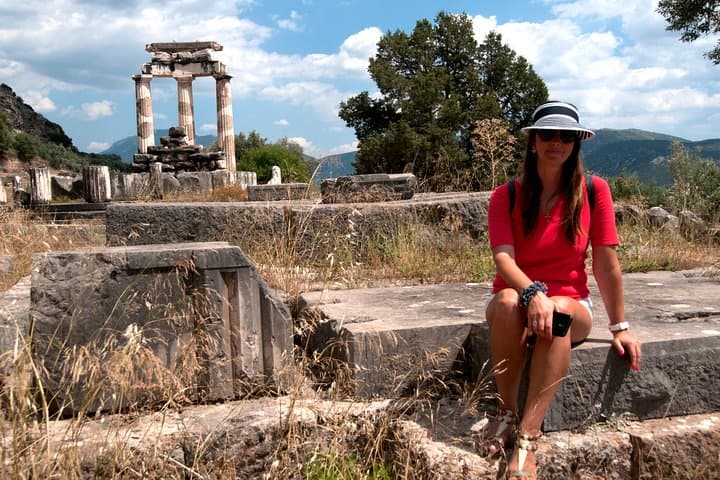
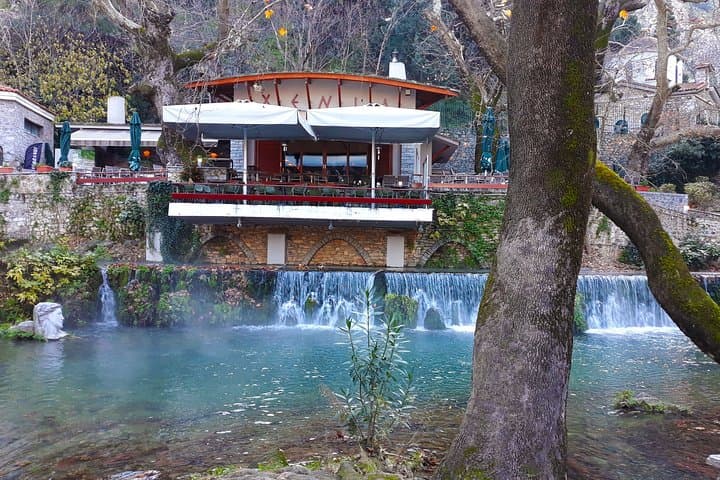
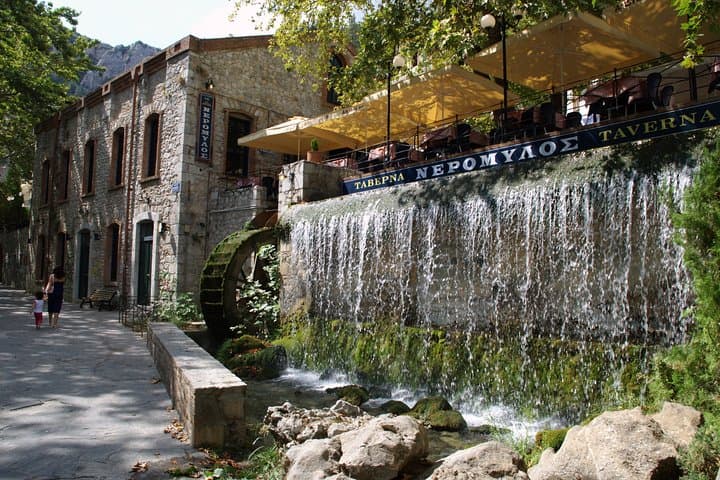
A wind from the Pindus pushes across the Thessalian plain as the minivan winds toward a skyline punctuated by sheer stone pillars. On day one the road climbs to Delphi, where marble columns and the omphalos sit on the flanks of Mount Parnassus and the air carries the hush of centuries. Travelers move from riverbank cafés in Levadia to temple terraces, listening to the driver’s recorded histories as the landscape opens.
Verified experiences and guided adventures in the surrounding area.
Operated by GREECE TAXI · Athens, Attica
A wind from the Pindus pushes across the Thessalian plain as the minivan winds toward a skyline punctuated by sheer stone pillars. On day one the road climbs to Delphi, where marble columns and the omphalos sit on the flanks of Mount Parnassus and the air carries the hush of centuries. Travelers move from riverbank cafés in Levadia to temple terraces, listening to the driver’s recorded histories as the landscape opens.
Delphi was the religious center of the classical Greek world, famed for the Pythia and the rituals that shaped decisions across the Mediterranean. Geologically, Delphi perches on limestone slopes beneath Parnassus, while Meteora’s towers are conglomerate sandstone carved into columns by millennia of wind and water. The monasteries of Meteora—built from the 14th century—are cultural vaults of Orthodox practice, perched where rock dares the sky.
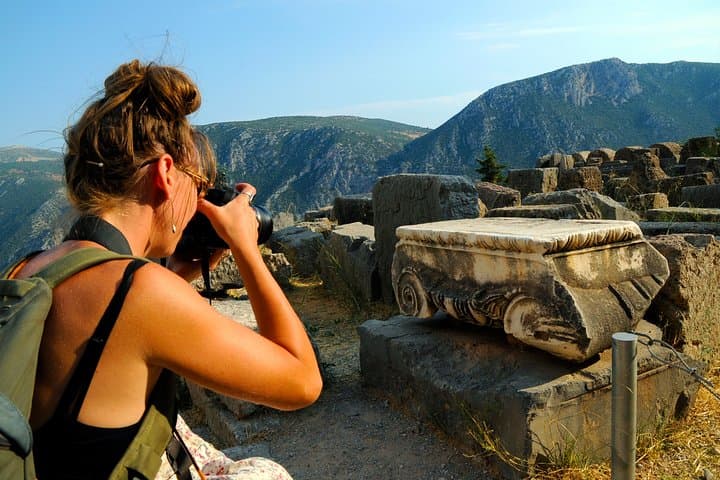
Practically: this private two-day loop covers roughly 330 km between Athens and central Greece with multi-hour drives broken by site visits. Expect light to moderate walking on uneven ancient stone, staircases at monasteries, and photography stops at sunrise or sunset lighting. Wear sturdy shoes, bring layers (mountain mornings are cool), and carry water—timetables hinge on season and daylight. Museum and site fees are modest; some museums close on Tuesdays and national holidays. Accommodation can be arranged in Kastraki or you can return to Athens; reserve at least two weeks ahead in high season. The trip balances culture and landscape: it moves at the pace of the road and the ruins, with plenty of room for detours and local food tastings along the way.
moderate.
2 days.
Light to moderate fitness—able to walk 1–3 miles across uneven terrain and climb stone steps multiple times.
Expect several hours of driving each day—Athens to Delphi ~2.5 hours, Delphi to Meteora cumulative—so plan for scenic stops and restroom breaks.
General site and museum tickets are not included; Delphi and Meteora have modest per-site fees (Delphi museum/site and €3 per Meteora monastery as noted).
The driver provides historical commentary and documentaries, but a licensed archaeologist guide must be hired separately if you want guided tours inside museums and archaeological sites.
The tour suits most fitness levels for driving and short walks; monastery access involves stairs and narrow paths—those with limited mobility should check accessibility at specific sites.
Delphi was the pan-Hellenic sanctuary where the Pythia delivered prophecies; Meteora’s monasteries grew in the Byzantine era as hermitages on sandstone pillars that offered refuge and solitude.
Both sites sit on UNESCO-protected landscapes—stay on marked paths, respect monastery rules (modest dress), and avoid leaving waste to protect fragile rock and cultural heritage.
GREECE TAXI operates guided outdoor trips and adventures with an emphasis on safety, stewardship, and memorable experiences.
A wind from the Pindus pushes across the Thessalian plain as the minivan winds toward a skyline punctuated by sheer stone pillars. On day one the road climbs to Delphi, where marble columns and the omphalos sit on the flanks of Mount Parnassus and the air carries the hush of centuries. Travelers move from riverbank cafés in Levadia to temple terraces, listening to the driver’s recorded histories as the landscape opens.
A wind from the Pindus pushes across the Thessalian plain as the minivan winds toward a skyline punctuated by sheer stone pillars. On day one the road climbs to Delphi, where marble columns and the omphalos sit on the flanks of Mount Parnassus and the air carries the hush of centuries. Travelers move from riverbank cafés in Levadia to temple terraces, listening to the driver’s recorded histories as the landscape opens.
Delphi was the religious center of the classical Greek world, famed for the Pythia and the rituals that shaped decisions across the Mediterranean. Geologically, Delphi perches on limestone slopes beneath Parnassus, while Meteora’s towers are conglomerate sandstone carved into columns by millennia of wind and water. The monasteries of Meteora—built from the 14th century—are cultural vaults of Orthodox practice, perched where rock dares the sky.
Practically: this private two-day loop covers roughly 330 km between Athens and central Greece with multi-hour drives broken by site visits. Expect light to moderate walking on uneven ancient stone, staircases at monasteries, and photography stops at sunrise or sunset lighting. Wear sturdy shoes, bring layers (mountain mornings are cool), and carry water—timetables hinge on season and daylight. Museum and site fees are modest; some museums close on Tuesdays and national holidays. Accommodation can be arranged in Kastraki or you can return to Athens; reserve at least two weeks ahead in high season. The trip balances culture and landscape: it moves at the pace of the road and the ruins, with plenty of room for detours and local food tastings along the way.