THE ADVENTURE COLLECTIVE® · Independent discovery and booking for outdoor travel

Spend a long day tracing two pillars of classical Greece: the narrow pass of Thermopylae where Leonidas stood, and the mountain sanctuary of Delphi, once the world’s most famous oracle. This practical day tour mixes accessible walking, dramatic scenery, and clear historical context.
Spend a long day tracing two pillars of classical Greece: the narrow pass of Thermopylae where Leonidas stood, and the mountain sanctuary of Delphi, once the world’s most famous oracle. This practical day tour mixes accessible walking, dramatic scenery, and clear historical context.
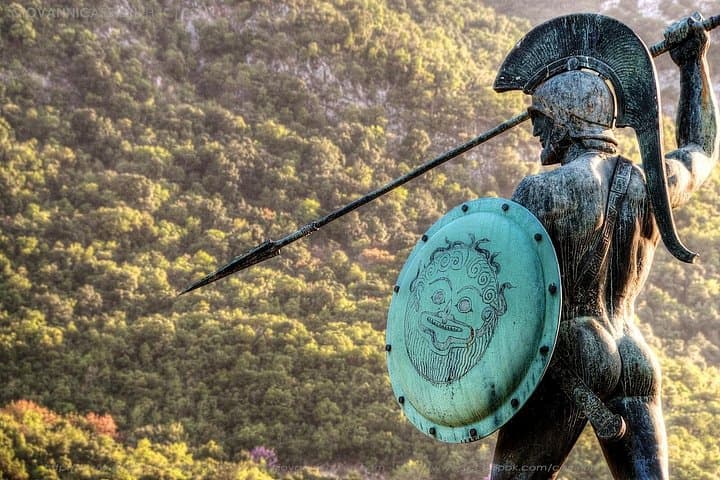
You step out of an air-conditioned van onto a strip of wind and salt where the sea once squeezed through a narrow corridor. At Thermopylae the wind seems to push the past at you—the flat plain, a lone bronze Leonidas, and the smell of hot springs that gave this place its name. Later the road climbs into Parnassos; the rock faces of the Phaedriades loom, throwing their cool stone shadow over the sanctuary at Delphi as if listening for voices.
Verified experiences and guided adventures in the surrounding area.
Operated by Greece Athens Taxi GAT · Delphi, Phocis
You step out of an air-conditioned van onto a strip of wind and salt where the sea once squeezed through a narrow corridor. At Thermopylae the wind seems to push the past at you—the flat plain, a lone bronze Leonidas, and the smell of hot springs that gave this place its name. Later the road climbs into Parnassos; the rock faces of the Phaedriades loom, throwing their cool stone shadow over the sanctuary at Delphi as if listening for voices.
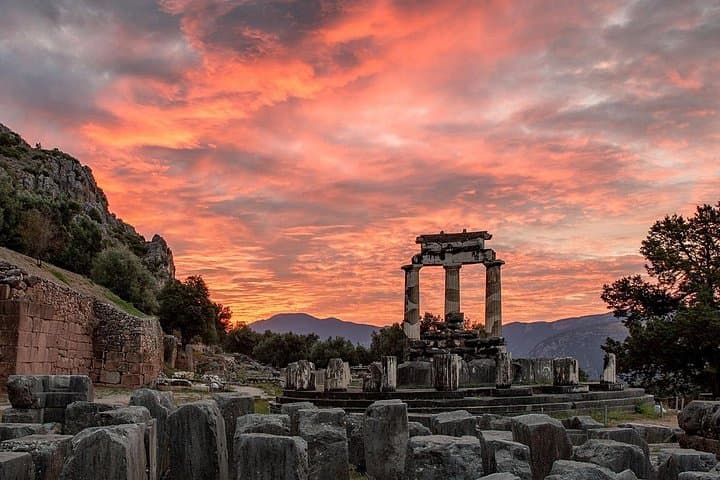
This is a day that moves from headline history to reverent high places. Thermopylae marks the 480 BC clash immortalized by Herodotus and later storytellers; its memorial and small visitor center explain the battle and the region’s thermal geology. Delphi equally blends religion and geology—the oracle sat where tectonic fractures and karst springs shaped a dramatic amphitheater of stone. Arachova, the nearby mountain town, adds modern culture: tavernas, wool shops, and ski-season energy.
Practical guidance matters on this long day. Expect 8–10 hours total, with two short walking circuits: Thermopylae’s flat battlefield (10–30 minutes of strolling) and Delphi’s archaeological site (roughly 0.8–1.2 km of uphill stone paths with about 100–200 m elevation change from the modern parking area to the stadium). Wear sturdy walking shoes with grip for uneven marble steps, bring sunscreen and water, and carry any museum or archaeological site fees—some entrances are seasonal. Mornings are cooler and less crowded; plan pickup from Athens and check seasonal opening times for sites. Respect ropes and signs: erosion is the greatest threat to these ruins, and sticking to paths helps keep them standing for the next visitor.
moderate.
8–10 hours.
Light to moderate fitness; able to walk 1–2 miles on uneven, uphill paths and stand during museum visits.
This tour assists with skip-the-line ticket purchase if you choose, but standard site admission fees are typically not included and are paid separately on site.
Thermopylae requires only a short stroll around the memorial; Delphi involves uphill walking over uneven ancient steps—expect about 30–60 minutes to traverse the main archaeological route.
The tour is marketed as suitable for all fitness levels, but Delphi’s slopes and steps can be challenging for limited mobility; contact the operator about accessibility options and pickup arrangements.
Layered clothing works best—mornings can be cool in the mountains while afternoons are hot on the plain; a light rain shell in spring and fall is helpful.
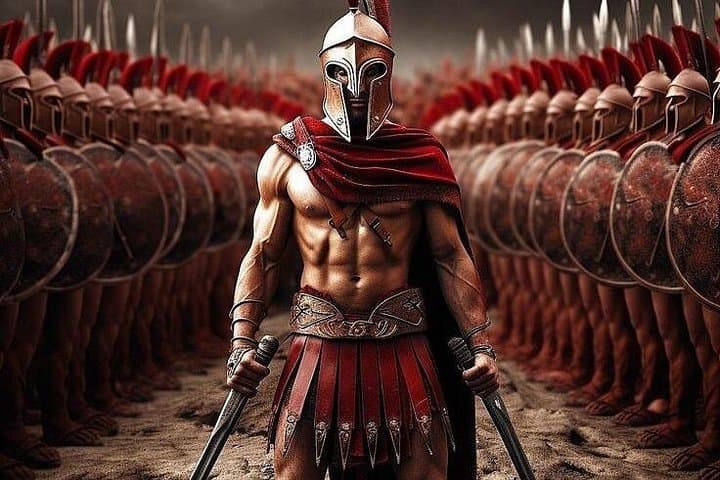
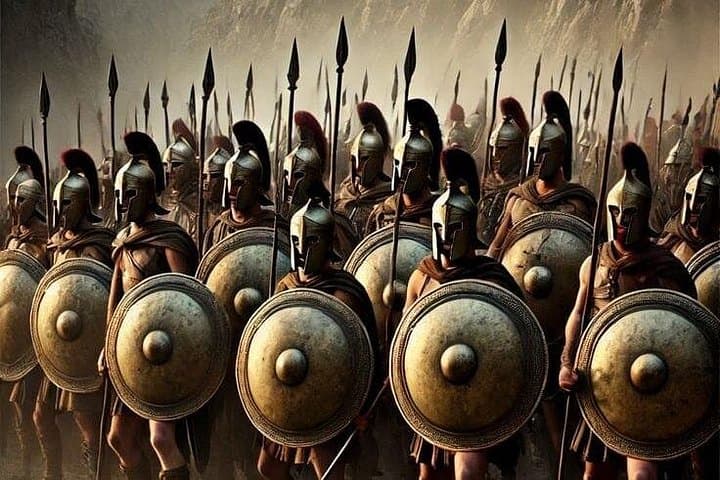
Thermopylae commemorates the 480 BC stand of King Leonidas and his Spartans; Delphi was the pan-Hellenic sanctuary where the Oracle of Apollo influenced politics, colonization, and religion for centuries.
Both sites are protected archaeological areas; erosion from foot traffic and modern development are ongoing concerns—stick to pathways, avoid touching fragile sculptures, and support site museums when possible.
Greece Athens Taxi GAT operates guided outdoor trips and adventures with an emphasis on safety, stewardship, and memorable experiences.
You step out of an air-conditioned van onto a strip of wind and salt where the sea once squeezed through a narrow corridor. At Thermopylae the wind seems to push the past at you—the flat plain, a lone bronze Leonidas, and the smell of hot springs that gave this place its name. Later the road climbs into Parnassos; the rock faces of the Phaedriades loom, throwing their cool stone shadow over the sanctuary at Delphi as if listening for voices.
You step out of an air-conditioned van onto a strip of wind and salt where the sea once squeezed through a narrow corridor. At Thermopylae the wind seems to push the past at you—the flat plain, a lone bronze Leonidas, and the smell of hot springs that gave this place its name. Later the road climbs into Parnassos; the rock faces of the Phaedriades loom, throwing their cool stone shadow over the sanctuary at Delphi as if listening for voices.
This is a day that moves from headline history to reverent high places. Thermopylae marks the 480 BC clash immortalized by Herodotus and later storytellers; its memorial and small visitor center explain the battle and the region’s thermal geology. Delphi equally blends religion and geology—the oracle sat where tectonic fractures and karst springs shaped a dramatic amphitheater of stone. Arachova, the nearby mountain town, adds modern culture: tavernas, wool shops, and ski-season energy.
Practical guidance matters on this long day. Expect 8–10 hours total, with two short walking circuits: Thermopylae’s flat battlefield (10–30 minutes of strolling) and Delphi’s archaeological site (roughly 0.8–1.2 km of uphill stone paths with about 100–200 m elevation change from the modern parking area to the stadium). Wear sturdy walking shoes with grip for uneven marble steps, bring sunscreen and water, and carry any museum or archaeological site fees—some entrances are seasonal. Mornings are cooler and less crowded; plan pickup from Athens and check seasonal opening times for sites. Respect ropes and signs: erosion is the greatest threat to these ruins, and sticking to paths helps keep them standing for the next visitor.