THE ADVENTURE COLLECTIVE® · Independent discovery and booking for outdoor travel

Spend a day discovering Delphi’s Oracle, the Temple of Apollo and the Archaeological Museum on a customizable private tour from Athens. This full‑day trip combines flexible pacing, local insight, and transport to help you make the most of the site and nearby Arachova.
Spend a day discovering Delphi’s Oracle, the Temple of Apollo and the Archaeological Museum on a customizable private tour from Athens. This full‑day trip combines flexible pacing, local insight, and transport to help you make the most of the site and nearby Arachova.
A low-slung van slides away from Athens as the highway opens into the stubbled plains of Boeotia. By midmorning you’ll stand where pilgrims once approached the Omphalos—the stone that marked the world’s navel—and feel the mountain air sharpen around ruins that still hold arguments with wind and time.
Verified experiences and guided adventures in the surrounding area.
Operated by Santorini i-Land Tours · Delphi, Phocis
A low-slung van slides away from Athens as the highway opens into the stubbled plains of Boeotia. By midmorning you’ll stand where pilgrims once approached the Omphalos—the stone that marked the world’s navel—and feel the mountain air sharpen around ruins that still hold arguments with wind and time.
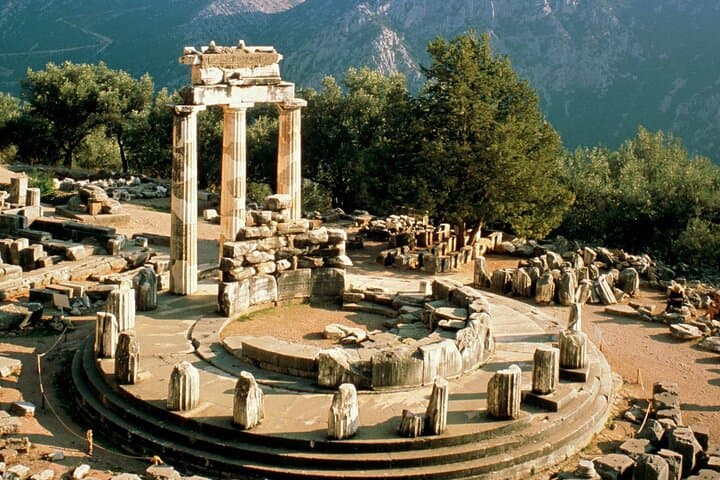
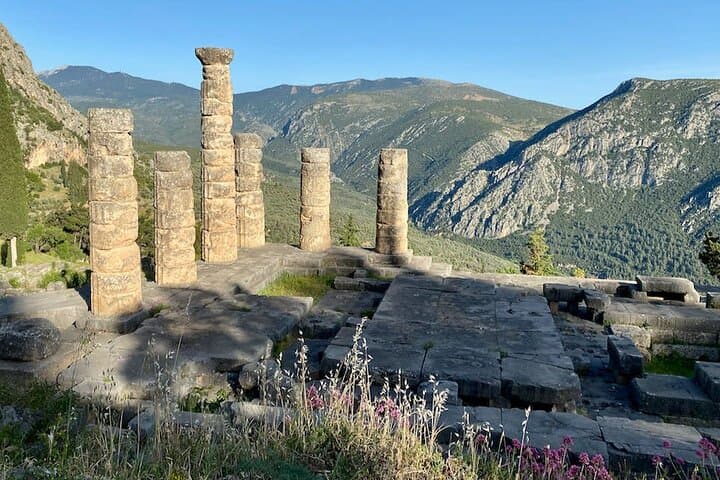
Delphi’s significance is both human and geological: carved terraces cling to Mount Parnassus, volcanic rock underpins the site, and ancient Greeks converged here for prophetic counsel and pan‑Hellenic games. The Temple of Apollo, the Sanctuary of Athena Pronaia and the Charioteer in the Archaeological Museum trace centuries of ritual, politics and artistry. Nearby Arachova adds a local cultural contrast—its stone streets and tavernas reflect a mountain community shaped by winter tourism and pastoral life.
Practical guidance: a private driver gives eight hours of flexible time—enough to move through the main archaeological zone, visit the museum, and detour to Arachova or a scenic overlook. Expect uneven marble steps, exposed sites with little shade, and short uphill sections between ruins; allow 2–3 hours at the archaeological site and another 1–2 at the museum. Admission to sites is separate from transport; bring cash or card and plan for busy mid‑day hours in summer. Hydrate, wear sturdy shoes, and schedule the museum visit for the hottest hours when the open site is least comfortable. A private trip is ideal for pacing the day to your interests—architecture, myth, or photography—and gives small-group flexibility to avoid crowds and focus on the stories that matter to you.
moderate.
8 hours.
Moderate fitness—able to walk on uneven ground, climb short stone stairways, and stand for museum exhibits.
No—transport and driver are included but entrance fees are paid on site; bring euros or card as accepted.
Plan 2–3 hours for the archaeological site and another 1–2 hours for the museum to see highlights without rushing.
Children can join but infants must sit on laps; the site has uneven terrain and steps—those with limited mobility should contact the operator to arrange suitable pickup and pacing.
Yes—the private driver provides 8 hours of disposal and can adjust the route to include Arachova, viewpoints, or short hikes upon request.
Delphi was the pan‑Hellenic sanctuary of Apollo and home to the Delphic Oracle; city-states sent offerings and consulted the Pythia on matters from war to colonization.
High visitor numbers and weathering threaten exposed marble; stay on marked paths, avoid touching fragile reliefs, and support local conservation-minded businesses when possible.
Santorini i-Land Tours operates guided outdoor trips and adventures with an emphasis on safety, stewardship, and memorable experiences.
A low-slung van slides away from Athens as the highway opens into the stubbled plains of Boeotia. By midmorning you’ll stand where pilgrims once approached the Omphalos—the stone that marked the world’s navel—and feel the mountain air sharpen around ruins that still hold arguments with wind and time.
A low-slung van slides away from Athens as the highway opens into the stubbled plains of Boeotia. By midmorning you’ll stand where pilgrims once approached the Omphalos—the stone that marked the world’s navel—and feel the mountain air sharpen around ruins that still hold arguments with wind and time.
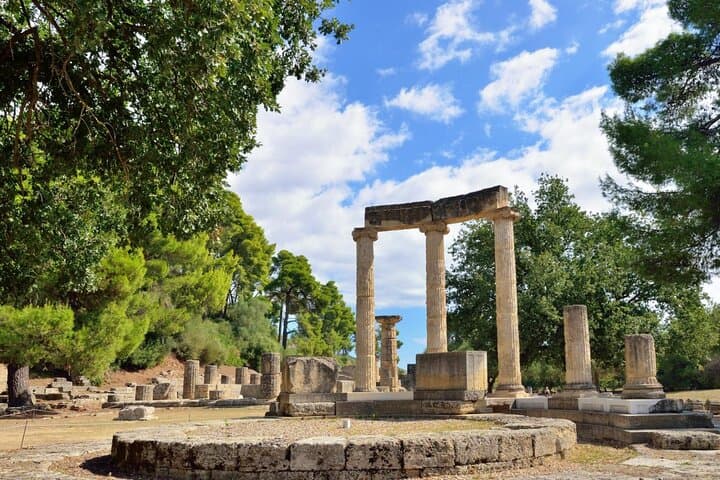
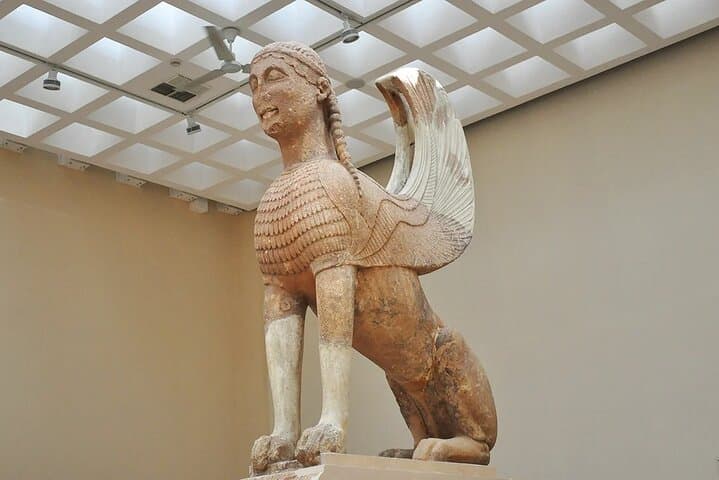
Delphi’s significance is both human and geological: carved terraces cling to Mount Parnassus, volcanic rock underpins the site, and ancient Greeks converged here for prophetic counsel and pan‑Hellenic games. The Temple of Apollo, the Sanctuary of Athena Pronaia and the Charioteer in the Archaeological Museum trace centuries of ritual, politics and artistry. Nearby Arachova adds a local cultural contrast—its stone streets and tavernas reflect a mountain community shaped by winter tourism and pastoral life.
Practical guidance: a private driver gives eight hours of flexible time—enough to move through the main archaeological zone, visit the museum, and detour to Arachova or a scenic overlook. Expect uneven marble steps, exposed sites with little shade, and short uphill sections between ruins; allow 2–3 hours at the archaeological site and another 1–2 at the museum. Admission to sites is separate from transport; bring cash or card and plan for busy mid‑day hours in summer. Hydrate, wear sturdy shoes, and schedule the museum visit for the hottest hours when the open site is least comfortable. A private trip is ideal for pacing the day to your interests—architecture, myth, or photography—and gives small-group flexibility to avoid crowds and focus on the stories that matter to you.