THE ADVENTURE COLLECTIVE® · Independent discovery and booking for outdoor travel

A full-day private transfer from Athens that pairs Delphi’s classical ruins with Meteora’s cliffside monasteries. Expect long drives, guided history, stair climbs, and striking geology.
A full-day private transfer from Athens that pairs Delphi’s classical ruins with Meteora’s cliffside monasteries. Expect long drives, guided history, stair climbs, and striking geology.
You step out of an air-conditioned sedan onto a windswept terrace above an archaeological site; the air smells of sun-baked limestone and distant pines, and the slope below opens to a valley that once guided pilgrims to a single point of authority. That is Delphi, where stone aisles and column fragments keep a measured silence, and later the road climbs through Thessaly to where Meteora’s sandstone towers thrust skyward, monks’ bells echoing like punctuation in a wide, weathered sky.
Verified experiences and guided adventures in the surrounding area.
Operated by Yomadic.Tours & Transfers · Athens, Attica
You step out of an air-conditioned sedan onto a windswept terrace above an archaeological site; the air smells of sun-baked limestone and distant pines, and the slope below opens to a valley that once guided pilgrims to a single point of authority. That is Delphi, where stone aisles and column fragments keep a measured silence, and later the road climbs through Thessaly to where Meteora’s sandstone towers thrust skyward, monks’ bells echoing like punctuation in a wide, weathered sky.
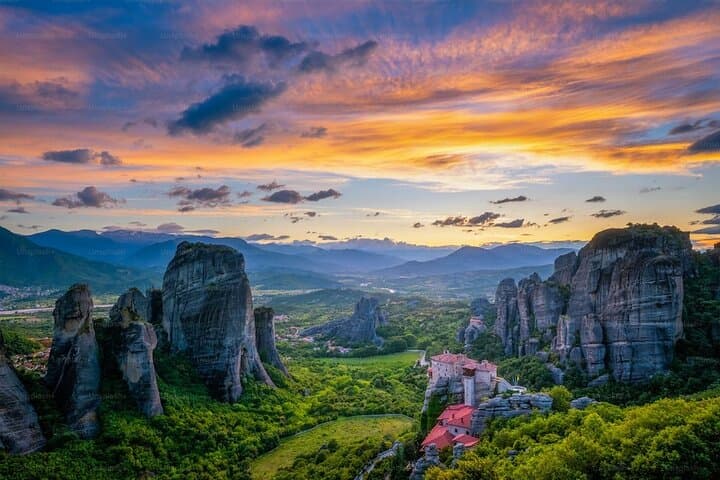
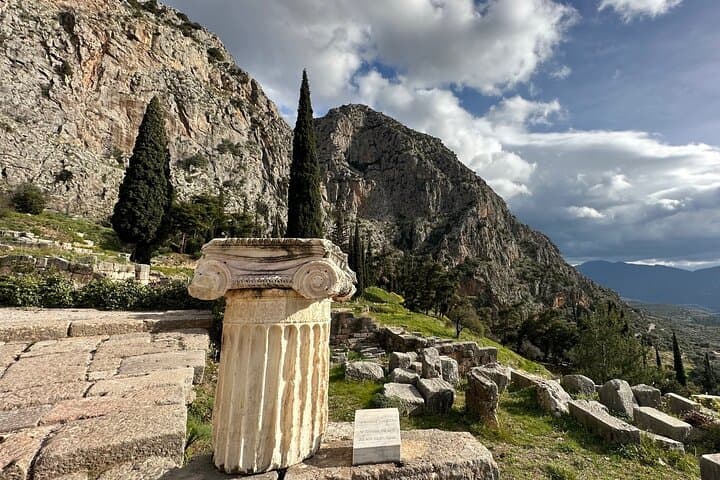
Delphi was the religious center of classical Greece—home to the Temple of Apollo and the Pythia—built on limestone benches of Mount Parnassus. Meteora’s pillars are geological outliers: conglomerate and sandstone sculpted by millions of years of erosion into vertical spires that monks chose for isolation in the early Christian era. Together they map two chapters of Greek culture—civic ritual and monastic retreat—each with its own architecture, iconography, and landscape logic.
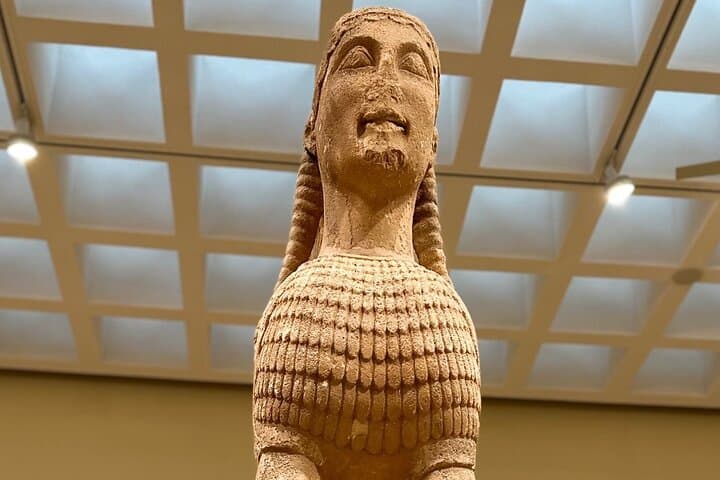
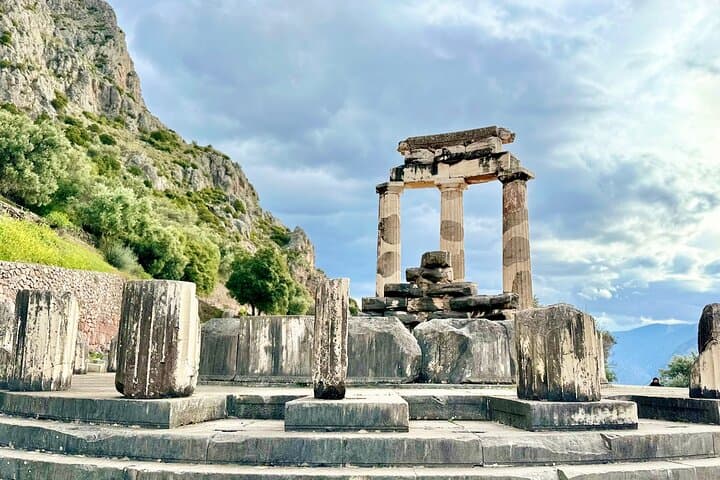
On a private luxury day tour from Athens expect guided access to the Temple of Apollo, the Delphi Archaeological Museum, the Tholos at Athena Pronoia, and several Meteora monasteries. The trip is long—plan for 10–13 hours with extended drives—and includes stair climbs, uneven paths, and photo stops. Bring layered clothing for temperature swings, sturdy shoes for cobbled slopes and monastery steps, sunscreen, and a reusable water bottle. Morning light favors Delphi’s ruins; late afternoon softens Meteora’s cliffs.
Practical: confirm pick-up location and mobility needs in advance, carry cash for small monastery donations and museum tickets, and leave no trace—these sites are fragile and managed to balance access with preservation.
moderate.
10–13 hours.
Suitable for travellers who can walk short distances over uneven ground and climb stairs; not recommended for limited mobility without prior arrangements.
Expect a full day—roughly 10–13 hours—with about 4–5 hours driving each way between Athens, Delphi and Meteora depending on traffic and itinerary timing.
The tour includes guided visits but check the booking for specific admissions; many monastery entries require a small donation and modest dress (shoulders/knees covered).
Private tours can often adapt itineraries; inform the operator of mobility needs when booking so they can plan fewer stairs and longer stops or suggest alternatives.
Some private tours include bottled water and may organize lunch stops; confirm whether meals are included or if you should budget for a tavern lunch en route.
Delphi rose to pan-Hellenic importance between the 6th and 4th centuries BCE as the site of the Oracle of Apollo; Meteora’s monasteries began forming in the 11th–14th centuries when hermits sought vertical isolation on sandstone pillars.
Both locations face visitor pressure; follow designated paths, respect restricted areas, and avoid touching ancient sculpture or frescoes to help preserve fragile heritage and cliff ecosystems.
Yomadic.Tours & Transfers operates guided outdoor trips and adventures with an emphasis on safety, stewardship, and memorable experiences.
You step out of an air-conditioned sedan onto a windswept terrace above an archaeological site; the air smells of sun-baked limestone and distant pines, and the slope below opens to a valley that once guided pilgrims to a single point of authority. That is Delphi, where stone aisles and column fragments keep a measured silence, and later the road climbs through Thessaly to where Meteora’s sandstone towers thrust skyward, monks’ bells echoing like punctuation in a wide, weathered sky.
You step out of an air-conditioned sedan onto a windswept terrace above an archaeological site; the air smells of sun-baked limestone and distant pines, and the slope below opens to a valley that once guided pilgrims to a single point of authority. That is Delphi, where stone aisles and column fragments keep a measured silence, and later the road climbs through Thessaly to where Meteora’s sandstone towers thrust skyward, monks’ bells echoing like punctuation in a wide, weathered sky.
Delphi was the religious center of classical Greece—home to the Temple of Apollo and the Pythia—built on limestone benches of Mount Parnassus. Meteora’s pillars are geological outliers: conglomerate and sandstone sculpted by millions of years of erosion into vertical spires that monks chose for isolation in the early Christian era. Together they map two chapters of Greek culture—civic ritual and monastic retreat—each with its own architecture, iconography, and landscape logic.
On a private luxury day tour from Athens expect guided access to the Temple of Apollo, the Delphi Archaeological Museum, the Tholos at Athena Pronoia, and several Meteora monasteries. The trip is long—plan for 10–13 hours with extended drives—and includes stair climbs, uneven paths, and photo stops. Bring layered clothing for temperature swings, sturdy shoes for cobbled slopes and monastery steps, sunscreen, and a reusable water bottle. Morning light favors Delphi’s ruins; late afternoon softens Meteora’s cliffs.
Practical: confirm pick-up location and mobility needs in advance, carry cash for small monastery donations and museum tickets, and leave no trace—these sites are fragile and managed to balance access with preservation.