THE ADVENTURE COLLECTIVE® · Independent discovery and booking for outdoor travel

Two days from Athens carry you from Delphi’s oracle terraces to Meteora’s cliff-top monasteries. This private tour blends classic archaeology, dramatic geology and local village stops with pragmatic guidance on dress codes, timing and terrain.
Two days from Athens carry you from Delphi’s oracle terraces to Meteora’s cliff-top monasteries. This private tour blends classic archaeology, dramatic geology and local village stops with pragmatic guidance on dress codes, timing and terrain.
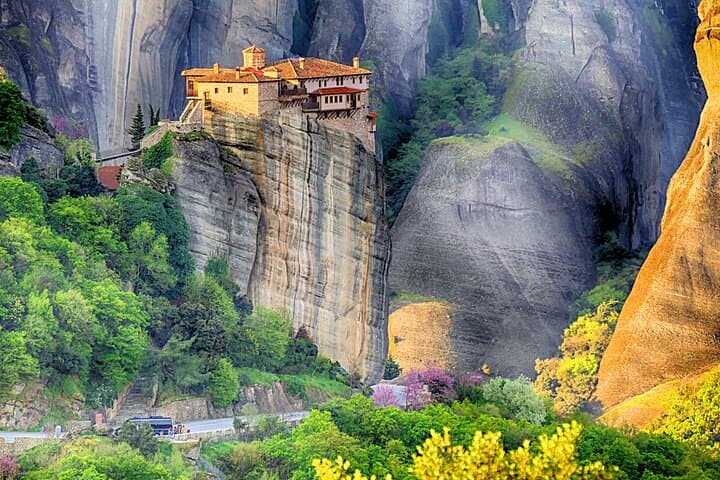
You stand on the ridge above Delphi with wind pressing the scent of thyme and rock toward you; below, terraces and stone foundations step into the valley like a map of ancient ambitions. Across the second day, sandstone towers of Meteora rise abruptly from the plain, their faces daring you to look up at monasteries clinging to narrow summits.
Verified experiences and guided adventures in the surrounding area.
Operated by Apollo Transfer · Athens, Attica
You stand on the ridge above Delphi with wind pressing the scent of thyme and rock toward you; below, terraces and stone foundations step into the valley like a map of ancient ambitions. Across the second day, sandstone towers of Meteora rise abruptly from the plain, their faces daring you to look up at monasteries clinging to narrow summits.
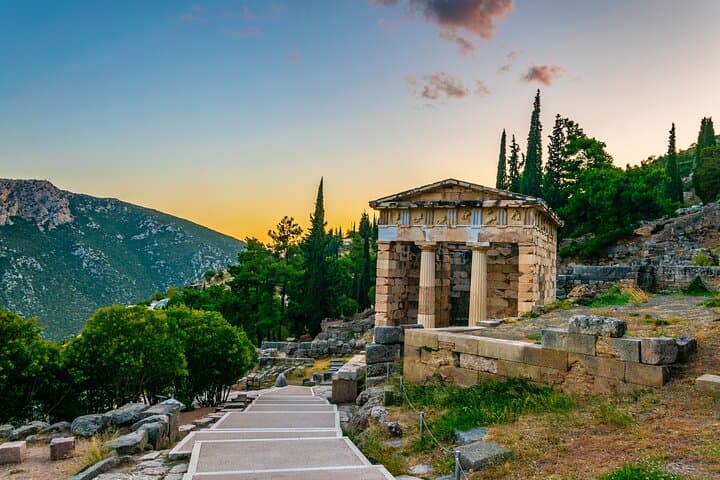
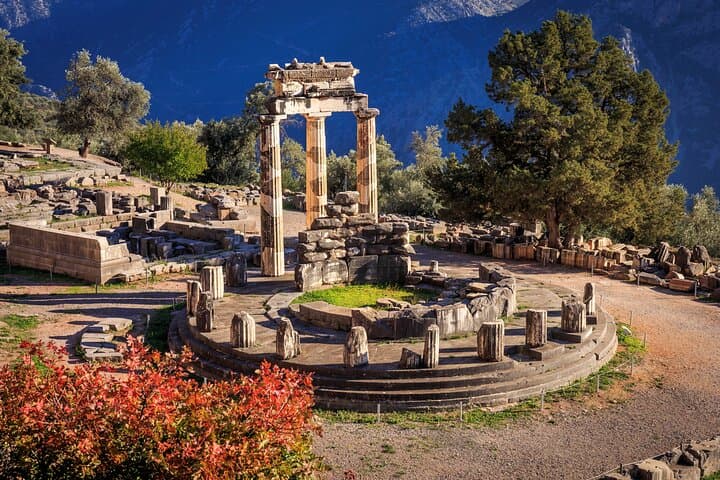
Delphi was the religious center of Classical Greece — the oracle of Apollo drew pilgrims from across the Mediterranean — and the ruins and museum still hold marbled fragments of that public life. Meteora’s pillars are geological time made visible: river-sculpted sandstones uplifted and eroded into vertical columns that hosted hermits and Byzantine monks from the 11th century onward.
Culturally, the route threads working villages such as Arachova (known for Formaela cheese) and the modern towns of Kalabaka and Kastraki, where tavernas base meals on mountain produce and grilled lamb.
Practical guidance: travel by private vehicle with air conditioning makes the two long driving days comfortable, but expect walking on uneven archaeological paths and many monastery steps. Dress conservatively at monastery entrances (long trousers or skirts, covered shoulders). Bring sunscreen, a refillable water bottle, and sturdy shoes for uneven stone. Start early to avoid crowds at key viewpoints and check monastery hours in advance; some close midweek or for religious observances. Finally, keep small bills for modest site donations and local snacks — your guide can optimize stops so you see key sites without rushing.
moderate.
2 days.
Light to moderate fitness — able to walk short uphill sections and climb multiple flights of stone steps.
Most monasteries accept on-site admissions, but opening hours vary and some limit visitors; your private guide will check schedules and plan visits accordingly.
Children are welcome but must be accompanied by an adult; steep steps at monasteries make it less suitable for very young children or those in strollers.
The tour typically departs from central Athens and returns there at the end of day two; pickup location is arranged during booking.
Meals and monastery donations are not usually included; the itinerary includes recommended stops where you can purchase regional dishes and snacks.
Delphi housed the oracle of Apollo and pan-Hellenic sanctuaries; Meteora’s monasteries grew from hermit communities into organized monastic complexes in the Byzantine era.
Both sites face erosion and visitor pressure — stay on trails, avoid touching mosaics or ruins, and follow monastery rules to minimize impact.
Apollo Transfer operates guided outdoor trips and adventures with an emphasis on safety, stewardship, and memorable experiences.

You stand on the ridge above Delphi with wind pressing the scent of thyme and rock toward you; below, terraces and stone foundations step into the valley like a map of ancient ambitions. Across the second day, sandstone towers of Meteora rise abruptly from the plain, their faces daring you to look up at monasteries clinging to narrow summits.
You stand on the ridge above Delphi with wind pressing the scent of thyme and rock toward you; below, terraces and stone foundations step into the valley like a map of ancient ambitions. Across the second day, sandstone towers of Meteora rise abruptly from the plain, their faces daring you to look up at monasteries clinging to narrow summits.
Delphi was the religious center of Classical Greece — the oracle of Apollo drew pilgrims from across the Mediterranean — and the ruins and museum still hold marbled fragments of that public life. Meteora’s pillars are geological time made visible: river-sculpted sandstones uplifted and eroded into vertical columns that hosted hermits and Byzantine monks from the 11th century onward.
Culturally, the route threads working villages such as Arachova (known for Formaela cheese) and the modern towns of Kalabaka and Kastraki, where tavernas base meals on mountain produce and grilled lamb.
Practical guidance: travel by private vehicle with air conditioning makes the two long driving days comfortable, but expect walking on uneven archaeological paths and many monastery steps. Dress conservatively at monastery entrances (long trousers or skirts, covered shoulders). Bring sunscreen, a refillable water bottle, and sturdy shoes for uneven stone. Start early to avoid crowds at key viewpoints and check monastery hours in advance; some close midweek or for religious observances. Finally, keep small bills for modest site donations and local snacks — your guide can optimize stops so you see key sites without rushing.