THE ADVENTURE COLLECTIVE® · Independent discovery and booking for outdoor travel

See Delphi’s oracle and the skyward spires of Meteora in two days on this private tour from Athens. Expect a mix of short walks, museum visits and dramatic drives through Greek mountain country.
See Delphi’s oracle and the skyward spires of Meteora in two days on this private tour from Athens. Expect a mix of short walks, museum visits and dramatic drives through Greek mountain country.
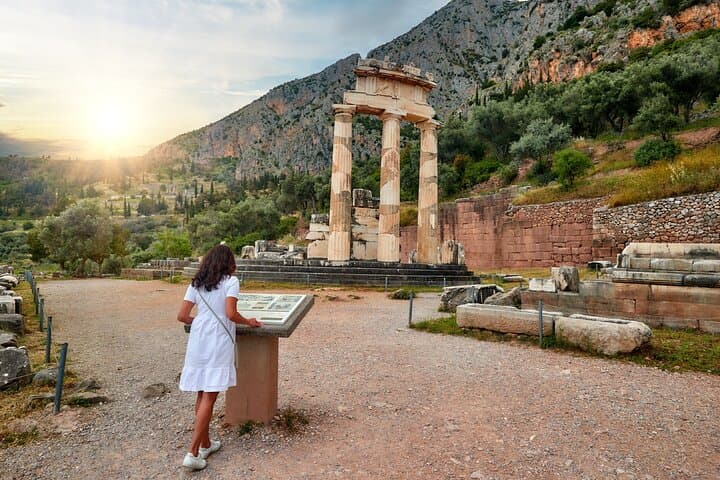
A low road climbs out of Athens and the landscape changes from olive groves to craggy limestone ridges. By midmorning the driver eases the vehicle onto a mountain shoulder above Delphi and the traveler stands where Apollo’s oracle once answered questions, the valley below folding away in bands of cultivated terraces and scrub.
Verified experiences and guided adventures in the surrounding area.
Operated by Olive Sea Travel · Kalambaka, Thessaly
A low road climbs out of Athens and the landscape changes from olive groves to craggy limestone ridges. By midmorning the driver eases the vehicle onto a mountain shoulder above Delphi and the traveler stands where Apollo’s oracle once answered questions, the valley below folding away in bands of cultivated terraces and scrub.
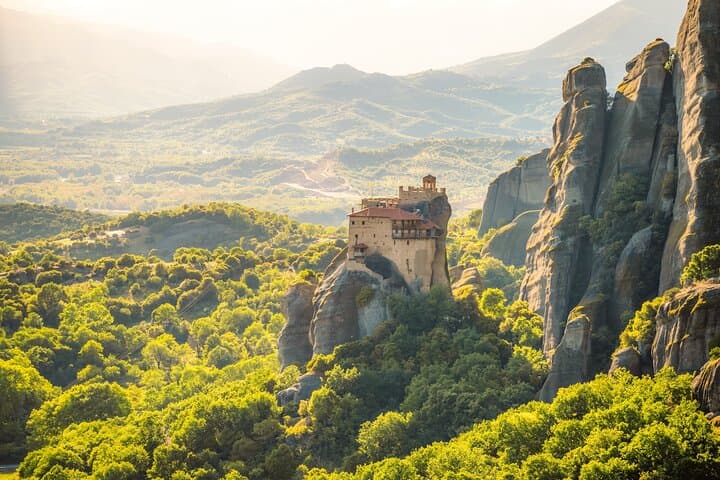
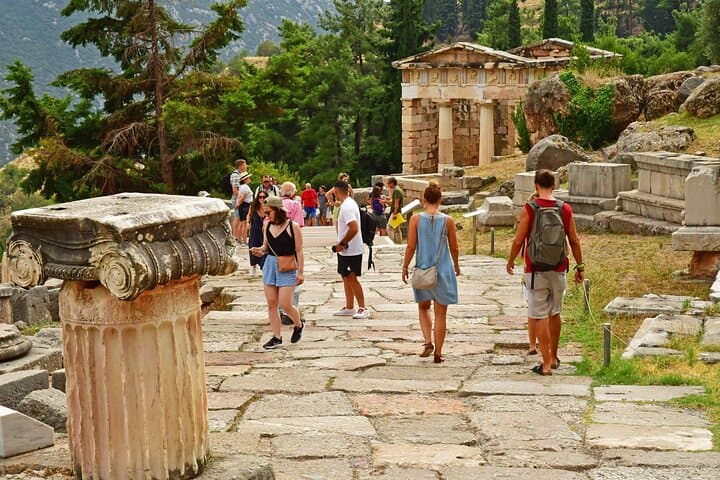
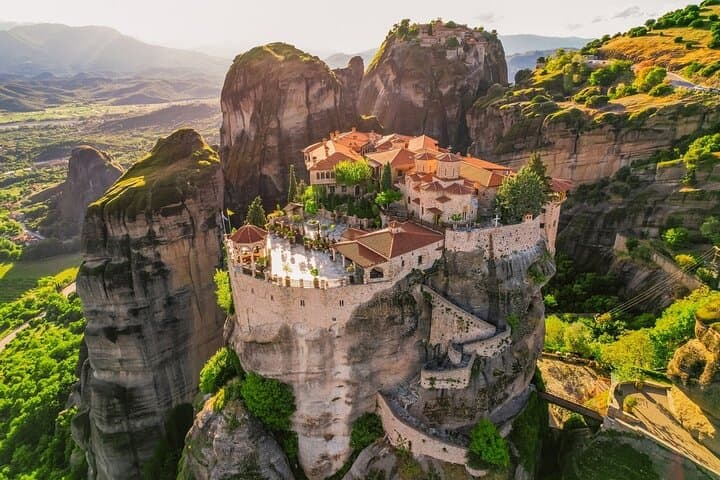
Delphi’s theater and Temple of Apollo speak to a millennium of civic ritual; its marble steps and the museum’s Charioteer reveal classical Greece’s artistic standards. Geologically, the Parnassus range is composed of uplifted metamorphosed limestones while Meteora, two hours north, is a field of towering sandstone–conglomerate pillars formed by river deposition and millennia of erosion.
Meteora’s monasteries—built from the 14th century onward—perch on these spires and remain active centers of Orthodox life. Local towns like Arachova and Kalambaka serve as practical bases: tavernas, guesthouses and routes into the rocks that reward early risers with light and fewer crowds.
Practical guidance: expect long drives and short walking tours at archaeological sites and monastery approaches—comfortable, broken-in walking shoes and layered clothing are essential. Respect dress codes at monasteries (shoulders and knees covered); carry water and euros for small-entry fees and snacks. Start early to maximize light and to avoid afternoon tour buses; allow time for a quiet look at the museum collections in Delphi and a short hike beneath Meteora’s cliffs for sweeping viewpoints.
This private, two-day itinerary balances history, geology and quiet observation—ideal for travelers who want concentrated exposure to two of Greece’s most memorable landscapes without the logistics of planning each leg themselves.
easy.
2 days.
Suitable for travelers in average physical condition—short walks and steps involved, no sustained hiking required.
A licensed guide is not included; drivers provide transport and local knowledge but you’ll need to hire a licensed guide separately for in-depth tours inside the monasteries.
Admissions are not included in the itinerary description—bring cash or card for entry fees at Delphi and select Meteora monasteries.
Transportation options are wheelchair accessible, but historic sites and monastery approaches involve steps and uneven ground that limit full accessibility.
Accommodation and breakfast are included according to your booking; evening meals are typically at local tavernas and are not universally provided.
Delphi was revered as a pan-Hellenic sanctuary and oracle site dedicated to Apollo; Meteora’s monasteries were established by ascetics seeking isolation on inaccessible rock pillars from the 14th century onward.
Meteora is a protected landscape—stay on marked trails and respect restricted monastery areas; tourism management focuses on balancing access with preservation of fragile rock formations.
Olive Sea Travel operates guided outdoor trips and adventures with an emphasis on safety, stewardship, and memorable experiences.
A low road climbs out of Athens and the landscape changes from olive groves to craggy limestone ridges. By midmorning the driver eases the vehicle onto a mountain shoulder above Delphi and the traveler stands where Apollo’s oracle once answered questions, the valley below folding away in bands of cultivated terraces and scrub.
A low road climbs out of Athens and the landscape changes from olive groves to craggy limestone ridges. By midmorning the driver eases the vehicle onto a mountain shoulder above Delphi and the traveler stands where Apollo’s oracle once answered questions, the valley below folding away in bands of cultivated terraces and scrub.
Delphi’s theater and Temple of Apollo speak to a millennium of civic ritual; its marble steps and the museum’s Charioteer reveal classical Greece’s artistic standards. Geologically, the Parnassus range is composed of uplifted metamorphosed limestones while Meteora, two hours north, is a field of towering sandstone–conglomerate pillars formed by river deposition and millennia of erosion.
Meteora’s monasteries—built from the 14th century onward—perch on these spires and remain active centers of Orthodox life. Local towns like Arachova and Kalambaka serve as practical bases: tavernas, guesthouses and routes into the rocks that reward early risers with light and fewer crowds.
Practical guidance: expect long drives and short walking tours at archaeological sites and monastery approaches—comfortable, broken-in walking shoes and layered clothing are essential. Respect dress codes at monasteries (shoulders and knees covered); carry water and euros for small-entry fees and snacks. Start early to maximize light and to avoid afternoon tour buses; allow time for a quiet look at the museum collections in Delphi and a short hike beneath Meteora’s cliffs for sweeping viewpoints.
This private, two-day itinerary balances history, geology and quiet observation—ideal for travelers who want concentrated exposure to two of Greece’s most memorable landscapes without the logistics of planning each leg themselves.