THE ADVENTURE COLLECTIVE® · Independent discovery and booking for outdoor travel

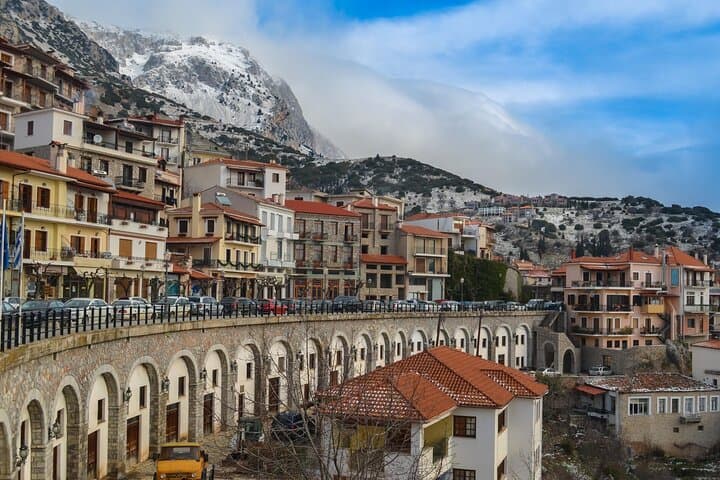
Spend a full day from Athens exploring Delphi’s Temple of Apollo, the archaeological terraces, and the museum housing the Charioteer. This private tour balances deep historical context with practical pace, plus time for lunch in modern Delphi or a stop in Arachova.
Spend a full day from Athens exploring Delphi’s Temple of Apollo, the archaeological terraces, and the museum housing the Charioteer. This private tour balances deep historical context with practical pace, plus time for lunch in modern Delphi or a stop in Arachova.
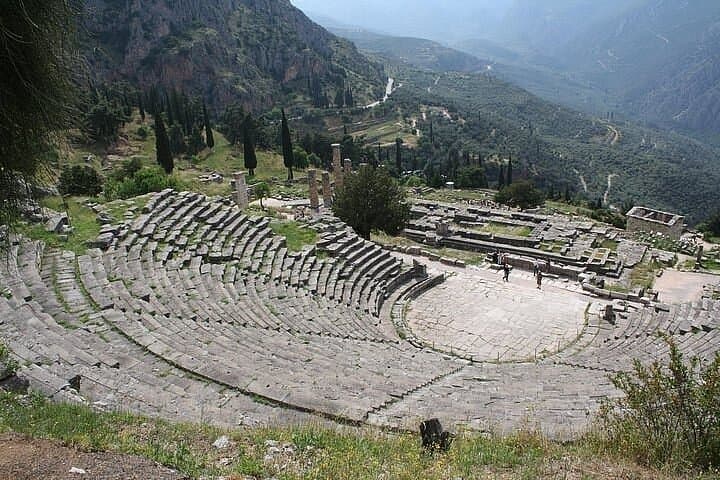
You step out of the air‑conditioned vehicle and the mountain air hits differently — cool, thin, and carrying the faint scent of pine and limestone dust. A narrow ribbon of road drops toward a sweep of terraces and broken columns; Mount Parnassus leans over the valley as if listening. The ruins at Delphi unfurl before you: stone seats, carved stairways, and the ghost of a sanctuary where questions were once offered to a priestess.
Verified experiences and guided adventures in the surrounding area.
Operated by Experience Greece by Alpha Tours & Transfers · Delphi, Phocis
You step out of the air‑conditioned vehicle and the mountain air hits differently — cool, thin, and carrying the faint scent of pine and limestone dust. A narrow ribbon of road drops toward a sweep of terraces and broken columns; Mount Parnassus leans over the valley as if listening. The ruins at Delphi unfurl before you: stone seats, carved stairways, and the ghost of a sanctuary where questions were once offered to a priestess.
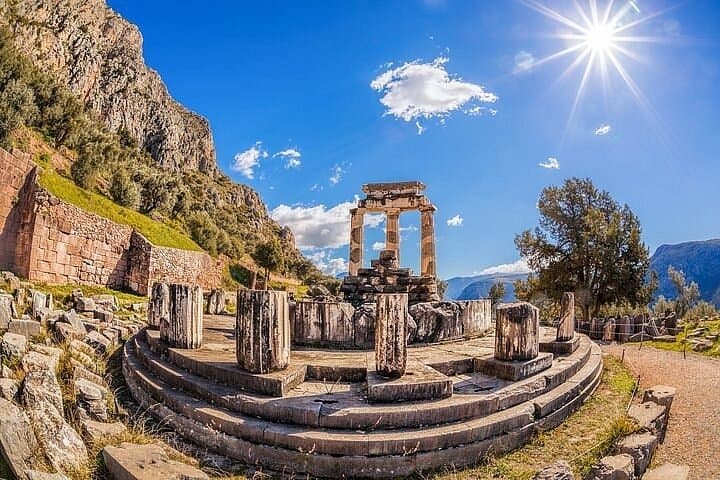
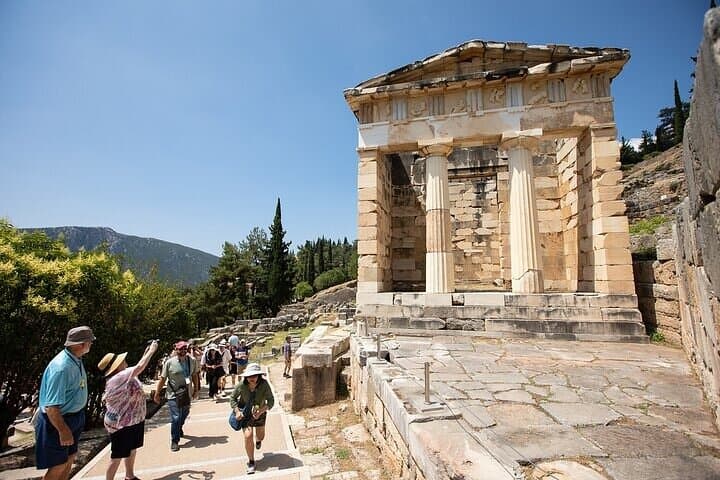
Delphi’s layered story is visible in the stone. From its Mycenaean roots through Classical Greece, the site served as a political and spiritual crossroads. The Temple of Apollo marks the heart of the sanctuary; nearby, the Tholos of Athena Pronaia and the Castalian Spring speak to ritual and purification. Geologically, the site sits on karstic limestone shelves with terraces cut into the slope, giving clear sightlines over the Pleistos valley that ancient pilgrims would have read like a map of power.
Practicalities shape the day: expect several hours on uneven, steep footpaths and many steps. The on‑site museum houses the Charioteer and other bronzes — plan time for both the museum and the archaeological area. Lunch in modern Delphi or a quick detour to Arachova adds local flavor: grilled lamb, slow‑roasted vegetables, and robust mountain wine.
Bring sturdy shoes, layered clothing for sharp midday sun and cool afternoons, and water — taps are limited. If you’re traveling from Athens, allow two hours each way; private transport makes that comfortable but still long. Move deliberately through the ruins: the stones keep their stories, and here the landscape seems to answer back.
moderate.
8–9 hours.
Moderate fitness: able to walk several hours over uneven, stepped terrain with brief elevation changes
Expect roughly 2 hours each way by private vehicle depending on traffic; tours commonly allocate 8–9 hours total.
This tour listing indicates admissions are not included; confirm with the operator before booking to avoid surprises.
The archaeological area has many stepped terraces and uneven surfaces; it is not fully wheelchair accessible and may be difficult for those with limited mobility.
Yes — many private tours include a short visit or lunch stop in Arachova to experience its mountain village character and shops.
Delphi was considered the navel (omphalos) of the ancient Greek world and the seat of the Pythia, the oracle who shaped decisions across the Mediterranean.
The site is managed to protect delicate mosaics and excavated structures; stay on marked paths and avoid touching exposed bronzes or carved surfaces to minimize wear.
Experience Greece by Alpha Tours & Transfers operates guided outdoor trips and adventures with an emphasis on safety, stewardship, and memorable experiences.
You step out of the air‑conditioned vehicle and the mountain air hits differently — cool, thin, and carrying the faint scent of pine and limestone dust. A narrow ribbon of road drops toward a sweep of terraces and broken columns; Mount Parnassus leans over the valley as if listening. The ruins at Delphi unfurl before you: stone seats, carved stairways, and the ghost of a sanctuary where questions were once offered to a priestess.
You step out of the air‑conditioned vehicle and the mountain air hits differently — cool, thin, and carrying the faint scent of pine and limestone dust. A narrow ribbon of road drops toward a sweep of terraces and broken columns; Mount Parnassus leans over the valley as if listening. The ruins at Delphi unfurl before you: stone seats, carved stairways, and the ghost of a sanctuary where questions were once offered to a priestess.
Delphi’s layered story is visible in the stone. From its Mycenaean roots through Classical Greece, the site served as a political and spiritual crossroads. The Temple of Apollo marks the heart of the sanctuary; nearby, the Tholos of Athena Pronaia and the Castalian Spring speak to ritual and purification. Geologically, the site sits on karstic limestone shelves with terraces cut into the slope, giving clear sightlines over the Pleistos valley that ancient pilgrims would have read like a map of power.
Practicalities shape the day: expect several hours on uneven, steep footpaths and many steps. The on‑site museum houses the Charioteer and other bronzes — plan time for both the museum and the archaeological area. Lunch in modern Delphi or a quick detour to Arachova adds local flavor: grilled lamb, slow‑roasted vegetables, and robust mountain wine.
Bring sturdy shoes, layered clothing for sharp midday sun and cool afternoons, and water — taps are limited. If you’re traveling from Athens, allow two hours each way; private transport makes that comfortable but still long. Move deliberately through the ruins: the stones keep their stories, and here the landscape seems to answer back.