THE ADVENTURE COLLECTIVE® · Independent discovery and booking for outdoor travel

A private two-day loop from Athens that pairs Delphi’s monumental classical ruins with Meteora’s cliff-top monasteries. Expect coach travel, focused walking at heritage sites, and dramatic viewpoints—ideal for travelers who want maximum history and scenery on a compact schedule.
A private two-day loop from Athens that pairs Delphi’s monumental classical ruins with Meteora’s cliff-top monasteries. Expect coach travel, focused walking at heritage sites, and dramatic viewpoints—ideal for travelers who want maximum history and scenery on a compact schedule.
The road unfurls out of Athens at dawn, the marble city shrinking behind you as the minibus threads olive groves and limestone ridges toward Mount Parnassus. By late morning the village of Arachova appears, roofs clustered on a mountain slope; from there the ruins of Delphi sit like an open book of myth—columns, the Castalian spring, and a theatre that looks down across a valley where pilgrims once waited for the Pythia’s voice.
Verified experiences and guided adventures in the surrounding area.
Operated by Exclusive Minibus · Athens, Attica
The road unfurls out of Athens at dawn, the marble city shrinking behind you as the minibus threads olive groves and limestone ridges toward Mount Parnassus. By late morning the village of Arachova appears, roofs clustered on a mountain slope; from there the ruins of Delphi sit like an open book of myth—columns, the Castalian spring, and a theatre that looks down across a valley where pilgrims once waited for the Pythia’s voice.
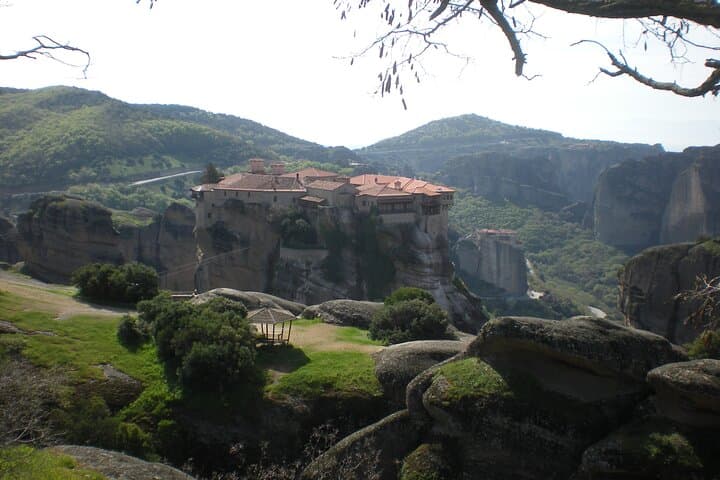
Delphi and Meteora present two very different Greek landscapes: Delphi’s classical archaeology and highland marble contrast with Meteora’s volcanic-era conglomerate pillars, tower-like spires carved by millennia of erosion. Meteora’s medieval monasteries—built by monks who hoisted materials up by rope and ladder—feel suspended on stone pillars that rise 400m above the plain. Both places reward slow exploration: museums that hold the Charioteer of Delphi, and narrow staircases to chapels in Meteora where frescoes and quiet stillness remain.
Practical guidance: this is a relaxed private tour with hotel overnight; expect about two days of mostly coach travel with concentrated walking at heritage sites. Wear sturdy shoes for uneven stone surfaces and staircases; bring layered clothing—high plateaus can be windy and cool even in summer—and carry cash for modest monastery entrance donations and local tavernas.
Timing matters: sunrise and late afternoon offer better light and fewer crowds. Respect monastic dress codes at Meteora (shoulders and knees covered). With straightforward logistics and culturally rich stops, this tour is an accessible way to see two of mainland Greece’s most dramatic sights.
easy.
2 days (≈38 hours).
Suitable for travelers in average fitness: short to moderate walks and stair climbing at sites are required.
Walking is concentrated at each site—Delphi involves uneven archaeological terraces and Meteora requires stair climbing to monasteries; overall activity is moderate but manageable for most visitors.
Most tour prices do not include individual monastery donations or small entrance fees—bring cash for those contributions and any museum admissions not specified as included.
This private tour typically departs and returns to Athens, with overnight accommodation in Kalambaka (near Meteora) included as described by the operator.
Yes—transport is comfortable and the itinerary is paced, but parents should be ready for stairs and keep young children close on steep paths and viewpoints.
Delphi was the religious center of ancient Greece where the Pythia delivered oracles; Meteora’s monasteries date from Byzantine ascetic communities who built in isolation atop eroded sandstone pillars.
Both sites are fragile—stick to marked paths, follow monastery rules, avoid drones near religious sites, and support local conservation by minimizing waste and respecting restricted areas.
Exclusive Minibus operates guided outdoor trips and adventures with an emphasis on safety, stewardship, and memorable experiences.
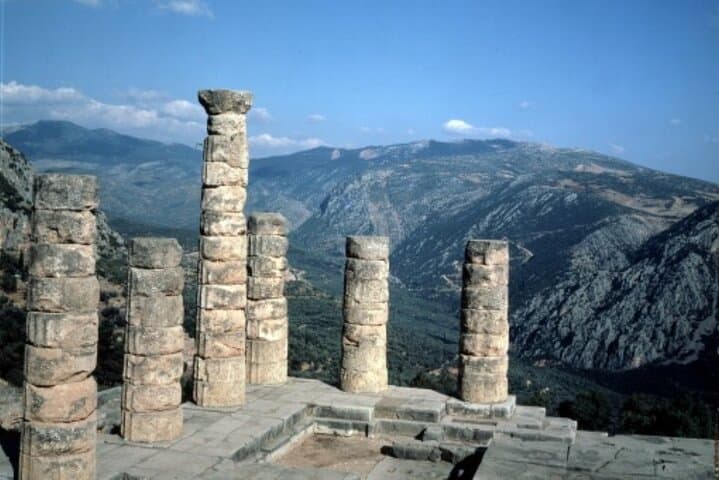
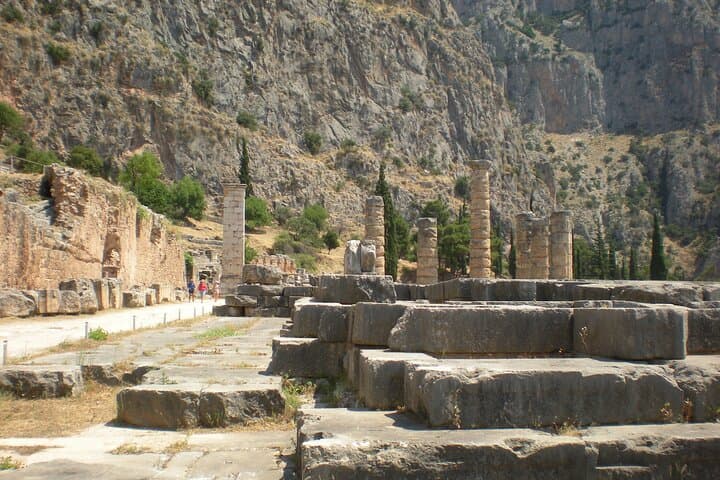
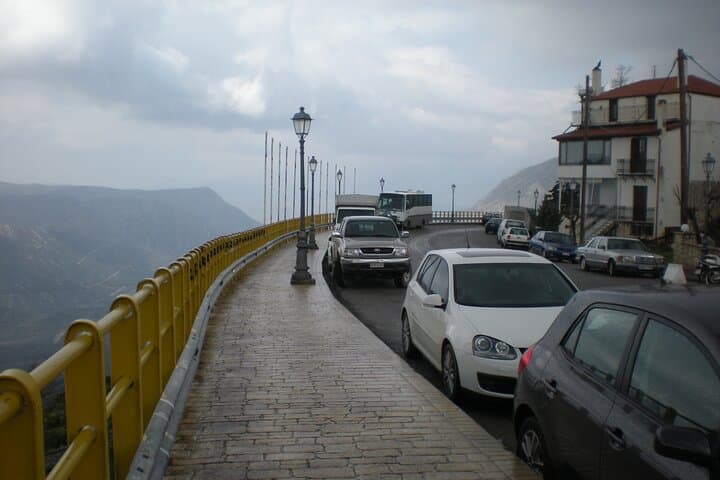
The road unfurls out of Athens at dawn, the marble city shrinking behind you as the minibus threads olive groves and limestone ridges toward Mount Parnassus. By late morning the village of Arachova appears, roofs clustered on a mountain slope; from there the ruins of Delphi sit like an open book of myth—columns, the Castalian spring, and a theatre that looks down across a valley where pilgrims once waited for the Pythia’s voice.
The road unfurls out of Athens at dawn, the marble city shrinking behind you as the minibus threads olive groves and limestone ridges toward Mount Parnassus. By late morning the village of Arachova appears, roofs clustered on a mountain slope; from there the ruins of Delphi sit like an open book of myth—columns, the Castalian spring, and a theatre that looks down across a valley where pilgrims once waited for the Pythia’s voice.
Delphi and Meteora present two very different Greek landscapes: Delphi’s classical archaeology and highland marble contrast with Meteora’s volcanic-era conglomerate pillars, tower-like spires carved by millennia of erosion. Meteora’s medieval monasteries—built by monks who hoisted materials up by rope and ladder—feel suspended on stone pillars that rise 400m above the plain. Both places reward slow exploration: museums that hold the Charioteer of Delphi, and narrow staircases to chapels in Meteora where frescoes and quiet stillness remain.
Practical guidance: this is a relaxed private tour with hotel overnight; expect about two days of mostly coach travel with concentrated walking at heritage sites. Wear sturdy shoes for uneven stone surfaces and staircases; bring layered clothing—high plateaus can be windy and cool even in summer—and carry cash for modest monastery entrance donations and local tavernas.
Timing matters: sunrise and late afternoon offer better light and fewer crowds. Respect monastic dress codes at Meteora (shoulders and knees covered). With straightforward logistics and culturally rich stops, this tour is an accessible way to see two of mainland Greece’s most dramatic sights.