THE ADVENTURE COLLECTIVE® · Independent discovery and booking for outdoor travel

Two days from Athens take you through classical Greece and a landscape that looks engineered by giants — Delphi’s oracle and Meteora’s cliff-top monasteries. This private trip mixes history, dramatic geology, and practical touring tips for a compact, high-impact escape.
Two days from Athens take you through classical Greece and a landscape that looks engineered by giants — Delphi’s oracle and Meteora’s cliff-top monasteries. This private trip mixes history, dramatic geology, and practical touring tips for a compact, high-impact escape.
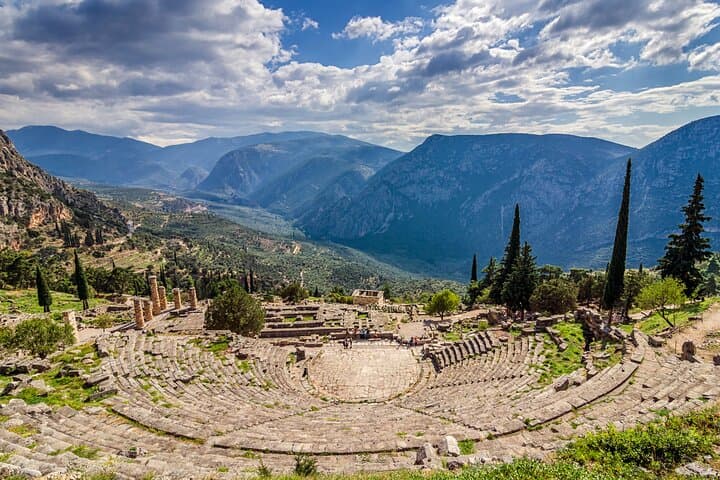
You arrive before dawn on the winding road up to Parnassus; mist peels away from the slopes and the first light finds the ruins of Delphi like an old script waiting to be read. The air tastes of limestone and coffee in mountain villages as you move from the archaeological terraces to the narrow corridors of a private vehicle that ferries you north to the otherworldly pillars of Meteora.
Verified experiences and guided adventures in the surrounding area.
Operated by allways greece · Kalambaka, Thessaly
You arrive before dawn on the winding road up to Parnassus; mist peels away from the slopes and the first light finds the ruins of Delphi like an old script waiting to be read. The air tastes of limestone and coffee in mountain villages as you move from the archaeological terraces to the narrow corridors of a private vehicle that ferries you north to the otherworldly pillars of Meteora.
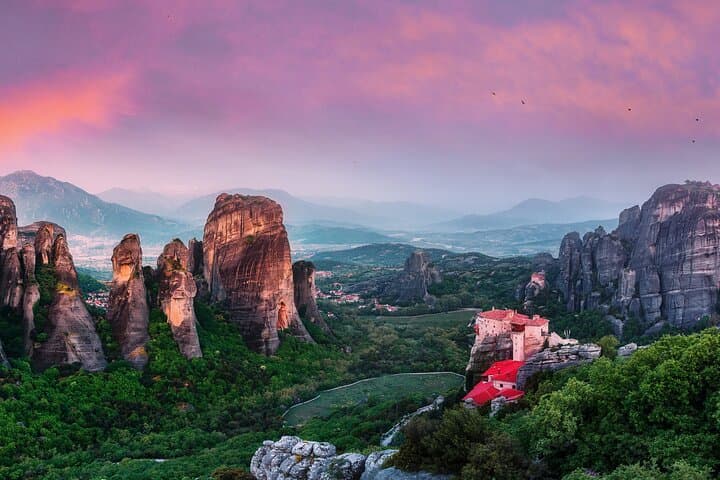
On day one the itinerary follows human history and geology: Delphi’s theater and temple sit on a landslide of layered limestone and shale, a site chosen for its commanding view and seismic faults that fed ancient stories of prophecy. Thermopylae’s narrow pass and warm springs recall classical warfare and the region’s geothermal quirks. Overnight in Kalambaka puts you at the foot of Meteora, a collection of sandstone and conglomerate towers sculpted by millennia of rain and river action.
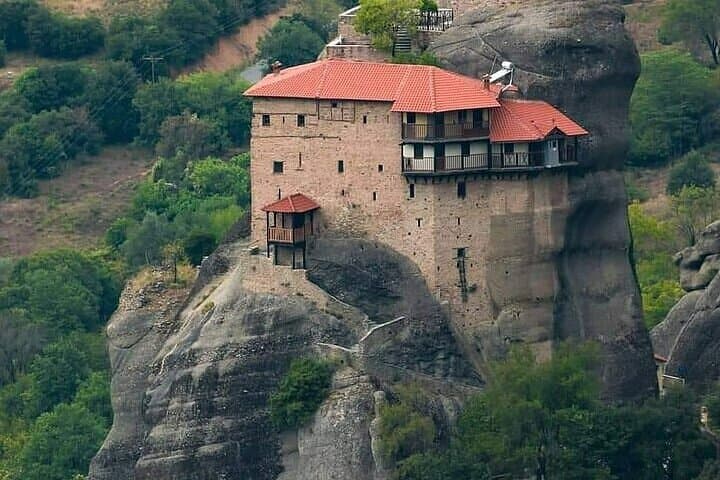
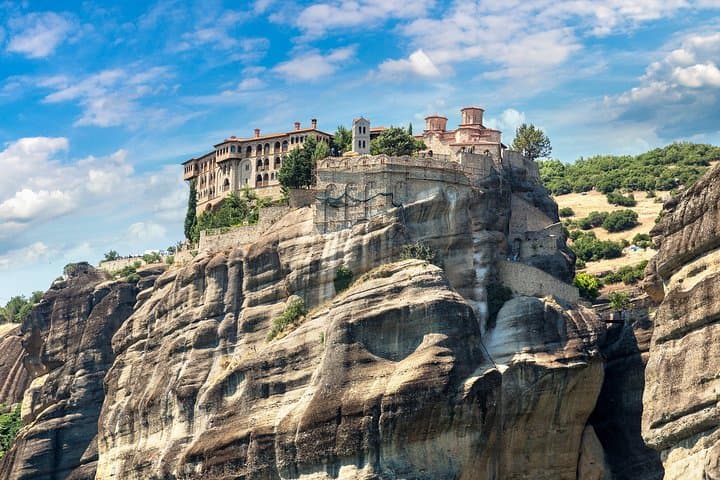
Day two is vertical history. The monasteries perch on cliff edges that dare you to look over; stone steps and switchbacks lead to frescoed chapels and quiet courtyards. Local culture presents itself in small cafes, sheep cheese, and towns where vernacular architecture meets tourist-ready hospitality.
Practical guidance: plan sturdy, grippy shoes for uneven stone and steps, modest clothing for monastery visits, and a light rain layer—weather shifts quickly in the mountains. Expect moderate walking (stone paths, occasional steep steps), intermittent cell service, and small admission fees. Travel early to avoid tour bus crowds and allow time to linger at viewpoints; the cliffs reward a slow pace.
easy.
2 days (about 10–12 hours of active touring).
Light to moderate - be comfortable walking 1–3 miles per day on uneven surfaces and climbing short flights of stone steps.
Most monastery entry fees and the Delphi museum tickets are not included; bring cash or card and check opening hours because some monasteries close on different weekdays.
Yes — the tour lists infant seats available and is physically easy, but parents should plan for walking and many steps at sites like Meteora and supervise near cliff edges.
Expect moderate walking on uneven, often steep stone paths: short hikes to monastery entrances and 30–90 minutes exploring archaeological ruins per site.
The typical departure is from Athens with private transport; confirm your pickup point and return arrangements when booking.
Delphi was the religious center of the classical Greek world, while Meteora’s monasteries date from the 14th century, built by monks seeking isolation on sandstone pillars.
Both sites face erosion and visitor pressure; stick to marked paths, avoid touching fragile frescoes, and support local businesses to keep tourism sustainable.
allways greece operates guided outdoor trips and adventures with an emphasis on safety, stewardship, and memorable experiences.
You arrive before dawn on the winding road up to Parnassus; mist peels away from the slopes and the first light finds the ruins of Delphi like an old script waiting to be read. The air tastes of limestone and coffee in mountain villages as you move from the archaeological terraces to the narrow corridors of a private vehicle that ferries you north to the otherworldly pillars of Meteora.
You arrive before dawn on the winding road up to Parnassus; mist peels away from the slopes and the first light finds the ruins of Delphi like an old script waiting to be read. The air tastes of limestone and coffee in mountain villages as you move from the archaeological terraces to the narrow corridors of a private vehicle that ferries you north to the otherworldly pillars of Meteora.
On day one the itinerary follows human history and geology: Delphi’s theater and temple sit on a landslide of layered limestone and shale, a site chosen for its commanding view and seismic faults that fed ancient stories of prophecy. Thermopylae’s narrow pass and warm springs recall classical warfare and the region’s geothermal quirks. Overnight in Kalambaka puts you at the foot of Meteora, a collection of sandstone and conglomerate towers sculpted by millennia of rain and river action.
Day two is vertical history. The monasteries perch on cliff edges that dare you to look over; stone steps and switchbacks lead to frescoed chapels and quiet courtyards. Local culture presents itself in small cafes, sheep cheese, and towns where vernacular architecture meets tourist-ready hospitality.
Practical guidance: plan sturdy, grippy shoes for uneven stone and steps, modest clothing for monastery visits, and a light rain layer—weather shifts quickly in the mountains. Expect moderate walking (stone paths, occasional steep steps), intermittent cell service, and small admission fees. Travel early to avoid tour bus crowds and allow time to linger at viewpoints; the cliffs reward a slow pace.