THE ADVENTURE COLLECTIVE® · Independent discovery and booking for outdoor travel

Trace ancient oracles at Delphi and ascend Meteora’s towering monasteries on this private three-day tour from Athens. Expect dramatic geology, Byzantine art, and manageable hikes with a private driver and overnight stays.
Trace ancient oracles at Delphi and ascend Meteora’s towering monasteries on this private three-day tour from Athens. Expect dramatic geology, Byzantine art, and manageable hikes with a private driver and overnight stays.
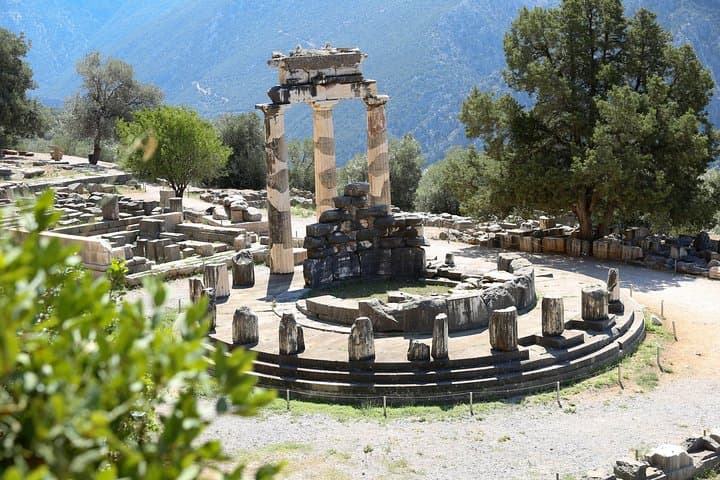
Morning light cuts across the limestone slopes of Mount Parnassus as your private vehicle leaves Athens and the highway behind. You arrive at Delphi perched roughly 560–570 m above sea level, where the stone theater and the Temple of Apollo open like pages of an ancient manual. The air here feels like a patient witness; wind and rock have shaped a place Greeks once called the naval of the earth.
Verified experiences and guided adventures in the surrounding area.
Operated by Olive Sea Travel · Athens, Attica
Morning light cuts across the limestone slopes of Mount Parnassus as your private vehicle leaves Athens and the highway behind. You arrive at Delphi perched roughly 560–570 m above sea level, where the stone theater and the Temple of Apollo open like pages of an ancient manual. The air here feels like a patient witness; wind and rock have shaped a place Greeks once called the naval of the earth.
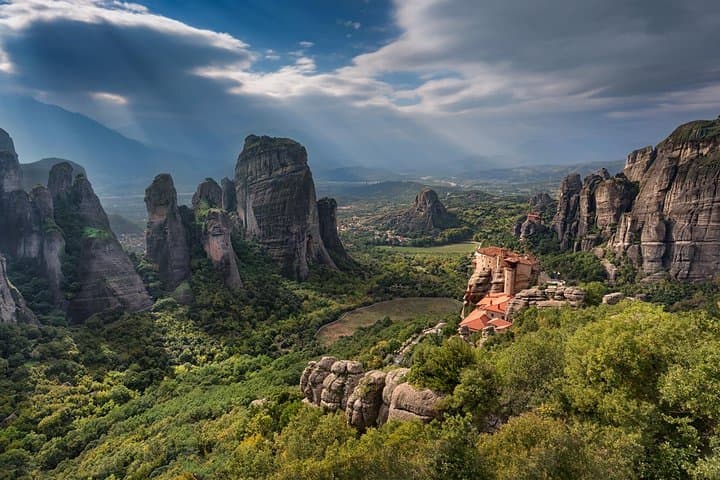
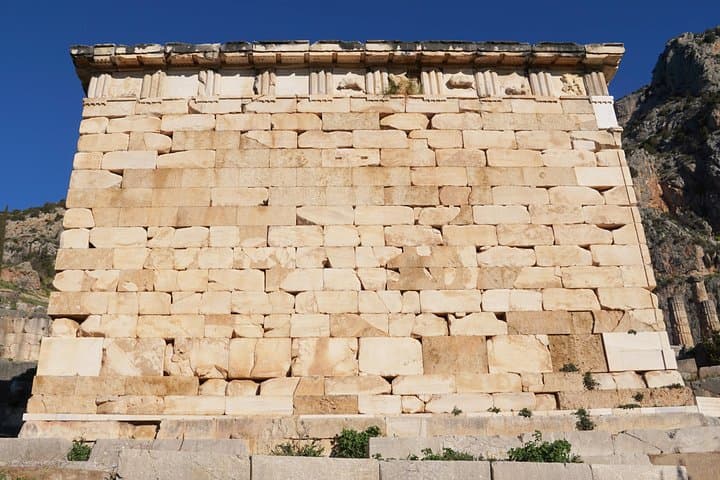
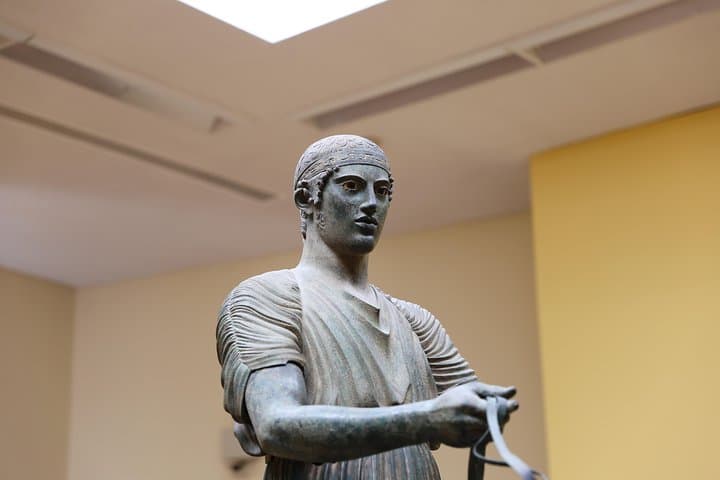
The itinerary threads history and geology: Delphi’s marble ruins and layered terraces speak to Classical religion and seismic mountains; Meteora’s sandstone pillars—some rising 300–400 m from the valley—are geological sculptures weathered by rivers and time. Between sites you’ll pass small towns, olive groves, and the plain of Thessaly, where shepherding and monastic devotion shaped local culture.
On day two the monasteries of Meteora bring a different rhythm—stone steps, frescoed catholicons, and strict dress codes require practical respect as much as curiosity. Expect short uphill walks (steep in places), narrow paths and viewpoints that favor early or late light for photos. Drivers provide deep local knowledge but are not licensed guides inside monuments; consider booking a local archaeologist or monastery guide if you want expert narration.
Practical edge: bring sturdy shoes, a modest outfit for religious sites, layered clothing for temperature swings between valleys and ridgelines, and a refillable water bottle. Plan for 2.5–4 hours’ driving on two of the three days, moderate walking at archaeological sites, and flexible timing to avoid midday crowds. This route balances cultural depth and dramatic landscape—accessible, memorable, and quietly demanding of attention.
moderate.
3 days (full days of touring).
Suitable for travelers comfortable with several short uphill walks, stair climbs and multi-hour drives
Admission to archaeological sites and monasteries is generally not included; the driver can drop you at ticket offices but licensing for guided tours inside is separate.
Athens to Delphi is about 2.5–3 hours (≈180 km); Delphi to Meteora is roughly 3.5–4 hours depending on route and stops.
Transport options note wheelchair accessibility, but some monastery interiors and archaeological terraces have steps and uneven terrain that limit full access.
Drivers are knowledgeable but not licensed guides for museum or archaeological interpretation; hire a local licensed guide if you want in-depth commentary.
Delphi was a pan‑Hellenic sanctuary and oracle of Apollo; Meteora’s monasteries date from the 14th–16th centuries and were built atop sandstone pillars for solitude and defense.
Both regions manage tourism to protect fragile rock faces and ancient masonry—follow marked paths, avoid touching frescoes, and support local conservation fees when requested.
Olive Sea Travel operates guided outdoor trips and adventures with an emphasis on safety, stewardship, and memorable experiences.
Morning light cuts across the limestone slopes of Mount Parnassus as your private vehicle leaves Athens and the highway behind. You arrive at Delphi perched roughly 560–570 m above sea level, where the stone theater and the Temple of Apollo open like pages of an ancient manual. The air here feels like a patient witness; wind and rock have shaped a place Greeks once called the naval of the earth.
Morning light cuts across the limestone slopes of Mount Parnassus as your private vehicle leaves Athens and the highway behind. You arrive at Delphi perched roughly 560–570 m above sea level, where the stone theater and the Temple of Apollo open like pages of an ancient manual. The air here feels like a patient witness; wind and rock have shaped a place Greeks once called the naval of the earth.
The itinerary threads history and geology: Delphi’s marble ruins and layered terraces speak to Classical religion and seismic mountains; Meteora’s sandstone pillars—some rising 300–400 m from the valley—are geological sculptures weathered by rivers and time. Between sites you’ll pass small towns, olive groves, and the plain of Thessaly, where shepherding and monastic devotion shaped local culture.
On day two the monasteries of Meteora bring a different rhythm—stone steps, frescoed catholicons, and strict dress codes require practical respect as much as curiosity. Expect short uphill walks (steep in places), narrow paths and viewpoints that favor early or late light for photos. Drivers provide deep local knowledge but are not licensed guides inside monuments; consider booking a local archaeologist or monastery guide if you want expert narration.
Practical edge: bring sturdy shoes, a modest outfit for religious sites, layered clothing for temperature swings between valleys and ridgelines, and a refillable water bottle. Plan for 2.5–4 hours’ driving on two of the three days, moderate walking at archaeological sites, and flexible timing to avoid midday crowds. This route balances cultural depth and dramatic landscape—accessible, memorable, and quietly demanding of attention.