THE ADVENTURE COLLECTIVE® · Independent discovery and booking for outdoor travel

Board a short ferry from Mykonos to Delos and walk through one of the Mediterranean’s most concentrated archaeological landscapes. This five-hour boat tour covers the Sanctuary of Apollo, the Terrace of the Lions, the marble theatre and the Archaeological Museum with licensed guide and entrance fees included.
Board a short ferry from Mykonos to Delos and walk through one of the Mediterranean’s most concentrated archaeological landscapes. This five-hour boat tour covers the Sanctuary of Apollo, the Terrace of the Lions, the marble theatre and the Archaeological Museum with licensed guide and entrance fees included.
You step off a ferry into wind-swept light: low, stony ground underfoot, white marble fragments catching the Aegean glare, gulls circling as if reading the inscriptions aloud.
Verified experiences and guided adventures in the surrounding area.
Operated by Uopera tours · Delos, South Aegean
You step off a ferry into wind-swept light: low, stony ground underfoot, white marble fragments catching the Aegean glare, gulls circling as if reading the inscriptions aloud.
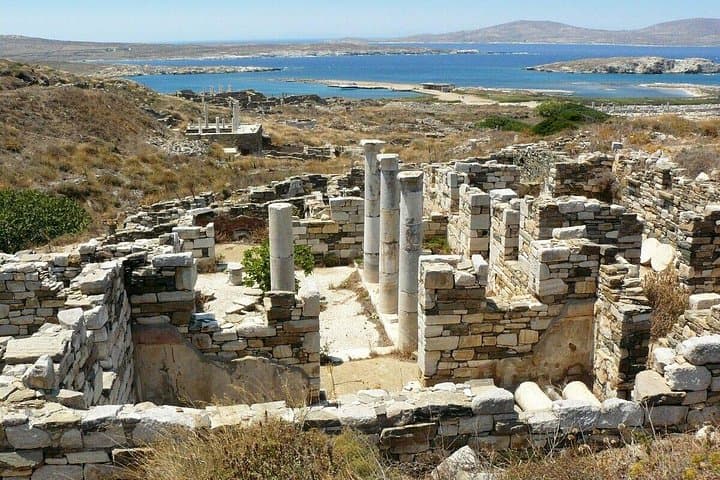
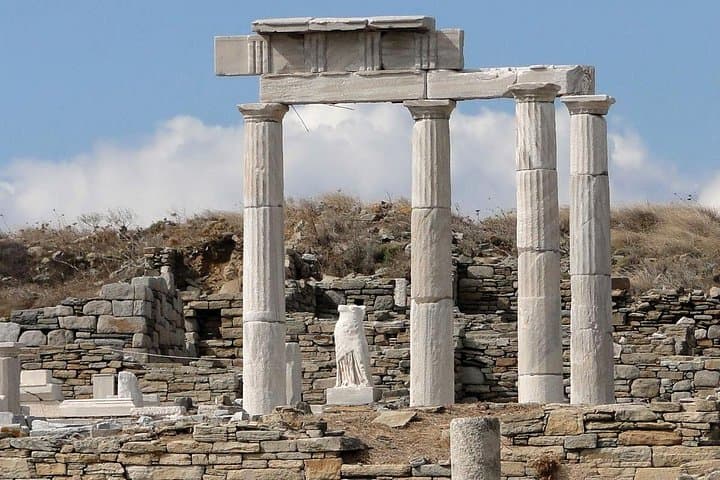
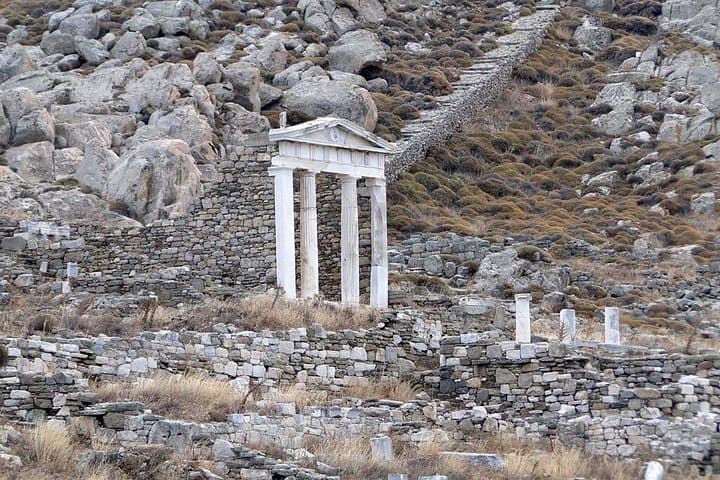
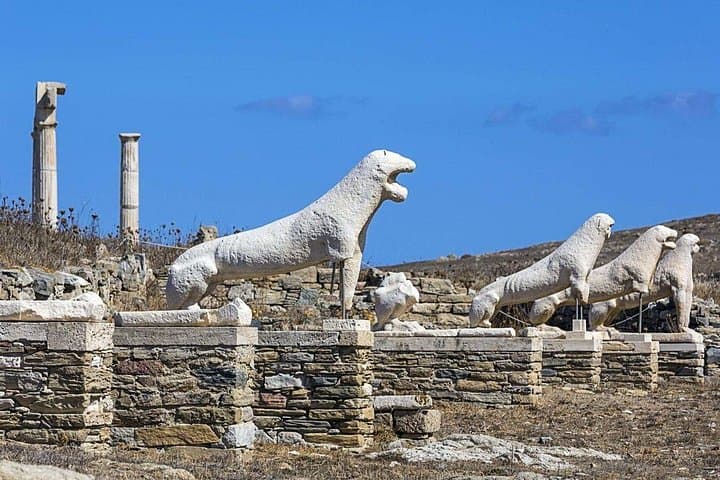
Delos arrives like a paused world — a sacred island once at the centre of commerce and worship. The guided, five-hour excursion from Mykonos drops you at docks used since antiquity; from there the itinerary threads the Sanctuary of Apollo, the Terrace of the Lions, a fully marble theatre and a compact archaeological museum. Geologically the island is compact limestone and schist, scrubby and exposed, shaped by millennia of wind and salt.
Culturally Delos is unique: a religious and trading nexus in the 1st millennium BCE and today a protected UNESCO site. The museum gathers statues and finds you’ll otherwise walk past, and the Sacred Way still maps the island’s ceremonial approach.
Practically, expect about 2–3 miles of walking on uneven, often sun-baked paths; the tour includes ferry transport, entrance fees and a licensed guide. Bring sun protection, at least 2 liters of water, and shoes with good traction — shards of marble and ancient steps are unforgiving. Timings concentrate visits mid-morning or late afternoon to avoid peak heat and crowds. Photography is permitted but respect barriers and signage: some stones are fragile and off-limits. There are no permanent inhabitants, few shade options, and limited facilities, so plan logistics with your operator in Mykonos and carry essentials for a dry, historically rich half-day on one of Greece’s most archaeologically dense islands.
moderate.
5 hours.
Moderate — able to walk 2–3 miles on uneven, exposed terrain and manage short stair sections.
The ferry ride is typically 20–30 minutes depending on sea conditions; the full tour is about five hours including crossings and on-site visits.
Yes — this tour’s price covers entrance to the archaeological site and the Archaeological Museum as listed by the operator.
Access is limited: paths are uneven, with steps and no comprehensive accessibility infrastructure; travelers with mobility concerns should check ahead with the operator about landing and movement on site.
Delos is primarily an archaeological reserve with minimal beaches and protected areas; swimming is not the focus and is restricted in some zones — ask the guide for permitted spots near landing areas.
Delos was a major religious and commercial centre in the 1st millennium BCE, mythologised as the birthplace of Apollo and protected today as a UNESCO archaeological landscape.
The site is strictly managed by Greece’s archaeological service — follow marked paths, do not touch or remove antiquities, and prefer operators who limit group size to reduce wear on fragile remains.
Uopera tours operates guided outdoor trips and adventures with an emphasis on safety, stewardship, and memorable experiences.
You step off a ferry into wind-swept light: low, stony ground underfoot, white marble fragments catching the Aegean glare, gulls circling as if reading the inscriptions aloud.
You step off a ferry into wind-swept light: low, stony ground underfoot, white marble fragments catching the Aegean glare, gulls circling as if reading the inscriptions aloud.
Delos arrives like a paused world — a sacred island once at the centre of commerce and worship. The guided, five-hour excursion from Mykonos drops you at docks used since antiquity; from there the itinerary threads the Sanctuary of Apollo, the Terrace of the Lions, a fully marble theatre and a compact archaeological museum. Geologically the island is compact limestone and schist, scrubby and exposed, shaped by millennia of wind and salt.
Culturally Delos is unique: a religious and trading nexus in the 1st millennium BCE and today a protected UNESCO site. The museum gathers statues and finds you’ll otherwise walk past, and the Sacred Way still maps the island’s ceremonial approach.
Practically, expect about 2–3 miles of walking on uneven, often sun-baked paths; the tour includes ferry transport, entrance fees and a licensed guide. Bring sun protection, at least 2 liters of water, and shoes with good traction — shards of marble and ancient steps are unforgiving. Timings concentrate visits mid-morning or late afternoon to avoid peak heat and crowds. Photography is permitted but respect barriers and signage: some stones are fragile and off-limits. There are no permanent inhabitants, few shade options, and limited facilities, so plan logistics with your operator in Mykonos and carry essentials for a dry, historically rich half-day on one of Greece’s most archaeologically dense islands.