THE ADVENTURE COLLECTIVE® · Independent discovery and booking for outdoor travel

Walk through Delhi’s imperial past on a private full‑day tour of Qutub Minar, Humayun’s Tomb and the Red Fort. This 4–5 hour route blends Mughal architecture, formal gardens, and vibrant bazaars for a concentrated cultural outing.
Walk through Delhi’s imperial past on a private full‑day tour of Qutub Minar, Humayun’s Tomb and the Red Fort. This 4–5 hour route blends Mughal architecture, formal gardens, and vibrant bazaars for a concentrated cultural outing.
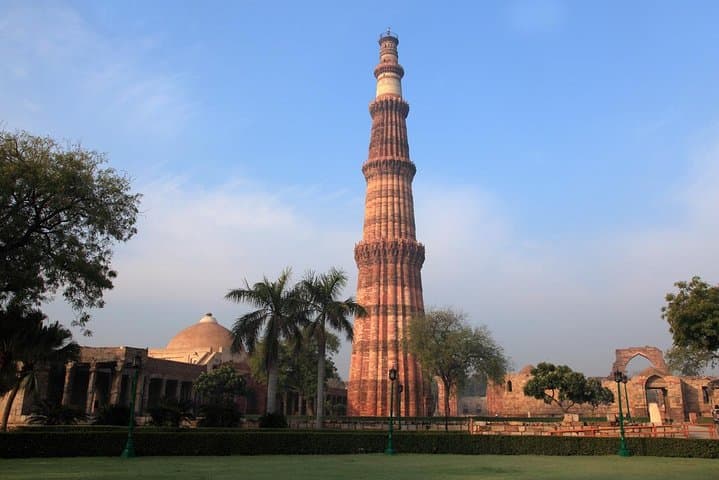
You step out of a private car into the heat and hum of Delhi, the tower of Qutub Minar rising like a carved column of time against a blue sky. The stone underfoot remembers centuries of dynasties; the iron pillar at the mosque’s edge seems to dare you to test its legend.
Verified experiences and guided adventures in the surrounding area.
Operated by Agora Voyages Pvt. Ltd. · New Delhi, Delhi
You step out of a private car into the heat and hum of Delhi, the tower of Qutub Minar rising like a carved column of time against a blue sky. The stone underfoot remembers centuries of dynasties; the iron pillar at the mosque’s edge seems to dare you to test its legend.
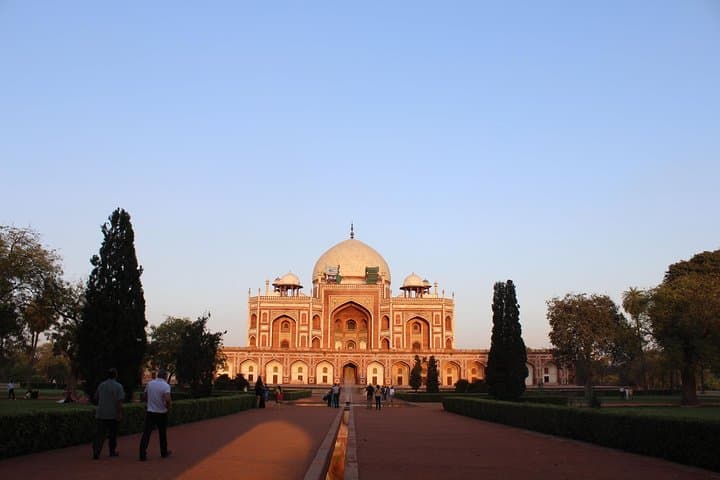
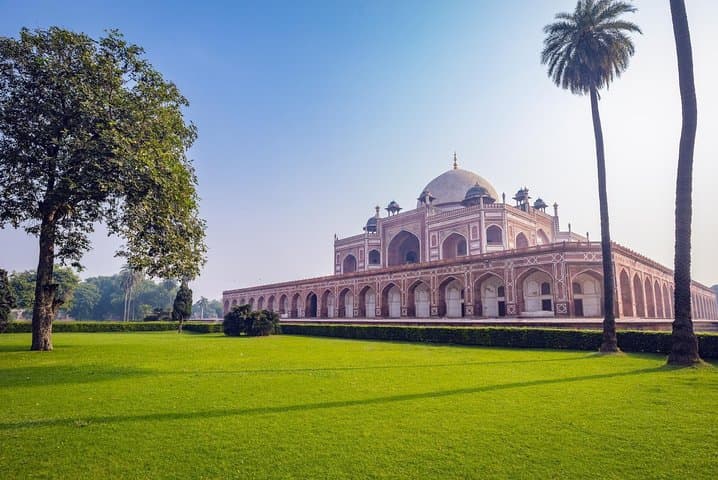
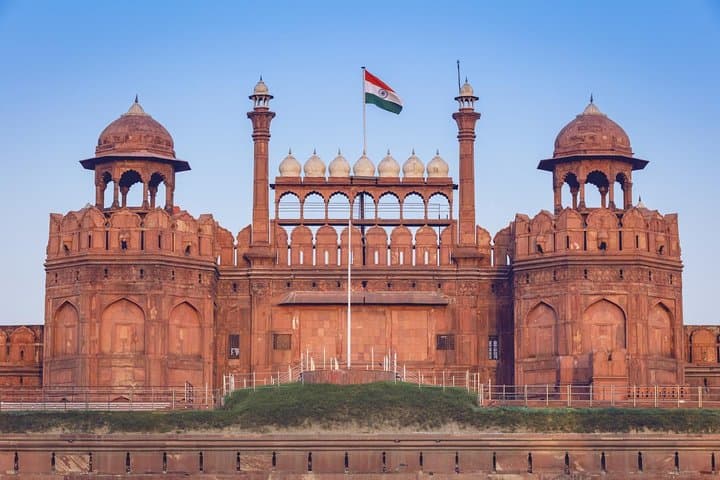
This compact day tour ties three UNESCO sites into a manageable loop. Qutub Minar (1193–1220) displays evolving Indo-Islamic masonry and relief bands that mark shifts in rulers and materials. Humayun’s Tomb (1565) introduces Persian garden-planning to the subcontinent—formal water channels and axial paths that would later inform the Taj Mahal. The Red Fort (17th century) closes the day with Shah Jahan’s palace-fort: ramparts, ceremonial halls, and a bustling Chatta Chowk bazaar that keeps the living culture threaded to the monuments.
Geology here is subtle: red sandstone and marble quarried from regional deposits shape the color palette; garden soils sustain the formal plantings that cool inner courtyards. Cultural context is immediate—Mughal funerary practice, imperial display, and the market life that supported palace economies.
Practical guidance: expect 4–5 hours with moderate walking on paved and uneven surfaces; bring sun protection, refillable water, and a compact bag for quick security checks. Photography is allowed in most areas but follow signage for restricted interiors. Allow time for traffic between sites and plan for heat in summer—early starts make the monuments more comfortable and the light better for viewing carved details.
easy.
4–5 hours.
Suitable for most fitness levels; expect several short walks and stair climbs within monuments.
Entrance fees are available as an add-on depending on booking option—confirm with the operator and carry local currency if paying onsite.
Private AC car/van pickup and drop-off from most hotels in Delhi is typically included—verify pickup point when booking.
Some courtyards are level and accessible, but interiors have stairs and uneven surfaces; inquire about specific accessibility needs ahead of time.
The itinerary allocates roughly 60 minutes each for Qutub Minar and Humayun’s Tomb and about 90–120 minutes for the Red Fort complex, accounting for movement and security checks.
These monuments reflect Delhi’s layered imperial history—from early Delhi Sultanate work at Qutub Minar through Mughal funerary and palatial architecture that influenced later South Asian design.
All three sites are managed with preservation priorities; visitors should stick to marked paths, avoid graffiti or touching delicate carvings, and follow guide instructions to reduce wear.
Agora Voyages Pvt. Ltd. operates guided outdoor trips and adventures with an emphasis on safety, stewardship, and memorable experiences.
You step out of a private car into the heat and hum of Delhi, the tower of Qutub Minar rising like a carved column of time against a blue sky. The stone underfoot remembers centuries of dynasties; the iron pillar at the mosque’s edge seems to dare you to test its legend.
You step out of a private car into the heat and hum of Delhi, the tower of Qutub Minar rising like a carved column of time against a blue sky. The stone underfoot remembers centuries of dynasties; the iron pillar at the mosque’s edge seems to dare you to test its legend.
This compact day tour ties three UNESCO sites into a manageable loop. Qutub Minar (1193–1220) displays evolving Indo-Islamic masonry and relief bands that mark shifts in rulers and materials. Humayun’s Tomb (1565) introduces Persian garden-planning to the subcontinent—formal water channels and axial paths that would later inform the Taj Mahal. The Red Fort (17th century) closes the day with Shah Jahan’s palace-fort: ramparts, ceremonial halls, and a bustling Chatta Chowk bazaar that keeps the living culture threaded to the monuments.
Geology here is subtle: red sandstone and marble quarried from regional deposits shape the color palette; garden soils sustain the formal plantings that cool inner courtyards. Cultural context is immediate—Mughal funerary practice, imperial display, and the market life that supported palace economies.
Practical guidance: expect 4–5 hours with moderate walking on paved and uneven surfaces; bring sun protection, refillable water, and a compact bag for quick security checks. Photography is allowed in most areas but follow signage for restricted interiors. Allow time for traffic between sites and plan for heat in summer—early starts make the monuments more comfortable and the light better for viewing carved details.