THE ADVENTURE COLLECTIVE® · Independent discovery and booking for outdoor travel

Skip the bus and take a private AC transfer from Delhi to Rishikesh—about 6–7 hours of highway, foothills and river views. This practical guide outlines what to expect on the road, cultural highlights, and tips to make the drive smooth.
Skip the bus and take a private AC transfer from Delhi to Rishikesh—about 6–7 hours of highway, foothills and river views. This practical guide outlines what to expect on the road, cultural highlights, and tips to make the drive smooth.
A morning in New Delhi loosens slowly: honking fades, an air‑conditioned sedan pulls away from the city’s concrete grip, and the plains open ahead. The drive toward Rishikesh slides past sugarcane fields, roadside temples, and the first low ridges of the Shivalik hills. As the road climbs, the Ganges reappears—loud and insistent—pushing travelers toward the pilgrimage town where yoga mats and river rafters converge.
Verified experiences and guided adventures in the surrounding area.
Operated by TripBea · Rishikesh, Uttarakhand
A morning in New Delhi loosens slowly: honking fades, an air‑conditioned sedan pulls away from the city’s concrete grip, and the plains open ahead. The drive toward Rishikesh slides past sugarcane fields, roadside temples, and the first low ridges of the Shivalik hills. As the road climbs, the Ganges reappears—loud and insistent—pushing travelers toward the pilgrimage town where yoga mats and river rafters converge.
Rishikesh has been a spiritual crossroads for centuries; sages and sadhus chose these riverbanks for ritual and retreat. Geologically, the Shivalik range marks the outer foothills of the Himalaya, a young belt of folded sandstone and conglomerates that gives way to steeper terrain north of town. Culturally, the town blends Hindu pilgrimage culture with a growing adventure scene—whitewater rafting, trekking and ashram life sit side by side.
Practically, a private AC transfer covers the roughly 240–280 km route in about 6–7 hours depending on traffic. Expect highway stretches punctuated by small towns and checkpoints; stops for tea and toilets are easy to arrange with a private driver. Cars are sanitized between trips and drivers typically follow basic safety and hygiene protocols.
Timing matters: depart early to avoid Delhi and Meerut rush hours and to arrive in daylight for easier navigation of narrow lanes in Rishikesh. Pack water, a light layer, and motion‑comfort aids for the winding final miles. With a private transfer, travelers trade the unpredictability of buses for door‑to‑door convenience—useful for first‑time visitors, families, and anyone carrying gear for adventure on the Ganges.
easy.
6–7 hours.
No special fitness required; suitable for all levels though expect prolonged sitting.
Expect roughly 6–7 hours door‑to‑door, depending on traffic in Delhi and on the highway; plan extra time for breaks.
Yes—most private transfers allow scheduled stops at roadside temples or viewpoints, but confirm any extra time or fees with your operator.
The service advertises sanitized cars and drivers following hygiene protocols; if you have specific concerns, request confirmation when booking.
Standard sedans handle typical luggage for 2–3 people; disclose oversized gear (bikes, large backpacks) when booking to ensure appropriate vehicle choice.
Rishikesh rose as a pilgrimage center on the banks of the Ganges; the town later attracted Western spiritual seekers in the 20th century and remains a hub for yoga and river sports.
Pilgrimage traffic stresses riverside ecosystems—avoid single‑use plastic, use marked paths, and respect local waste disposal practices to reduce impact.
TripBea operates guided outdoor trips and adventures with an emphasis on safety, stewardship, and memorable experiences.
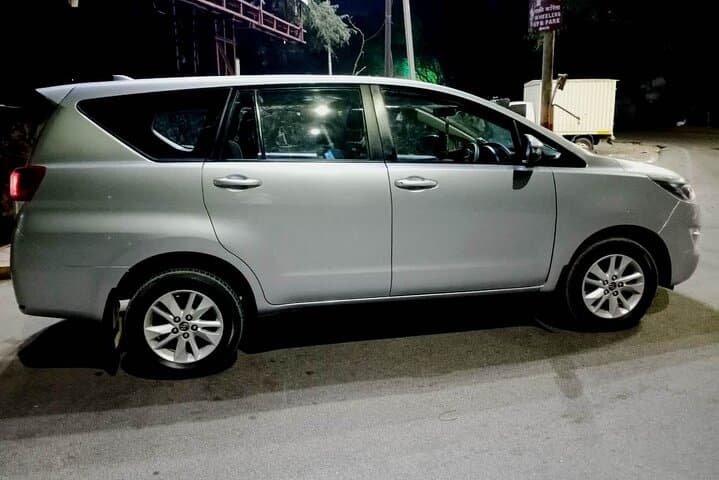


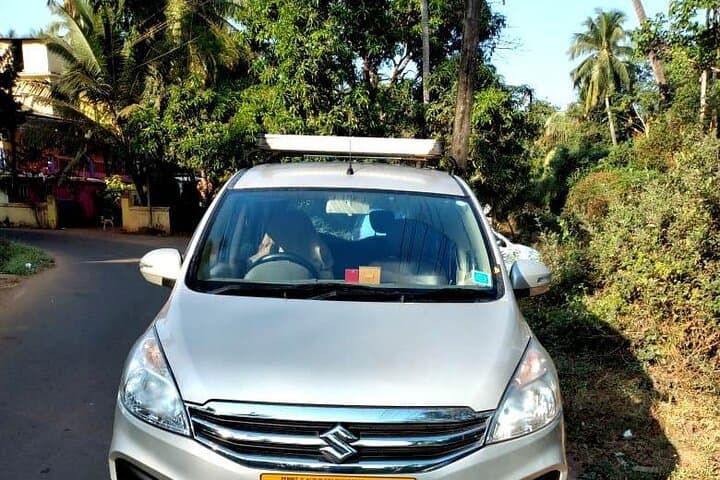
A morning in New Delhi loosens slowly: honking fades, an air‑conditioned sedan pulls away from the city’s concrete grip, and the plains open ahead. The drive toward Rishikesh slides past sugarcane fields, roadside temples, and the first low ridges of the Shivalik hills. As the road climbs, the Ganges reappears—loud and insistent—pushing travelers toward the pilgrimage town where yoga mats and river rafters converge.
A morning in New Delhi loosens slowly: honking fades, an air‑conditioned sedan pulls away from the city’s concrete grip, and the plains open ahead. The drive toward Rishikesh slides past sugarcane fields, roadside temples, and the first low ridges of the Shivalik hills. As the road climbs, the Ganges reappears—loud and insistent—pushing travelers toward the pilgrimage town where yoga mats and river rafters converge.
Rishikesh has been a spiritual crossroads for centuries; sages and sadhus chose these riverbanks for ritual and retreat. Geologically, the Shivalik range marks the outer foothills of the Himalaya, a young belt of folded sandstone and conglomerates that gives way to steeper terrain north of town. Culturally, the town blends Hindu pilgrimage culture with a growing adventure scene—whitewater rafting, trekking and ashram life sit side by side.
Practically, a private AC transfer covers the roughly 240–280 km route in about 6–7 hours depending on traffic. Expect highway stretches punctuated by small towns and checkpoints; stops for tea and toilets are easy to arrange with a private driver. Cars are sanitized between trips and drivers typically follow basic safety and hygiene protocols.
Timing matters: depart early to avoid Delhi and Meerut rush hours and to arrive in daylight for easier navigation of narrow lanes in Rishikesh. Pack water, a light layer, and motion‑comfort aids for the winding final miles. With a private transfer, travelers trade the unpredictability of buses for door‑to‑door convenience—useful for first‑time visitors, families, and anyone carrying gear for adventure on the Ganges.