THE ADVENTURE COLLECTIVE® · Independent discovery and booking for outdoor travel

See the Taj Mahal without changing hotels: a private round-trip from Delhi gives you guided access to the mausoleum and Agra Fort in a single day. Expect long drives, timed entry, and focused sightseeing with local context.
See the Taj Mahal without changing hotels: a private round-trip from Delhi gives you guided access to the mausoleum and Agra Fort in a single day. Expect long drives, timed entry, and focused sightseeing with local context.
You arrive before the sun breaks the horizon, the highway blurring past as the city gives way to fields and the Yamuna’s broad ribbon. By mid-morning the white of the Taj Mahal rises ahead, its marble catching light like a held breath; the air smells faintly of dust and fried street snacks, and guides move with practiced calm through the ticket lines.
Verified experiences and guided adventures in the surrounding area.
Operated by Trek India Tours · Agra, Uttar Pradesh
You arrive before the sun breaks the horizon, the highway blurring past as the city gives way to fields and the Yamuna’s broad ribbon. By mid-morning the white of the Taj Mahal rises ahead, its marble catching light like a held breath; the air smells faintly of dust and fried street snacks, and guides move with practiced calm through the ticket lines.
The Taj Mahal was commissioned by Mughal emperor Shah Jahan in 1632 as a mausoleum for Mumtaz Mahal; its white marble and inlaid pietra dura are classic Mughal craftsmanship. Nearby Agra Fort, a short drive away, tells a different chapter — fortified red sandstone where emperors planned courts and campaigns. The terrain between Delhi and Agra is flat Gangetic plain: long stretches of road, paddy fields, and small towns that give the day its changing soundtrack.
Practically, this trip is a long but manageable day: expect several hours driving round-trip, about 2–3 hours at the Taj for photos and walkthroughs, plus time at Agra Fort. Security screening, restricted areas, and footwear checkpoints are common; carry ID and your printed or mobile ticket. Hydrate on the road, wear sun protection and comfortable walking shoes with good traction for worn marble steps. Photography is welcome but note the monument’s closure on Fridays and rules against drones and some large tripods.
A same-day tour is ideal if you have limited time and want guided context without overnight logistics. It’s a concentrated, sensory-packed day—history up close, expansive river views, and the steady hum of regional life folding back into the capital by evening.
easy.
10 hours.
Suitable for average fitness — long periods sitting in a vehicle and moderate walking on uneven steps and marble surfaces.
This tour advertises the Taj Mahal admission ticket as included; confirm at booking and keep the mobile or printed ticket accessible.
The drive typically takes about 3–4 hours each way depending on traffic and your exact pickup location in Delhi.
The Taj Mahal is closed to general visitors on Fridays; plan the tour on another day or confirm availability before booking.
Many operators provide wheelchair-accessible transport and assistance, but check specific accessibility needs when booking to ensure arrangements are in place.
The Taj Mahal was built beginning in 1632 by Shah Jahan as a tomb for Mumtaz Mahal; Agra Fort served as a Mughal stronghold and royal residence before the capital moved to Delhi.
Visitor loads, air pollution, and nearby traffic are ongoing concerns; controlled entry times and conservation measures aim to protect marble and inlay work.
Trek India Tours operates guided outdoor trips and adventures with an emphasis on safety, stewardship, and memorable experiences.
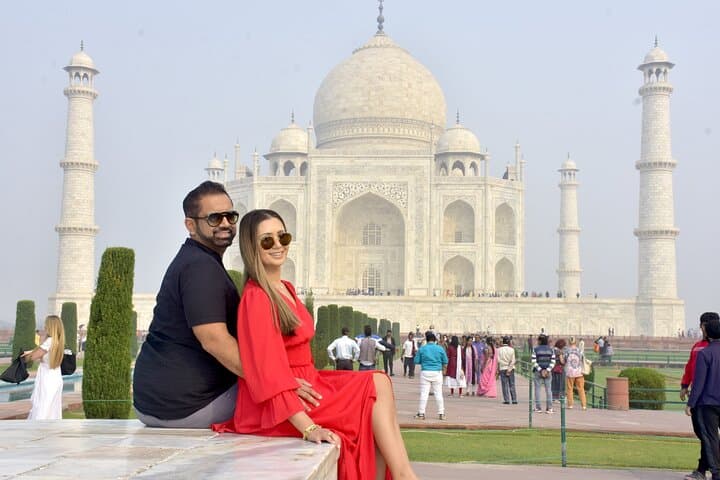
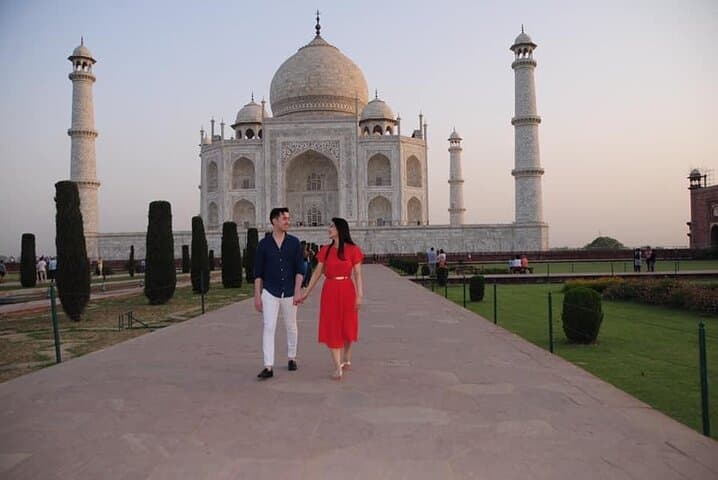
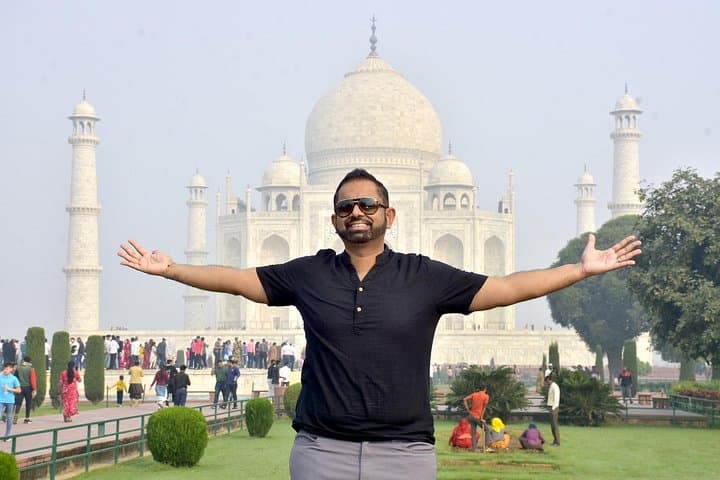

You arrive before the sun breaks the horizon, the highway blurring past as the city gives way to fields and the Yamuna’s broad ribbon. By mid-morning the white of the Taj Mahal rises ahead, its marble catching light like a held breath; the air smells faintly of dust and fried street snacks, and guides move with practiced calm through the ticket lines.
You arrive before the sun breaks the horizon, the highway blurring past as the city gives way to fields and the Yamuna’s broad ribbon. By mid-morning the white of the Taj Mahal rises ahead, its marble catching light like a held breath; the air smells faintly of dust and fried street snacks, and guides move with practiced calm through the ticket lines.
The Taj Mahal was commissioned by Mughal emperor Shah Jahan in 1632 as a mausoleum for Mumtaz Mahal; its white marble and inlaid pietra dura are classic Mughal craftsmanship. Nearby Agra Fort, a short drive away, tells a different chapter — fortified red sandstone where emperors planned courts and campaigns. The terrain between Delhi and Agra is flat Gangetic plain: long stretches of road, paddy fields, and small towns that give the day its changing soundtrack.
Practically, this trip is a long but manageable day: expect several hours driving round-trip, about 2–3 hours at the Taj for photos and walkthroughs, plus time at Agra Fort. Security screening, restricted areas, and footwear checkpoints are common; carry ID and your printed or mobile ticket. Hydrate on the road, wear sun protection and comfortable walking shoes with good traction for worn marble steps. Photography is welcome but note the monument’s closure on Fridays and rules against drones and some large tripods.
A same-day tour is ideal if you have limited time and want guided context without overnight logistics. It’s a concentrated, sensory-packed day—history up close, expansive river views, and the steady hum of regional life folding back into the capital by evening.