THE ADVENTURE COLLECTIVE® · Independent discovery and booking for outdoor travel

A full-day private tour from Delhi delivers the Taj Mahal, Agra Fort, and Mehtab Bagh with private transport, guide service, and lunch—perfect for travelers who want a targeted cultural day trip without the logistics.
A full-day private tour from Delhi delivers the Taj Mahal, Agra Fort, and Mehtab Bagh with private transport, guide service, and lunch—perfect for travelers who want a targeted cultural day trip without the logistics.
You step into the low light of early morning on the Yamuna Expressway, the city silhouette of Delhi receding as a private car pushes east. The road is smooth and fast; fields and small towns blur into a palpable anticipation. By 09:30 the white marble of the Taj Mahal appears on the horizon—its scale and symmetry hitting before the details reveal themselves.
Verified experiences and guided adventures in the surrounding area.
Operated by Delight Tours India · Agra, Uttar Pradesh
You step into the low light of early morning on the Yamuna Expressway, the city silhouette of Delhi receding as a private car pushes east. The road is smooth and fast; fields and small towns blur into a palpable anticipation. By 09:30 the white marble of the Taj Mahal appears on the horizon—its scale and symmetry hitting before the details reveal themselves.
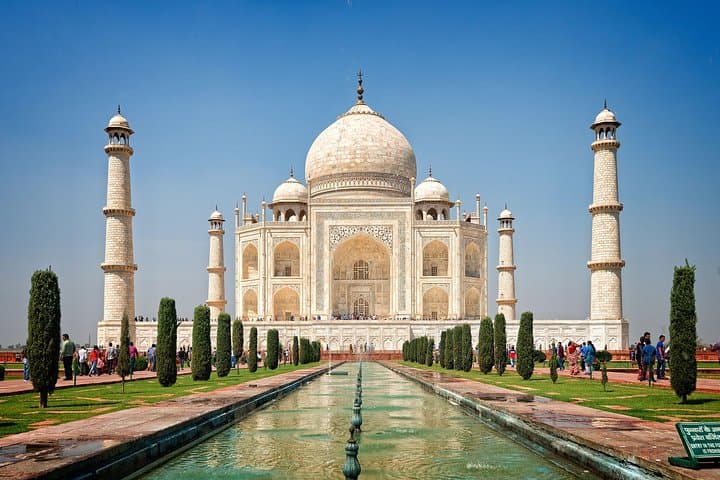
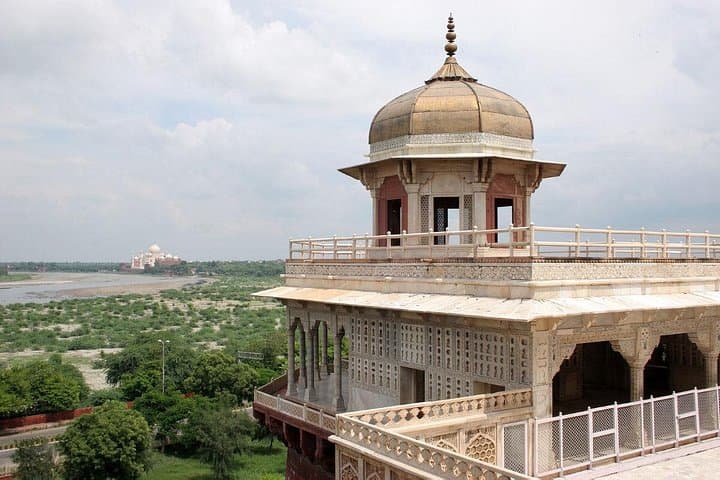
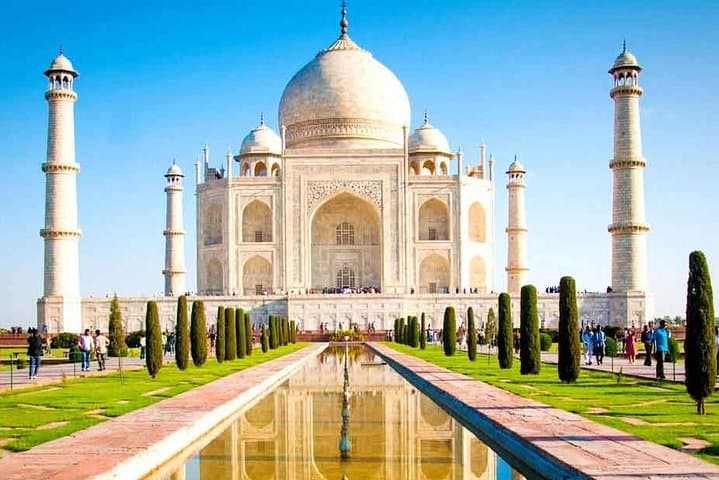
The Taj Mahal (completed 1653) and nearby Agra Fort (16th century) map a condensed history of Mughal power, artistry, and court life. The mausoleum’s Makrana marble plays with light—weathered micro-patterns and inlaid pietra dura that mix Persian and Indian motifs—while Agra Fort’s red sandstone walls fold into chambers, mosques, and defensive bastions that trace shifting imperial needs.
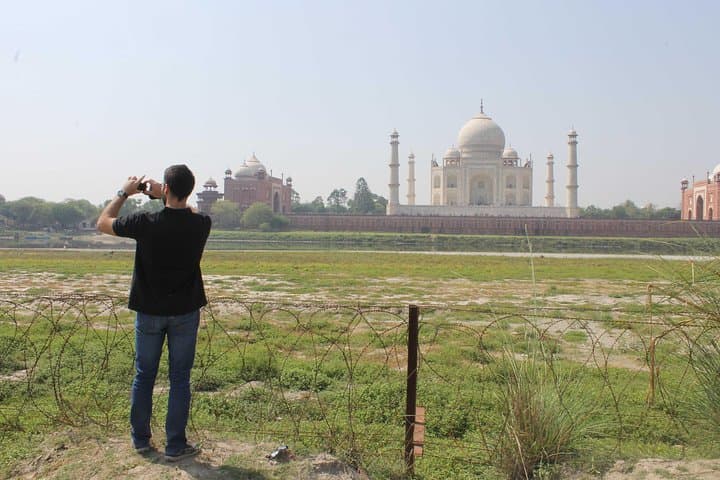
Culturally, the sites sit at the intersection of devotion, ambition, and tourism; Mehtab Bagh across the river offers a quieter frame for photography. Geologically the area is part of the Indo-Gangetic plain, with alluvial soils and the Yamuna river shaping the city’s layout.
Practically: this is a full-day, low-impact outing with moderate walking on paved and occasionally uneven surfaces. Expect security checks, timed entries, and guided narration if booked. Bring a government ID for tickets, dress modestly for religious sites, and plan for sun—mornings are cooler, afternoons can be hot.
If you’re traveling from Delhi, allow 10–12 hours for the round-trip schedule, including a lunch break at a hotel and short visits: roughly two hours at the Taj, one hour inside Agra Fort, and a quick stop at Mehtab Bagh. Early departures reduce crowds and make the marble glow best for photos.
easy.
10–12 hours.
Suitable for travelers in basic walking fitness; expect several hours of standing and short stair climbs.
Typical stops are up to 2 hours at the Taj Mahal and about 1 hour at Agra Fort; this tour schedules time for both plus lunch and transit.
Entrance fees are included only if that option is selected at booking; confirm with your operator when you reserve to avoid surprises.
The listing notes wheelchair accessibility for transport and major surfaces, but some historic areas have steps—check specifics with the operator in advance.
Photography is allowed in most external and garden areas; tripods and drones are typically restricted and flash may be limited inside certain spaces.
The Taj Mahal was commissioned by Mughal emperor Shah Jahan in the 17th century as a mausoleum for Mumtaz Mahal; Agra Fort predates and later housed the Mughal court.
High visitor numbers and air pollution are ongoing concerns; site managers enforce footwear and access rules and support conservation projects to limit wear on marble and inlaid stone.
Delight Tours India operates guided outdoor trips and adventures with an emphasis on safety, stewardship, and memorable experiences.
You step into the low light of early morning on the Yamuna Expressway, the city silhouette of Delhi receding as a private car pushes east. The road is smooth and fast; fields and small towns blur into a palpable anticipation. By 09:30 the white marble of the Taj Mahal appears on the horizon—its scale and symmetry hitting before the details reveal themselves.
You step into the low light of early morning on the Yamuna Expressway, the city silhouette of Delhi receding as a private car pushes east. The road is smooth and fast; fields and small towns blur into a palpable anticipation. By 09:30 the white marble of the Taj Mahal appears on the horizon—its scale and symmetry hitting before the details reveal themselves.
The Taj Mahal (completed 1653) and nearby Agra Fort (16th century) map a condensed history of Mughal power, artistry, and court life. The mausoleum’s Makrana marble plays with light—weathered micro-patterns and inlaid pietra dura that mix Persian and Indian motifs—while Agra Fort’s red sandstone walls fold into chambers, mosques, and defensive bastions that trace shifting imperial needs.
Culturally, the sites sit at the intersection of devotion, ambition, and tourism; Mehtab Bagh across the river offers a quieter frame for photography. Geologically the area is part of the Indo-Gangetic plain, with alluvial soils and the Yamuna river shaping the city’s layout.
Practically: this is a full-day, low-impact outing with moderate walking on paved and occasionally uneven surfaces. Expect security checks, timed entries, and guided narration if booked. Bring a government ID for tickets, dress modestly for religious sites, and plan for sun—mornings are cooler, afternoons can be hot.
If you’re traveling from Delhi, allow 10–12 hours for the round-trip schedule, including a lunch break at a hotel and short visits: roughly two hours at the Taj, one hour inside Agra Fort, and a quick stop at Mehtab Bagh. Early departures reduce crowds and make the marble glow best for photos.