THE ADVENTURE COLLECTIVE® · Independent discovery and booking for outdoor travel

Skip road traffic and spend more daylight at the Taj Mahal: this superfast train day trip from New Delhi pairs efficient rail travel with guided visits to the Taj, Agra Fort and I'timād‑ud‑Daulah. Practical tips on timing, ID, and what to pack keep the focus on the monuments.
Skip road traffic and spend more daylight at the Taj Mahal: this superfast train day trip from New Delhi pairs efficient rail travel with guided visits to the Taj, Agra Fort and I'timād‑ud‑Daulah. Practical tips on timing, ID, and what to pack keep the focus on the monuments.
The station hums with motion: an air‑conditioned superfast train glides in, doors sigh open, and you step aboard for a day measured in monuments and river views. By the time the Yamuna comes into sight the train has already saved you hours of highway traffic, leaving more daylight to walk the marble esplanade of the Taj Mahal.
Verified experiences and guided adventures in the surrounding area.
Operated by Trek India Tours · Agra, Uttar Pradesh
The station hums with motion: an air‑conditioned superfast train glides in, doors sigh open, and you step aboard for a day measured in monuments and river views. By the time the Yamuna comes into sight the train has already saved you hours of highway traffic, leaving more daylight to walk the marble esplanade of the Taj Mahal.
The Taj Mahal was commissioned in 1632 by Shah Jahan and remains one of the finest examples of Mughal stonework—white Makrana marble, delicate pietra dura inlay, and symmetrical gardens laid out on charbagh principles. Across the river, Mehtab Bagh’s gardens frame the mausoleum from a different angle, while Agra Fort’s ramparts of red sandstone tell the story of a capital moved and an empire in motion. The local craft culture—lapidary inlay and marble carving—threads markets and workshops near the monuments.
Practically, this full‑day itinerary pairs Delhi rail connections with guided stops: about two hours at the Taj, an hour at Agra Fort, and shorter visits to I'timād‑ud‑Daulah and a buffet lunch. Expect flat walking, paved paths, and multiple security checkpoints; shoes that slip on and off are convenient for shrine and monument protocols. Carry original ID (passport required for train booking), bottled water, sun protection, and modest clothing for respectful visits. Trains run to strict schedules, so punctual pickups and returns are essential.
The route is efficient, cultural, and low‑impact if you follow site rules: keep to marked paths, avoid flash photography where restricted, and choose licensed guides to deepen the visit while supporting local stewardship.
easy.
10–12 hours.
Light fitness; primarily flat walking with stairs at some monuments. Suitable for most travelers.
Yes—the superfast train ticket between Delhi and Agra (roundtrip) is included as part of this package.
The itinerary allocates about two hours at the Taj, which covers the main mausoleum, gardens and basic photography stops.
The operator lists wheelchair‑accessible transport and some accessible areas, but historic sites have uneven thresholds and limited access—notify the operator in advance for arrangements.
A buffet lunch is included in the tour; still bring snacks if you have special dietary needs.
The Taj Mahal (1632–1653) was commissioned by Shah Jahan as a mausoleum for Mumtaz Mahal; Agra Fort predates it and served as the Mughal administrative center until the capital moved to Delhi.
Air pollution and river health have long affected the Taj’s stonework; preservation measures and regulated visitor flows aim to limit direct wear and protect surrounding green spaces.
Trek India Tours operates guided outdoor trips and adventures with an emphasis on safety, stewardship, and memorable experiences.
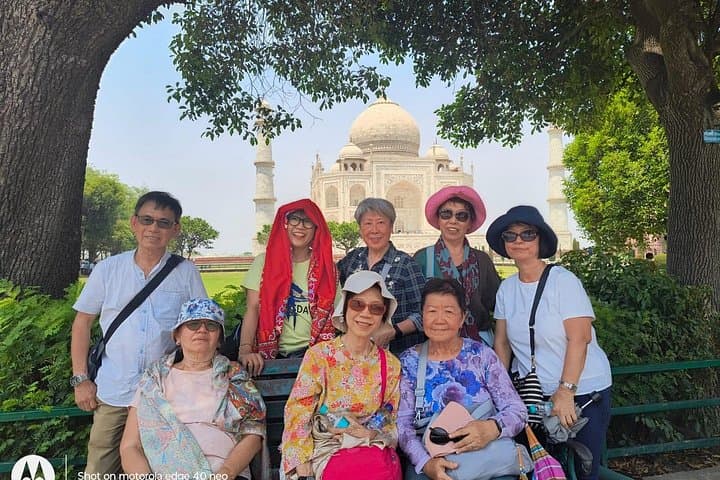
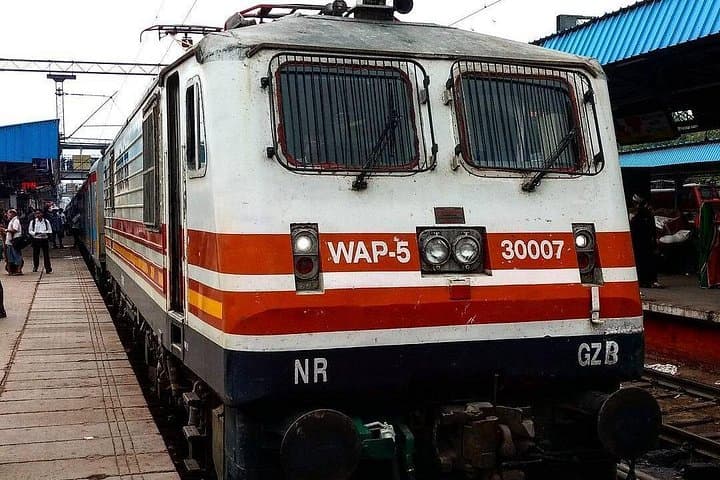
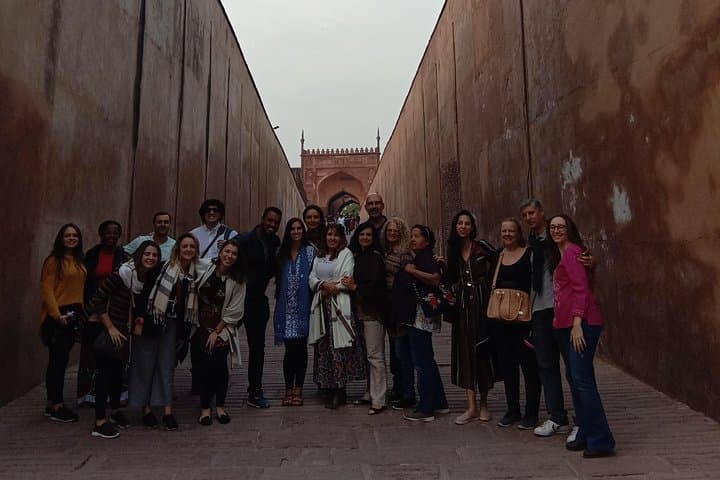
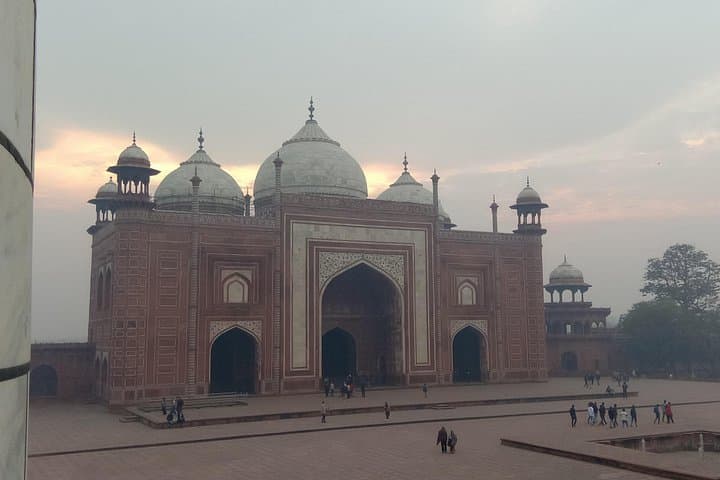
The station hums with motion: an air‑conditioned superfast train glides in, doors sigh open, and you step aboard for a day measured in monuments and river views. By the time the Yamuna comes into sight the train has already saved you hours of highway traffic, leaving more daylight to walk the marble esplanade of the Taj Mahal.
The station hums with motion: an air‑conditioned superfast train glides in, doors sigh open, and you step aboard for a day measured in monuments and river views. By the time the Yamuna comes into sight the train has already saved you hours of highway traffic, leaving more daylight to walk the marble esplanade of the Taj Mahal.
The Taj Mahal was commissioned in 1632 by Shah Jahan and remains one of the finest examples of Mughal stonework—white Makrana marble, delicate pietra dura inlay, and symmetrical gardens laid out on charbagh principles. Across the river, Mehtab Bagh’s gardens frame the mausoleum from a different angle, while Agra Fort’s ramparts of red sandstone tell the story of a capital moved and an empire in motion. The local craft culture—lapidary inlay and marble carving—threads markets and workshops near the monuments.
Practically, this full‑day itinerary pairs Delhi rail connections with guided stops: about two hours at the Taj, an hour at Agra Fort, and shorter visits to I'timād‑ud‑Daulah and a buffet lunch. Expect flat walking, paved paths, and multiple security checkpoints; shoes that slip on and off are convenient for shrine and monument protocols. Carry original ID (passport required for train booking), bottled water, sun protection, and modest clothing for respectful visits. Trains run to strict schedules, so punctual pickups and returns are essential.
The route is efficient, cultural, and low‑impact if you follow site rules: keep to marked paths, avoid flash photography where restricted, and choose licensed guides to deepen the visit while supporting local stewardship.