THE ADVENTURE COLLECTIVE® · Independent discovery and booking for outdoor travel

Move from New Delhi’s broad avenues to Old Delhi’s maze of alleys with a private guide and driver. This full‑day tour delivers Mughal monuments, colonial landmarks, and a tuk‑tuk ride through Chandni Chowk with practical tips for a smoother day.
Move from New Delhi’s broad avenues to Old Delhi’s maze of alleys with a private guide and driver. This full‑day tour delivers Mughal monuments, colonial landmarks, and a tuk‑tuk ride through Chandni Chowk with practical tips for a smoother day.
You step out of an air‑conditioned car into a city that moves with purpose — horns speaking faster than conversation, vendors arranging spices like color charts, and sandstone walls holding the heat of centuries.
Verified experiences and guided adventures in the surrounding area.
Operated by Raj Tour and Travel-Agra · New Delhi, Delhi
You step out of an air‑conditioned car into a city that moves with purpose — horns speaking faster than conversation, vendors arranging spices like color charts, and sandstone walls holding the heat of centuries.
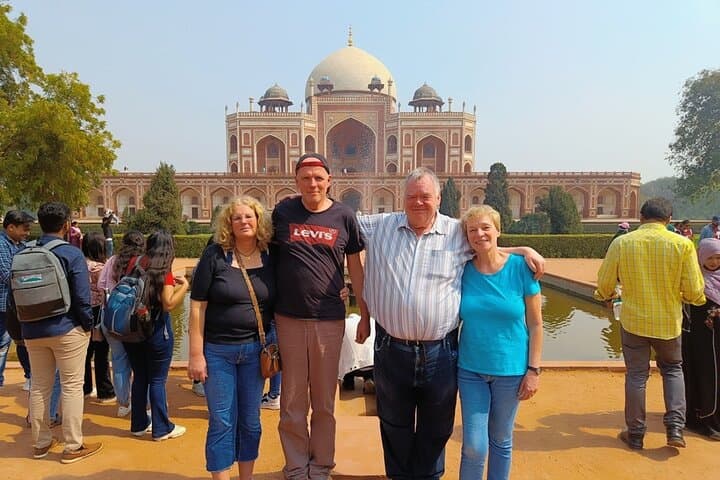
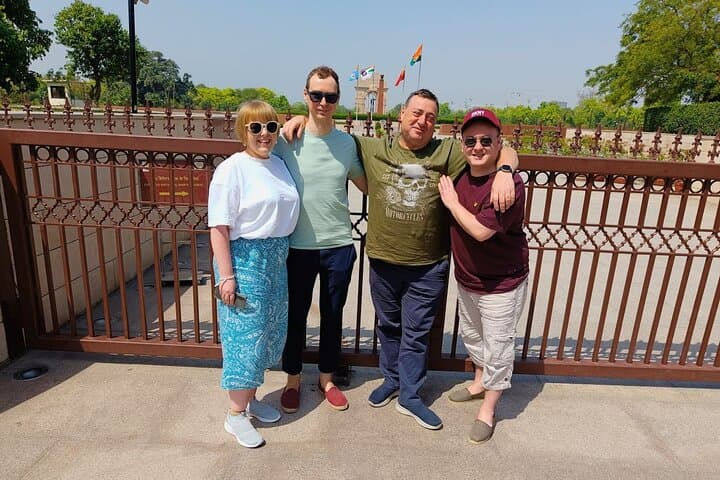
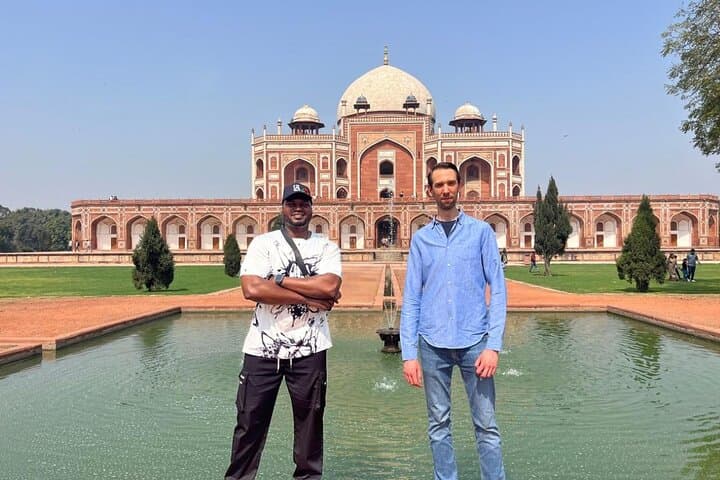
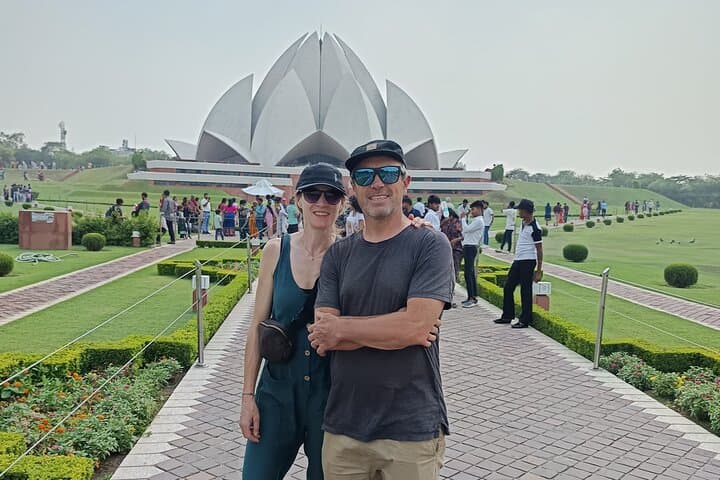
The day moves from Imperial avenues of New Delhi — India Gate, the circular sweep of Parliament, broad lawns — into the tight arteries of Old Delhi where the Red Fort stands like a carved memory. Humayun’s Tomb and the Lotus Temple mark different chapters: Mughal garden tomb architecture and a 20th‑century Bahá'í landmark built in concrete petals. Chandni Chowk’s lanes recall 17th‑century commerce; a tuk‑tuk ride through its alleys is the most efficient archaeology of modern life.
Geology here is subtle: the red sandstone and marble quarried for Mughal palaces came from nearby uplands, and the city’s layout reflects shifting powers — Mughal, colonial, and post‑independence planners. Cultural layers show in Sikh gurdwaras, mosques, colonial buildings and modern civic spaces.
Practically: this private tour runs about 7–8 hours with a guide and AC car, some monuments require tickets and modest dress. Expect walking on uneven courtyards and busy market pavements; mornings and late afternoons are cooler and friendlier for photography. Carry bottled water, wear closed shoes for temple and mosque courtyards, and plan for traffic between sites. If you want shorter time at markets, tell your guide to prioritize monuments or arrange entrance passes in advance. By day’s end you’ll have moved through Delhi’s architecture and rituals, and gained a practical map for further exploration.
easy.
7–8 hours.
Suitable for most travelers with basic mobility; light to moderate walking on uneven surfaces.
Some options include monument entrances if selected; otherwise entrances can be added on the day—confirm with your operator before departure.
Yes—pickup from Delhi, Noida, Gurugram, Ghaziabad or Faridabad is available; provide flight details at booking.
The Lotus Temple is closed on Mondays; plan your itinerary accordingly and visit other sites instead on that day.
The tour lists wheelchair‑accessible transportation and surfaces for many areas, but some historic sites have steps—notify the operator of mobility needs in advance.
Delhi’s urban fabric layers Mughal imperial planning, British colonial administrative design, and post‑independence civic projects; monuments like Humayun’s Tomb presaged later Mughal masterpieces.
High visitor numbers and urban pollution stress heritage sites; follow signage, avoid littering, and use tour operators who respect site capacity and local guidelines.
Raj Tour and Travel-Agra operates guided outdoor trips and adventures with an emphasis on safety, stewardship, and memorable experiences.
You step out of an air‑conditioned car into a city that moves with purpose — horns speaking faster than conversation, vendors arranging spices like color charts, and sandstone walls holding the heat of centuries.
You step out of an air‑conditioned car into a city that moves with purpose — horns speaking faster than conversation, vendors arranging spices like color charts, and sandstone walls holding the heat of centuries.
The day moves from Imperial avenues of New Delhi — India Gate, the circular sweep of Parliament, broad lawns — into the tight arteries of Old Delhi where the Red Fort stands like a carved memory. Humayun’s Tomb and the Lotus Temple mark different chapters: Mughal garden tomb architecture and a 20th‑century Bahá'í landmark built in concrete petals. Chandni Chowk’s lanes recall 17th‑century commerce; a tuk‑tuk ride through its alleys is the most efficient archaeology of modern life.
Geology here is subtle: the red sandstone and marble quarried for Mughal palaces came from nearby uplands, and the city’s layout reflects shifting powers — Mughal, colonial, and post‑independence planners. Cultural layers show in Sikh gurdwaras, mosques, colonial buildings and modern civic spaces.
Practically: this private tour runs about 7–8 hours with a guide and AC car, some monuments require tickets and modest dress. Expect walking on uneven courtyards and busy market pavements; mornings and late afternoons are cooler and friendlier for photography. Carry bottled water, wear closed shoes for temple and mosque courtyards, and plan for traffic between sites. If you want shorter time at markets, tell your guide to prioritize monuments or arrange entrance passes in advance. By day’s end you’ll have moved through Delhi’s architecture and rituals, and gained a practical map for further exploration.