THE ADVENTURE COLLECTIVE® · Independent discovery and booking for outdoor travel

Trace Delhi’s food history on a 4.5-hour guided walk from Mughal lanes of Old Delhi to the colonial avenues of New Delhi. Expect iconic street eats, historical context, and practical tips for navigating crowded bazaars.
Trace Delhi’s food history on a 4.5-hour guided walk from Mughal lanes of Old Delhi to the colonial avenues of New Delhi. Expect iconic street eats, historical context, and practical tips for navigating crowded bazaars.
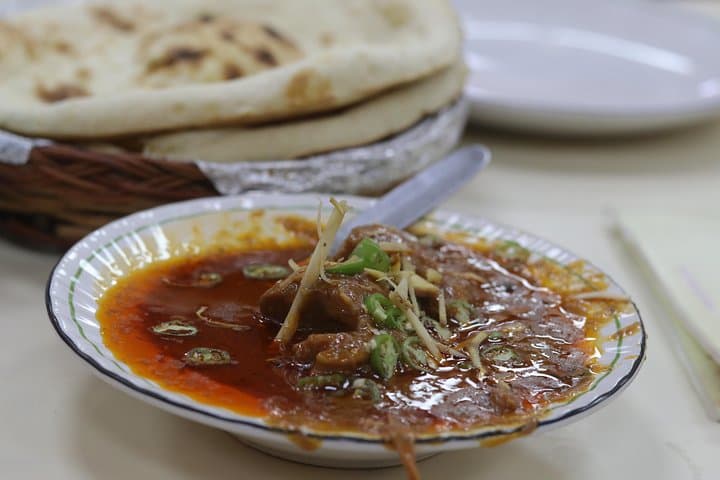
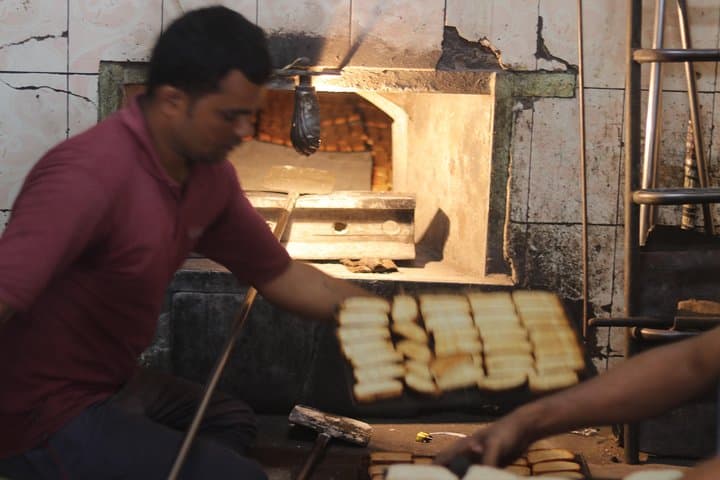
You step off the air-conditioned vehicle into a lane where cardamom steam and charred flatbread collide—Old Delhi’s alleys daring you to follow the scent. The tour threads past Jama Masjid’s sandstone shadow, through narrow market streets where vendors call and the Red Fort looms like a reminder of imperial appetites. New Delhi arrives later as broad avenues and colonial-era cafés that tell a different chapter: tea carts, Anglo-Indian influences and partition-era recipes reinvented on street corners.
Verified experiences and guided adventures in the surrounding area.
Operated by No Footprints · New Delhi, Delhi
You step off the air-conditioned vehicle into a lane where cardamom steam and charred flatbread collide—Old Delhi’s alleys daring you to follow the scent. The tour threads past Jama Masjid’s sandstone shadow, through narrow market streets where vendors call and the Red Fort looms like a reminder of imperial appetites. New Delhi arrives later as broad avenues and colonial-era cafés that tell a different chapter: tea carts, Anglo-Indian influences and partition-era recipes reinvented on street corners.
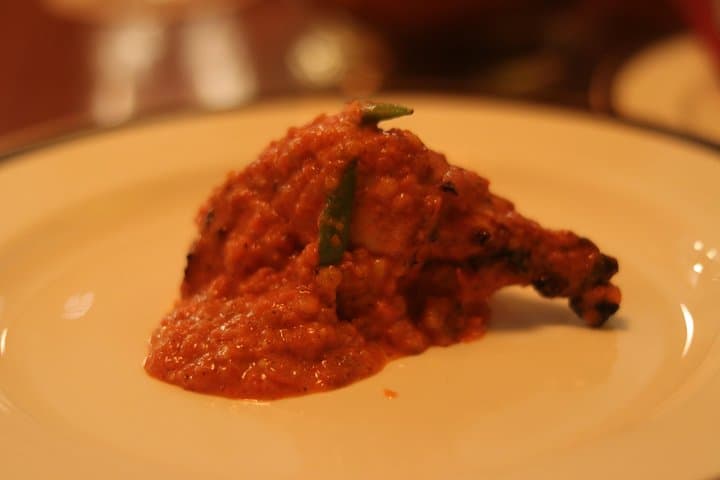
Historically the route traces Shahjahanabad’s Mughal kitchens—rich gravies, layered breads and ceremonial sweets—then moves into the British and post-Partition layers that remixed taste, technique and supply. Geologically this is the flat alluvial plain of the Yamuna basin; the uniform landscape magnified human settlement patterns that concentrated markets and eateries into dense urban pockets.
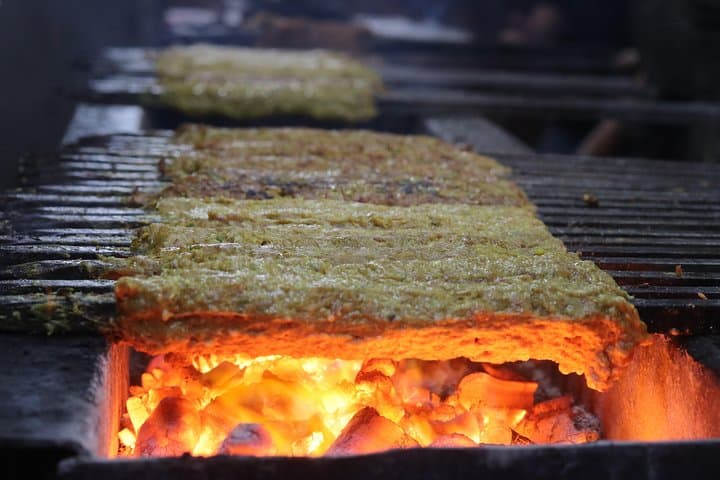
Culturally the walk is as much about community as cuisine: Muslim, Hindu and Punjabi culinary lineages meet in a spoonful of chaat or a slow-roasted kebab. Local guides narrate recipes as living archives and flag dishes shaped by migration, trade and colonial tastes.
Practical guidance: arrive hungry and wear breathable shoes—expect uneven stone, tight crowds and stairways inside historic bazaars. Carry small denominations of cash, flag dietary restrictions in advance, and plan for a morning or late-afternoon start to avoid Delhi’s midday heat. Sip bottled water between stops, and keep a wet wipe handy—this is hands-on eating amid real kitchens rather than sanitized tasting rooms. The result is a walkable history lesson that tastes like the city itself: bold, layered, and unmistakably local.
moderate.
4–5 hours.
Moderate; you should be comfortable walking 2–4 miles over mixed urban terrain and standing at food stalls.
Yes; the tour includes a variety of snacks, dinner portions at select stops, tea/coffee and bottled water as listed by the operator.
This particular itinerary is noted as not recommended for vegetarians—contact the operator in advance for alternatives or a customized route.
Expect moderate walking spread across narrow lanes and open streets for about 2–4 miles total; there are some stairs and crowded sections but no technical terrain.
Full refund is available if canceled at least 24 hours before the scheduled departure; the operator may cancel for weather and will notify guests in advance.
The route begins in 17th-century Shahjahanabad—Old Delhi—whose Mughal-era courts shaped ceremonial cuisine, then moves through British colonial precincts and Partition-era immigrant kitchens that redefined local foodways.
Support local vendors by buying responsibly, refuse single-use plastics where possible, and avoid encouraging feeding of wildlife; mindful tourism helps protect both street food culture and urban environments.
No Footprints operates guided outdoor trips and adventures with an emphasis on safety, stewardship, and memorable experiences.
You step off the air-conditioned vehicle into a lane where cardamom steam and charred flatbread collide—Old Delhi’s alleys daring you to follow the scent. The tour threads past Jama Masjid’s sandstone shadow, through narrow market streets where vendors call and the Red Fort looms like a reminder of imperial appetites. New Delhi arrives later as broad avenues and colonial-era cafés that tell a different chapter: tea carts, Anglo-Indian influences and partition-era recipes reinvented on street corners.
You step off the air-conditioned vehicle into a lane where cardamom steam and charred flatbread collide—Old Delhi’s alleys daring you to follow the scent. The tour threads past Jama Masjid’s sandstone shadow, through narrow market streets where vendors call and the Red Fort looms like a reminder of imperial appetites. New Delhi arrives later as broad avenues and colonial-era cafés that tell a different chapter: tea carts, Anglo-Indian influences and partition-era recipes reinvented on street corners.
Historically the route traces Shahjahanabad’s Mughal kitchens—rich gravies, layered breads and ceremonial sweets—then moves into the British and post-Partition layers that remixed taste, technique and supply. Geologically this is the flat alluvial plain of the Yamuna basin; the uniform landscape magnified human settlement patterns that concentrated markets and eateries into dense urban pockets.
Culturally the walk is as much about community as cuisine: Muslim, Hindu and Punjabi culinary lineages meet in a spoonful of chaat or a slow-roasted kebab. Local guides narrate recipes as living archives and flag dishes shaped by migration, trade and colonial tastes.
Practical guidance: arrive hungry and wear breathable shoes—expect uneven stone, tight crowds and stairways inside historic bazaars. Carry small denominations of cash, flag dietary restrictions in advance, and plan for a morning or late-afternoon start to avoid Delhi’s midday heat. Sip bottled water between stops, and keep a wet wipe handy—this is hands-on eating amid real kitchens rather than sanitized tasting rooms. The result is a walkable history lesson that tastes like the city itself: bold, layered, and unmistakably local.