THE ADVENTURE COLLECTIVE® · Independent discovery and booking for outdoor travel

Cross the Palk Strait to an island of wide beaches, roaming wild horses and a legendary baobab tree. This 4–5 hour guided loop combines shallow coral landscapes, Dutch-era ruins and intimate encounters with local fishing culture.
Cross the Palk Strait to an island of wide beaches, roaming wild horses and a legendary baobab tree. This 4–5 hour guided loop combines shallow coral landscapes, Dutch-era ruins and intimate encounters with local fishing culture.
The boat eases away from the Jaffna pier and the Palk Strait opens like a bright, moving plain; salt wind pushes at your jacket and the island grows from the horizon—low, flat, edged in sand. On Delft Island the air feels older, filled with the creak of wooden carts, the distant cry of seabirds, and the soft clatter of horses on coral rock.
Verified experiences and guided adventures in the surrounding area.
Operated by Arckaa Tours, Tuk and Boating Delft Island · Neduntheevu (Delft Island), Northern Province
The boat eases away from the Jaffna pier and the Palk Strait opens like a bright, moving plain; salt wind pushes at your jacket and the island grows from the horizon—low, flat, edged in sand. On Delft Island the air feels older, filled with the creak of wooden carts, the distant cry of seabirds, and the soft clatter of horses on coral rock.
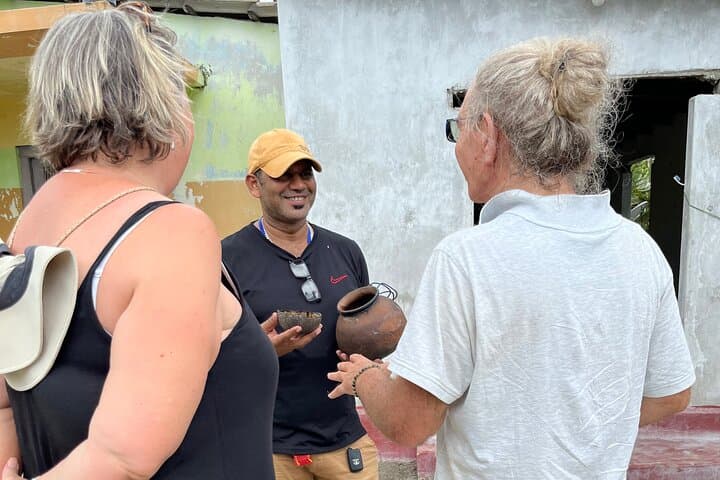
This guided circuit traces layers of history: Portuguese and Dutch colonial ruins, a centuries-old African baobab planted by traders, and village layouts that reflect Tamil fishing traditions. Geologically Delft is an uplifted coral island—limestone and sand shaped by wind and sea—so expect wide, flat surfaces, exposed rock, and shallow reefs offshore. Culture here is quietly present: fishermen mend nets by hand, elders greet visitors, and local crafts are simple, practical, and tied to the ocean.
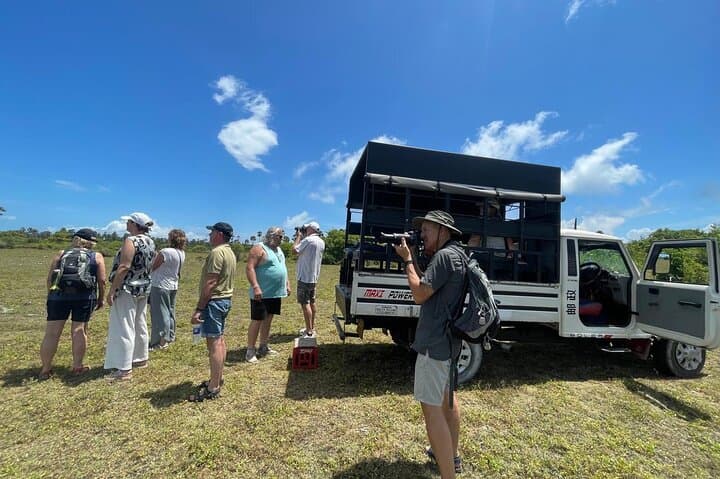
Practical guidance is straightforward. The trip is a 4–5 hour, mostly flat outing with short walks between beaches, ruins, and village stops—no technical hiking required but sun and salt demand respect. Bring sun protection, plenty of water, and shoes that handle sand and sharp coral. The boat crossing can be choppy; request life jackets and check weather before departure. Photography rewards patience: horses roam open plains, and ruined facades frame long light. Be mindful in villages—ask before photographing people and accept local hospitality with modesty.
A guided tour like this balances natural curiosity and cultural sensitivity: you’ll leave with clear views of history, a pocket of local stories, and the smell of sea still on your clothes.
easy.
4–5 hours.
Suitable for most fitness levels; requires short, flat walks and boarding a small boat—not recommended for people with spinal or serious heart issues.
The excursion runs about 4–5 hours and includes a boat transfer, guided island loop visiting the baobab tree, Dutch ruins, beaches and village stops; bottled water is provided.
The Palk Strait can be choppy; travelers prone to seasickness should take medication beforehand and request a seat with less motion near the boat’s center.
Horses are semi-feral; observe from a respectful distance and follow guide instructions—do not feed or attempt to ride them for safety and conservation reasons.
Facilities are basic and limited; expect simple village toilets and plan accordingly—bring hand sanitizer and biodegradable toilet paper if needed.
Delft (Neduntheevu) served as a small colonial outpost; the island’s baobab tree and Dutch-era masonry reflect centuries of trade and European occupation.
The island’s fragile coral and limited freshwater resources demand low-impact visitation—avoid walking on live reef, pack out trash, and follow local waste practices.
Arckaa Tours, Tuk and Boating Delft Island operates guided outdoor trips and adventures with an emphasis on safety, stewardship, and memorable experiences.
The boat eases away from the Jaffna pier and the Palk Strait opens like a bright, moving plain; salt wind pushes at your jacket and the island grows from the horizon—low, flat, edged in sand. On Delft Island the air feels older, filled with the creak of wooden carts, the distant cry of seabirds, and the soft clatter of horses on coral rock.
The boat eases away from the Jaffna pier and the Palk Strait opens like a bright, moving plain; salt wind pushes at your jacket and the island grows from the horizon—low, flat, edged in sand. On Delft Island the air feels older, filled with the creak of wooden carts, the distant cry of seabirds, and the soft clatter of horses on coral rock.
This guided circuit traces layers of history: Portuguese and Dutch colonial ruins, a centuries-old African baobab planted by traders, and village layouts that reflect Tamil fishing traditions. Geologically Delft is an uplifted coral island—limestone and sand shaped by wind and sea—so expect wide, flat surfaces, exposed rock, and shallow reefs offshore. Culture here is quietly present: fishermen mend nets by hand, elders greet visitors, and local crafts are simple, practical, and tied to the ocean.
Practical guidance is straightforward. The trip is a 4–5 hour, mostly flat outing with short walks between beaches, ruins, and village stops—no technical hiking required but sun and salt demand respect. Bring sun protection, plenty of water, and shoes that handle sand and sharp coral. The boat crossing can be choppy; request life jackets and check weather before departure. Photography rewards patience: horses roam open plains, and ruined facades frame long light. Be mindful in villages—ask before photographing people and accept local hospitality with modesty.
A guided tour like this balances natural curiosity and cultural sensitivity: you’ll leave with clear views of history, a pocket of local stories, and the smell of sea still on your clothes.