THE ADVENTURE COLLECTIVE® · Independent discovery and booking for outdoor travel

Explore Delft’s canals, churches, and hidden courtyards at your own pace with a GPS-driven audio guide. This two-hour self-guided route highlights Vermeer’s city, William of Orange’s history, and the craftsmanship behind Delftware.
Explore Delft’s canals, churches, and hidden courtyards at your own pace with a GPS-driven audio guide. This two-hour self-guided route highlights Vermeer’s city, William of Orange’s history, and the craftsmanship behind Delftware.
Stepping off a tram and into Delft feels like opening a map where canals keep time and church bells mark the hours. The city’s narrow streets guide you past blue-painted pottery shops, weathered brick façades, and courtyards that have sheltered residents for centuries. A self-guided audio and GPS tour lets the city speak at its own pace — lanes reveal Vermeer’s light, squares recall gunpowder and governance, and quiet courtyards offer private moments amid public history.
Verified experiences and guided adventures in the surrounding area.
Operated by Niki Your TravelBuddy · Delft, South Holland
Stepping off a tram and into Delft feels like opening a map where canals keep time and church bells mark the hours. The city’s narrow streets guide you past blue-painted pottery shops, weathered brick façades, and courtyards that have sheltered residents for centuries. A self-guided audio and GPS tour lets the city speak at its own pace — lanes reveal Vermeer’s light, squares recall gunpowder and governance, and quiet courtyards offer private moments amid public history.
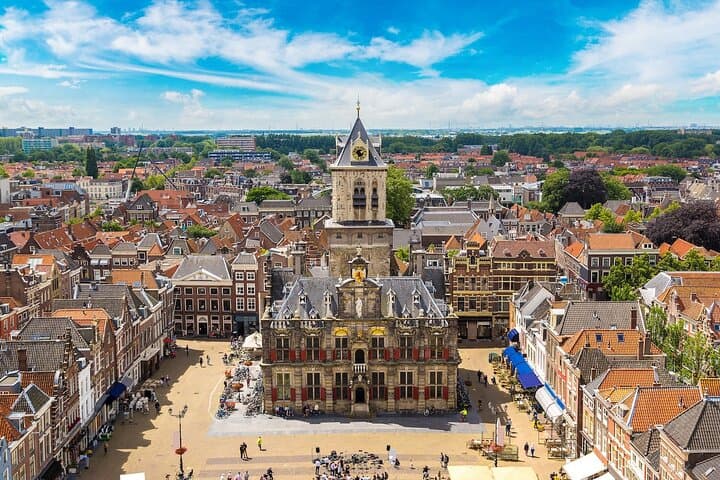
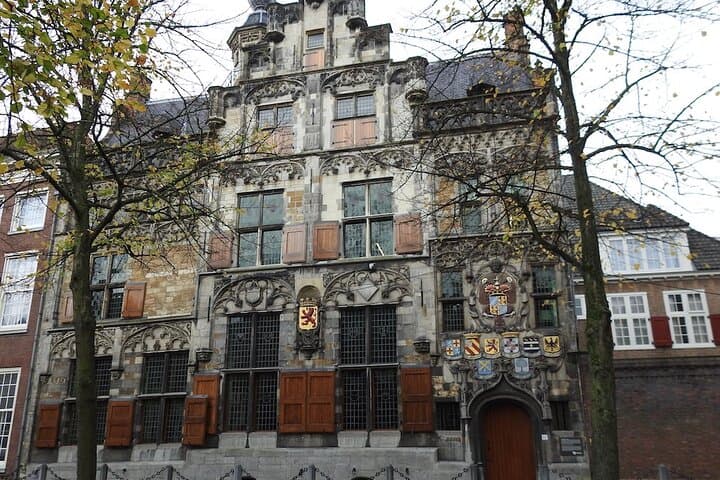
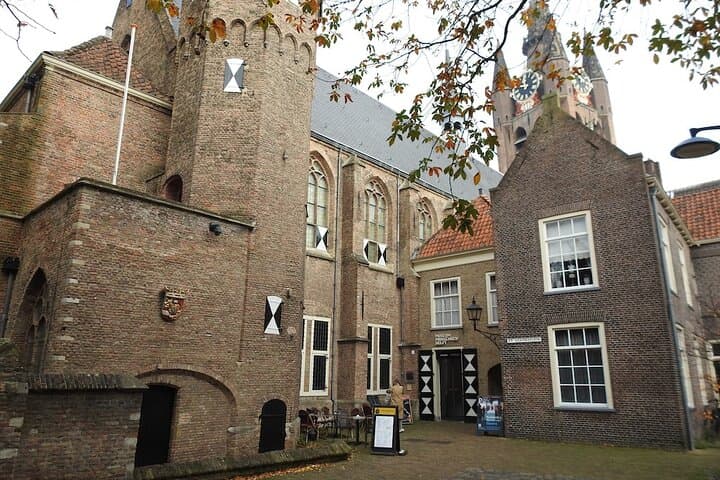
Delft grew around medieval trade routes and the fertile clay of the Rhine-Meuse delta that later produced the distinctive Delftware. Its landmarks chart national stories: the Prinsenhof, where William of Orange fell in 1584; the Nieuwe Kerk with its soaring tower; and the civic Koornbeurs that hints at the town’s commercial past. The city’s architecture blends Gothic, Dutch Renaissance, and 17th-century Golden Age townhouses, while canal edges and cobbles narrate everyday life.
Practical guidance: the two-hour route is flat and fully wheelchair accessible, but cobbles and occasional wet stones call for sturdy shoes and steady pacing. Use quality headphones for clear narration, keep a portable charger for the GPS app, and schedule the walk early morning or late afternoon to avoid bike traffic and midday crowds. Public transit links are frequent from The Hague or Rotterdam, making Delft an easy half-day excursion. Respect hofjes (courtyards) and private gardens — they’re working heritage, not photo sets. The tour is ideal for history-minded travelers who prefer independent exploration with local context at their own tempo.
easy.
2 hours.
Suitable for most fitness levels; requires standing and walking on cobbles for up to two hours.
It’s a self-guided tour delivered via an audio app with GPS; travelers follow the route and narration at their own pace.
Yes — the itinerary notes wheelchair accessibility, though some historic ground surfaces may be uneven.
Audio language options vary by provider; check the app before your tour to select your preferred language.
Yes — as a self-guided GPS tour you can begin when it suits your schedule, though official refund rules apply if booking.
Delft was a commercial and cultural hub in the Dutch Golden Age; it’s the hometown of painter Johannes Vermeer and the site where William of Orange was assassinated in 1584 at the Prinsenhof.
Canal health depends on community care — avoid littering and keep to designated walkways; respect private hofjes to preserve these historic living spaces.
Niki Your TravelBuddy operates guided outdoor trips and adventures with an emphasis on safety, stewardship, and memorable experiences.

Stepping off a tram and into Delft feels like opening a map where canals keep time and church bells mark the hours. The city’s narrow streets guide you past blue-painted pottery shops, weathered brick façades, and courtyards that have sheltered residents for centuries. A self-guided audio and GPS tour lets the city speak at its own pace — lanes reveal Vermeer’s light, squares recall gunpowder and governance, and quiet courtyards offer private moments amid public history.
Stepping off a tram and into Delft feels like opening a map where canals keep time and church bells mark the hours. The city’s narrow streets guide you past blue-painted pottery shops, weathered brick façades, and courtyards that have sheltered residents for centuries. A self-guided audio and GPS tour lets the city speak at its own pace — lanes reveal Vermeer’s light, squares recall gunpowder and governance, and quiet courtyards offer private moments amid public history.
Delft grew around medieval trade routes and the fertile clay of the Rhine-Meuse delta that later produced the distinctive Delftware. Its landmarks chart national stories: the Prinsenhof, where William of Orange fell in 1584; the Nieuwe Kerk with its soaring tower; and the civic Koornbeurs that hints at the town’s commercial past. The city’s architecture blends Gothic, Dutch Renaissance, and 17th-century Golden Age townhouses, while canal edges and cobbles narrate everyday life.
Practical guidance: the two-hour route is flat and fully wheelchair accessible, but cobbles and occasional wet stones call for sturdy shoes and steady pacing. Use quality headphones for clear narration, keep a portable charger for the GPS app, and schedule the walk early morning or late afternoon to avoid bike traffic and midday crowds. Public transit links are frequent from The Hague or Rotterdam, making Delft an easy half-day excursion. Respect hofjes (courtyards) and private gardens — they’re working heritage, not photo sets. The tour is ideal for history-minded travelers who prefer independent exploration with local context at their own tempo.