THE ADVENTURE COLLECTIVE® · Independent discovery and booking for outdoor travel

Take a self-guided e-scavenger hunt through Delft’s canals, churches, and ceramic shops. Play at your pace on a smartphone app — ideal for families and groups who want a flexible, informative city game.
Take a self-guided e-scavenger hunt through Delft’s canals, churches, and ceramic shops. Play at your pace on a smartphone app — ideal for families and groups who want a flexible, informative city game.
You step onto a cobbled square and the canals answer with a mirror of brick and sky — the city seems to dare you to look closer.
Verified experiences and guided adventures in the surrounding area.
Operated by Qula · Delft, South Holland
You step onto a cobbled square and the canals answer with a mirror of brick and sky — the city seems to dare you to look closer.
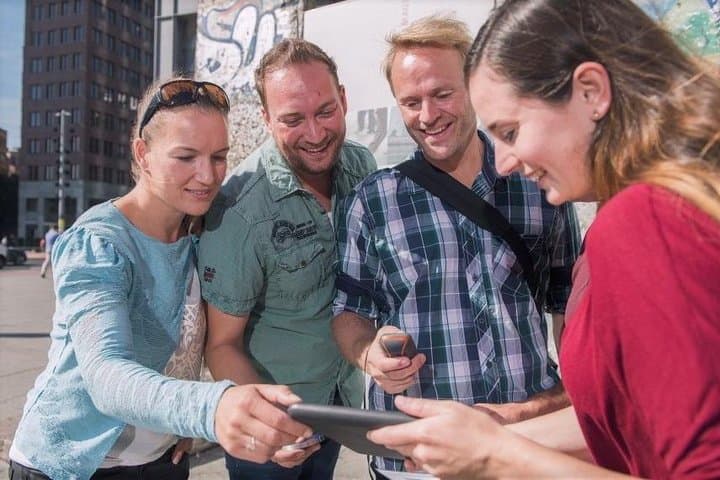
This e-scavenger hunt uses your phone to nudge you through Delft’s historic streets: from the Markt and its towering New Church to hidden courtyards off the main axis. The app points toward squares, canals, and monuments while testing observation and local knowledge with riddles and tasks.
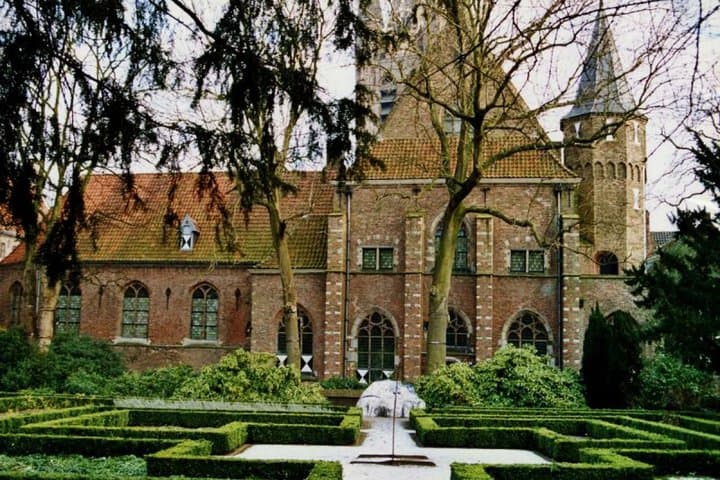
Delft’s story is visible in its 17th-century façades and blue-delftware legacy. The low-lying clay plains and reclaimed polders shaped the city’s compact street grid; wind and water directed trade and craft here for centuries. Cultural threads run through the lessons too — from artists like Vermeer to the pottery studios that kept Delft’s ceramics tradition alive.
Expect a gentle urban walk across mostly flat, paved surfaces with short bursts of climbing for stairs into museums or lookouts. The trail is family-friendly and wheelchair accessible, available in multiple languages, and runs on your schedule — start, pause, and resume as you like within the usual 2–3 hour window.
Practical tips: bring weather-proof layers for Holland’s fickle skies, comfortable shoes for cobbles, and a pocket charger — the game leans on GPS and your phone’s battery. Aim for morning or late afternoon to avoid peak crowds in the Markt, and allow extra time if you want to pop into a canal-side café or Delftware shop. This is a low-impact, high-engagement way to learn the city’s layout and stories while competing with friends or family for the top score.
easy.
2–3 hours.
Suitable for most fitness levels; mostly flat walking with brief stair sections
The booking covers a group of 2–6 people playing together on one device or multiple devices as desired.
No — the trail is self-guided and available 24/7; you choose when to begin after receiving login instructions by email.
Yes — the activity is listed as wheelchair accessible and follows paved, largely flat routes, though some historic spots may have steps.
The trail is offered in multiple languages, commonly including English, German, French, Dutch, Spanish, and Italian.
Delft rose to prominence in the 17th century as a center for trade, painting, and pottery — its blue-and-white Delftware and ties to artists like Vermeer shaped its cultural identity.
The city encourages low-impact tourism around its historic core; staying on paved paths and respecting waterways helps preserve fragile canal banks and heritage sites.
Qula operates guided outdoor trips and adventures with an emphasis on safety, stewardship, and memorable experiences.

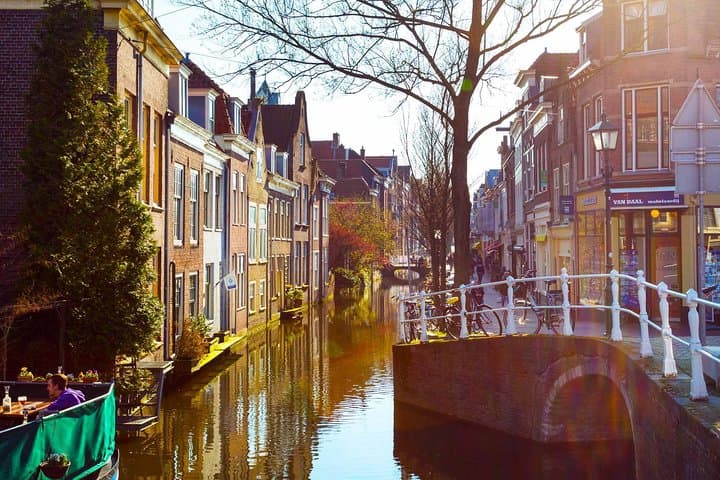
You step onto a cobbled square and the canals answer with a mirror of brick and sky — the city seems to dare you to look closer.
You step onto a cobbled square and the canals answer with a mirror of brick and sky — the city seems to dare you to look closer.
This e-scavenger hunt uses your phone to nudge you through Delft’s historic streets: from the Markt and its towering New Church to hidden courtyards off the main axis. The app points toward squares, canals, and monuments while testing observation and local knowledge with riddles and tasks.
Delft’s story is visible in its 17th-century façades and blue-delftware legacy. The low-lying clay plains and reclaimed polders shaped the city’s compact street grid; wind and water directed trade and craft here for centuries. Cultural threads run through the lessons too — from artists like Vermeer to the pottery studios that kept Delft’s ceramics tradition alive.
Expect a gentle urban walk across mostly flat, paved surfaces with short bursts of climbing for stairs into museums or lookouts. The trail is family-friendly and wheelchair accessible, available in multiple languages, and runs on your schedule — start, pause, and resume as you like within the usual 2–3 hour window.
Practical tips: bring weather-proof layers for Holland’s fickle skies, comfortable shoes for cobbles, and a pocket charger — the game leans on GPS and your phone’s battery. Aim for morning or late afternoon to avoid peak crowds in the Markt, and allow extra time if you want to pop into a canal-side café or Delftware shop. This is a low-impact, high-engagement way to learn the city’s layout and stories while competing with friends or family for the top score.