THE ADVENTURE COLLECTIVE® · Independent discovery and booking for outdoor travel

Learn to roast, grind and brew Mexican coffee in an intimate Cancún workshop that pairs hands-on technique with cultural context. Roast green beans, test grinds, and leave with tasting notes and a certificate.
Learn to roast, grind and brew Mexican coffee in an intimate Cancún workshop that pairs hands-on technique with cultural context. Roast green beans, test grinds, and leave with tasting notes and a certificate.
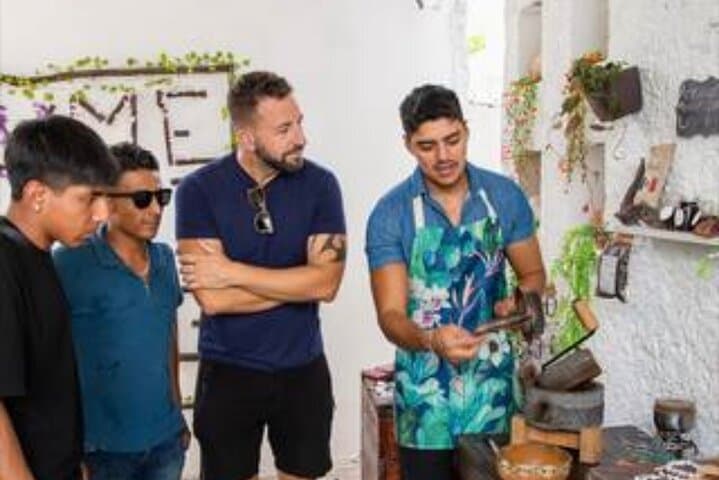
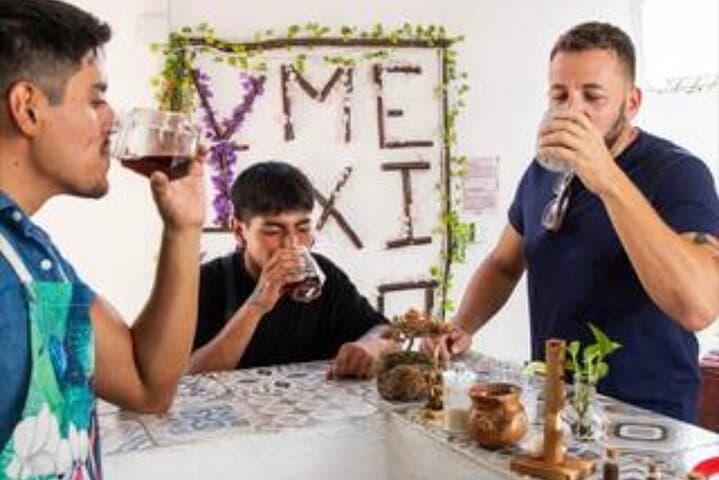
You step into a sun-warmed courtyard in Cancún, the air threaded with citrus and a faint trace of fresh roast. A burlap sack of green beans sits on a wooden table; the instructor gestures to a small tabletop roaster and the sound of the first crack begins to puncture the afternoon. The session moves deliberately—handheld tools, measured heat, quick smells—until a dark, fragrant cup laps at your senses.
Verified experiences and guided adventures in the surrounding area.
Operated by Hacer tortillas a mano siguiendo la tradición mexicana · Cancun, Quintana Roo
You step into a sun-warmed courtyard in Cancún, the air threaded with citrus and a faint trace of fresh roast. A burlap sack of green beans sits on a wooden table; the instructor gestures to a small tabletop roaster and the sound of the first crack begins to puncture the afternoon. The session moves deliberately—handheld tools, measured heat, quick smells—until a dark, fragrant cup laps at your senses.
This workshop links local life in Quintana Roo to coffee grown farther inland. While Cancún itself is carved from limestone and coastal lagoon, the beans come from Chiapas’ highlands—volcanic soils that give Mexican coffee its acidity and depth. Coffee in southern Mexico carries Mayan echoes: not a native crop, but adopted into ritual and trade over centuries, shaping regional cuisine and family traditions.
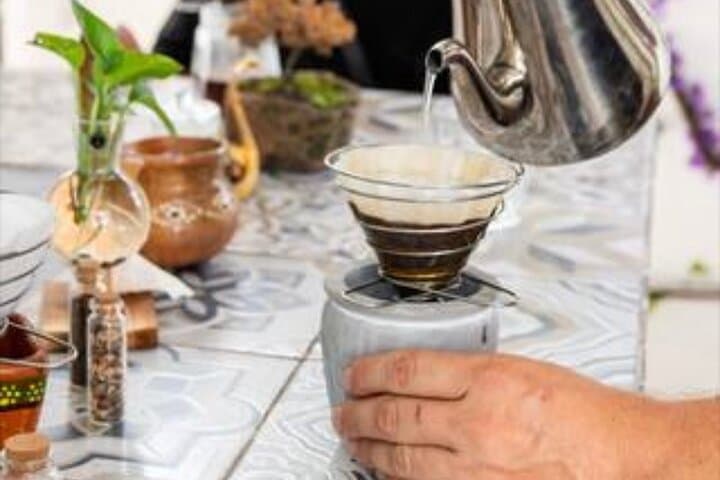
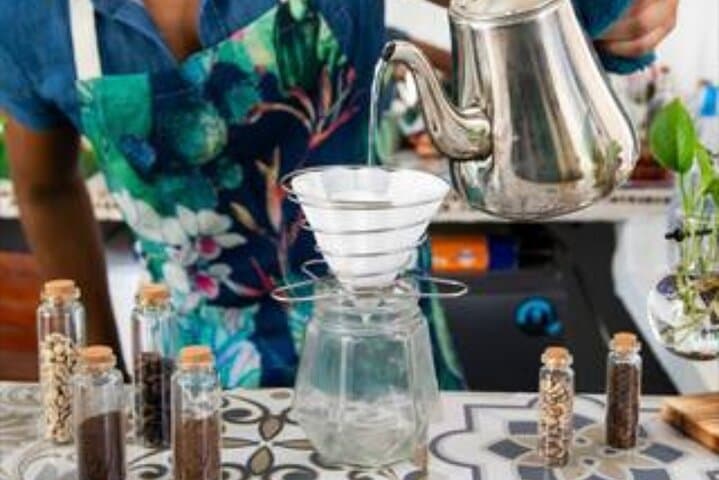
Expect a focused, tactile hour: you’ll roast a small batch of green beans, grind to several coarseness levels, and brew with a drip filter while learning about roast profiles, extraction, and regional differences. The instructor shares family recipes and offers a certificate and a small gift at the end.
Practical notes: the class lasts about 60 minutes and accommodates small groups; a credit card pre-booking holds your spot with a small on-site balance. Wear closed-toe shoes for standing around the roaster and bring a bottle of water—the process is warm and hands-on. If you want to recreate the method at home, ask for grind settings and bean origin details before you leave.
easy.
1 hour.
No special fitness required; ability to stand for the session and handle small equipment is sufficient
The session runs about 60 minutes, covering roasting, grinding, and a drip brewing demonstration.
Total price is approximately $25 per person (a small booking fee plus an on-site payment of around $20). Confirm current rates when booking.
Children can attend but adult supervision is recommended due to hot equipment; verify any age restrictions when booking.
Yes — the activity listing notes wheelchair accessibility and stroller-friendly spaces; contact the operator with specific needs.
Coffee in southern Mexico, especially Chiapas, expanded under 19th–20th century plantation systems; local producers now emphasize family farms and regional varietals tied to Mayan-influenced communities.
Ask about bean origin and choose shade-grown or certified regional coffees when possible; small workshops often support direct-sourced beans and local producers.
Hacer tortillas a mano siguiendo la tradición mexicana operates guided outdoor trips and adventures with an emphasis on safety, stewardship, and memorable experiences.
You step into a sun-warmed courtyard in Cancún, the air threaded with citrus and a faint trace of fresh roast. A burlap sack of green beans sits on a wooden table; the instructor gestures to a small tabletop roaster and the sound of the first crack begins to puncture the afternoon. The session moves deliberately—handheld tools, measured heat, quick smells—until a dark, fragrant cup laps at your senses.
You step into a sun-warmed courtyard in Cancún, the air threaded with citrus and a faint trace of fresh roast. A burlap sack of green beans sits on a wooden table; the instructor gestures to a small tabletop roaster and the sound of the first crack begins to puncture the afternoon. The session moves deliberately—handheld tools, measured heat, quick smells—until a dark, fragrant cup laps at your senses.
This workshop links local life in Quintana Roo to coffee grown farther inland. While Cancún itself is carved from limestone and coastal lagoon, the beans come from Chiapas’ highlands—volcanic soils that give Mexican coffee its acidity and depth. Coffee in southern Mexico carries Mayan echoes: not a native crop, but adopted into ritual and trade over centuries, shaping regional cuisine and family traditions.
Expect a focused, tactile hour: you’ll roast a small batch of green beans, grind to several coarseness levels, and brew with a drip filter while learning about roast profiles, extraction, and regional differences. The instructor shares family recipes and offers a certificate and a small gift at the end.
Practical notes: the class lasts about 60 minutes and accommodates small groups; a credit card pre-booking holds your spot with a small on-site balance. Wear closed-toe shoes for standing around the roaster and bring a bottle of water—the process is warm and hands-on. If you want to recreate the method at home, ask for grind settings and bean origin details before you leave.